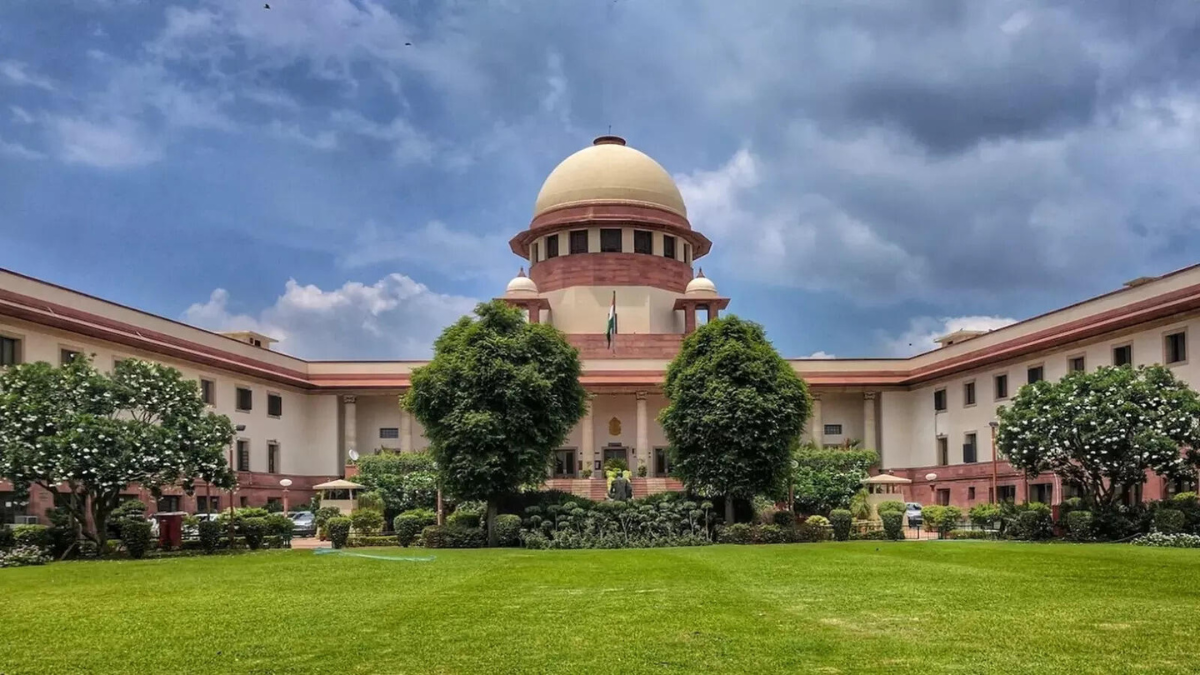


The Lucknow bench of the Allahabad High Court has invalidated criminal proceedings against a school owner under the SC/ST (Prevention of Atrocities) Act, emphasizing that trial under the Act is applicable only if casteist remarks occur at a "place within public view."
In response to an educationist's petition challenging criminal charges for allegedly hurling casteist abuse at a student's father, Justice Shamim Ahmed stated that verbal abuse within the confines of a private space, without an audience, does not constitute an offense under the Scheduled Castes and the Scheduled Tribes (Prevention of Atrocities) Act, 1989.
The court clarified that an individual can face trial under Section 3(1)(s) of the SC/ST Act only if the utterances are made in a "place within public view." This ruling came in the context of quashing a case against a school owner accused of offering a bribe to a parent to withdraw protests against his son's Class 12 examination results and allegedly abusing him by mentioning his caste.
The complainant asserted that the abuse occurred in private, within his residence. The court noted that the complainant provided no details about the nature of the abuse and emphasized that an offense under the SC/ST Act arises when a member of the vulnerable community faces indignities, humiliations, or harassment within public view.
The court also highlighted the absence of independent witnesses who supported the complainant's case, as they were not present during the alleged incident in the complainant's house. It concluded that, as per the complainant's own statements, the incident did not occur in public view.
The court further noted that the responsibility for students' results and examinations lies solely with the CBSE, and the accused (school owner) has no involvement in the process. This decision aligns with various Supreme Court judgments on similar cases.
(With Agency Inputs)
Read also| Madhya Pradesh's New CM Enforces Regulation on Loudspeaker Use in Religious Places
Read also| India Criticizes OIC's Remarks on Article 370 as 'Ill-Informed and Ill-Intended'