

United States-based Time Magazine on Wednesday released its list of 100 most influential people of 2021 which included Prime Minister Narendra Modi, West Bengal Chief Minister Mamata Banerjee, and SII CEO Adar Poonawalla.
The flagship list is posted annually and generally consists of influential people from different fields and backgrounds. The list is divided into 6 major categories, Pioneer, Artist, Leader, Icon, Titan, and Innovator and further includes US President Joe Biden, Vice President Kamala Harris, Chinese President Xi Jinping, Duke and Duchess of Sussex Prince Harry and Meghan, and former US President Donald Trump.
Interestingly, Taliban co-founder Mullah Abdul Ghani Baradar was also put on the list.
Also Read | Offences against states down by 26% in 2020: NCRB data
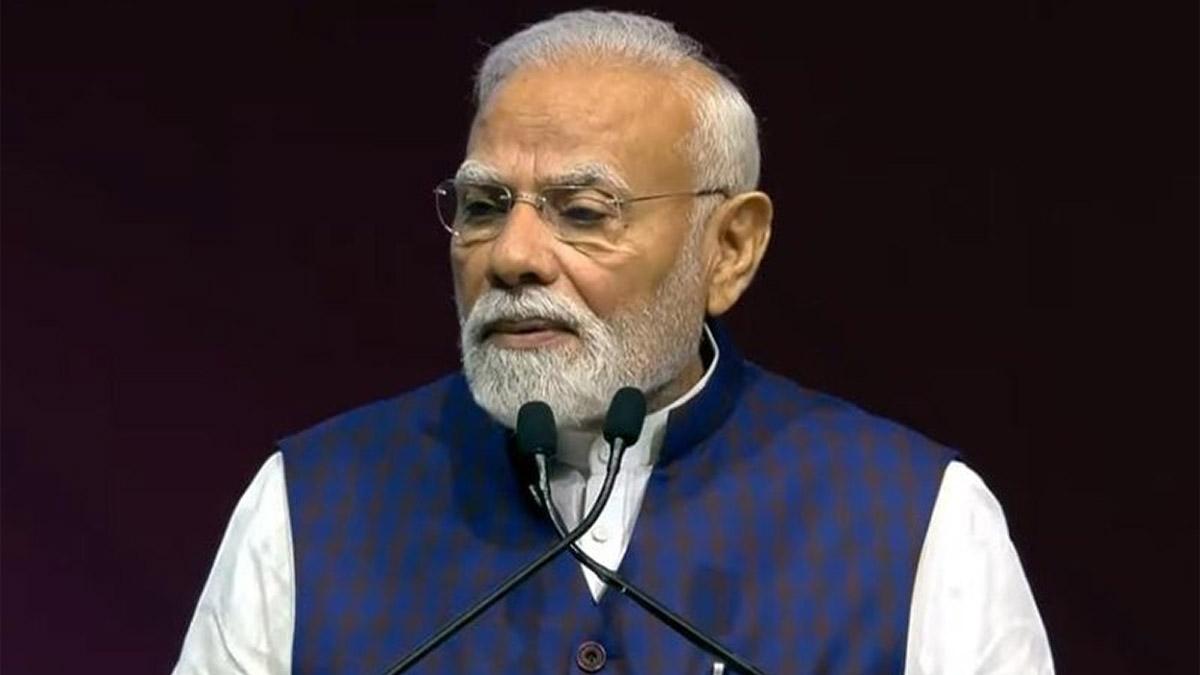
PM Modi’s excerpt was written by Indian-American journalist Fareed Zakaria, who said that Modi has moved India away from its socialist past into a capitalist future but has also pushed it away from secularism.
"When he was elected, many believed that Modi would finally move India off its socialist past and into a capitalist future. He’s done some of that but more determinedly, he has pushed the country away from secularism and toward Hindu nationalism," Zakaria said.
"Two international think tanks concluded this year that under his watch, India has veered away from democracy, toward what V-Dem Institute calls electoral autocracy," he added.
Also Read | Kashmiris killing Kashmiris evokes resentment against Pak, militants
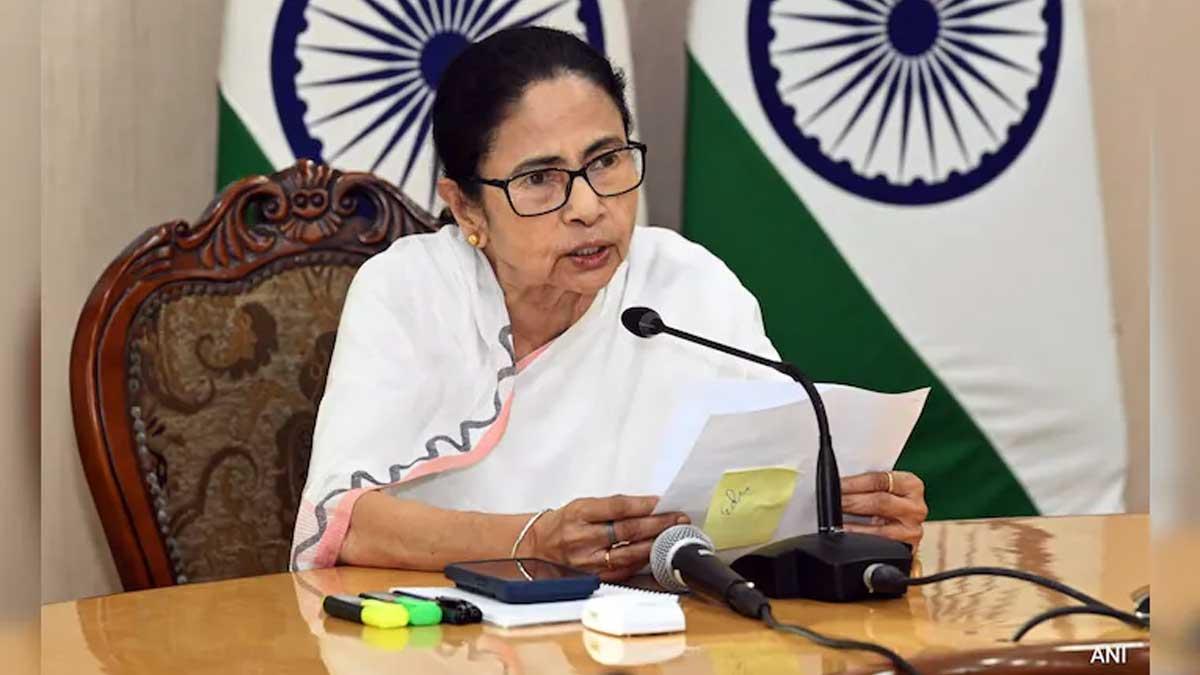
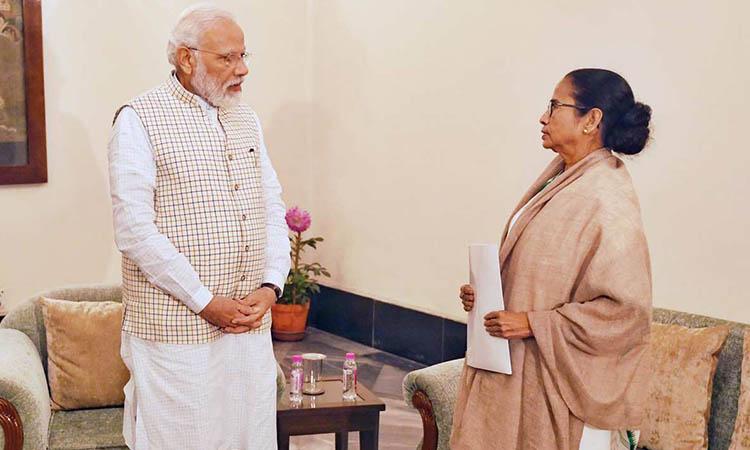
Meanwhile, Mamata Banerjee’s description was written by Barkha Dutt who said that Mamata stood like a fortress in front of Narendra Modi during the 2021 Assembly elections.
"On May 2, she stood like a fortress against the expansionist ambition of Narendra Modi, a seemingly invincible Prime Minister, when she retained her role of chief minister of West Bengal in the state’s assembly elections, despite the money and men of the ruling Bharatiya Janata Party," Dutt wrote.
"Unlike many other women in Indian politics, Mamata has never been framed as someone’s wife, mother, daughter or partner. She rose from abject poverty—working once as a stenographer and a milk-booth vendor to support her family," she adds.
Serum Institute of India Chief Executive Officer Adar Poonawalla was also put on the list whose description excerpt was written by journalist Abhishyant Kidangoor.
"Poonawalla told me in March he didn’t want to 'have regrets when history judges my actions. "But over the course of this year, a series of issues—a fire at his plant in Pune, India; trouble securing necessary raw materials; and a vaccine export ban amid India’s second wave of COVID-19—slowed his ambitions, and left many countries scrambling to find other sources of the vaccine,” he said.
"The pandemic is not over yet, and Poonawalla could still help end it. Vaccine inequality is stark, and delayed immunization in one part of the world can have global consequences—including the risk of more dangerous variants emerging," he further wrote.