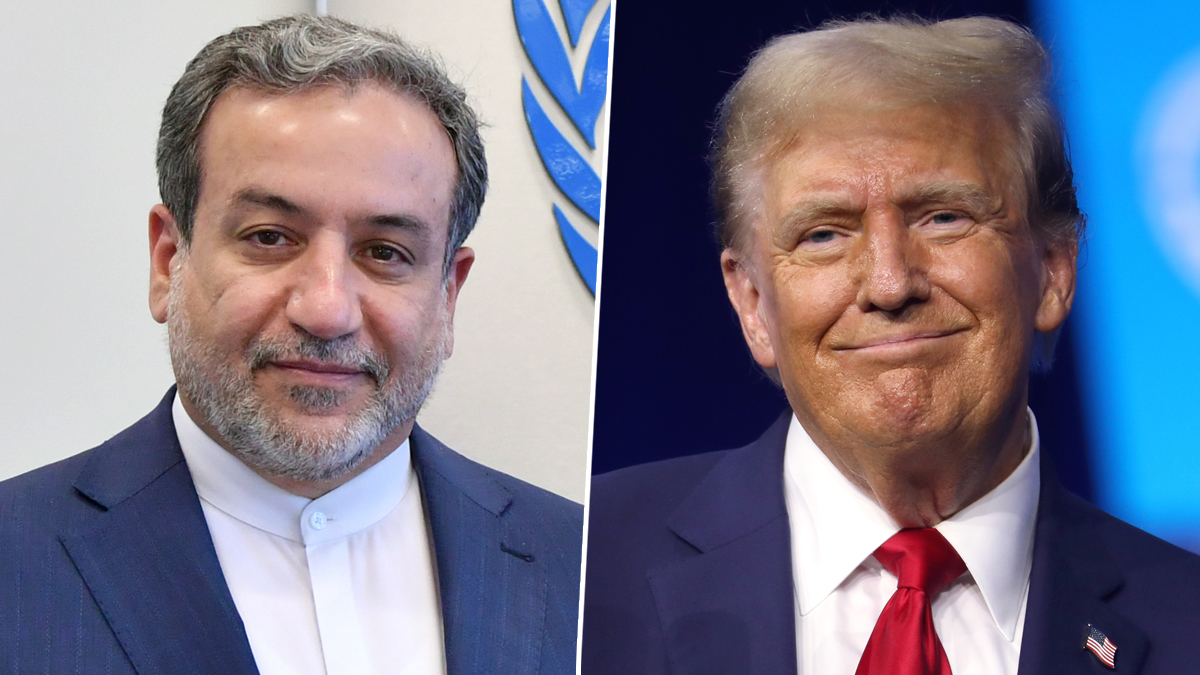


Iran has rejected US President Donald Trump's proposal to impose a 20 per cent charge on all cargo moving through the Strait of Hormuz, with Foreign Minister Seyed Abbas Araghchi insisting that Iran—not the United States—has long been responsible for safeguarding the strategic waterway.
In a post on X, Araghchi responded directly to Trump's proposal by writing, "POTUS is absolutely right. Whoever provides secure and safe passage of commercial vessels through the Strait of Hormuz should be compensated for this service. Iran has always been the GUARDIAN of the Strait and will remain so FOREVER."
He also criticised the scale of the proposed levy, saying, "20 per cent is of course too much. We will be fair."
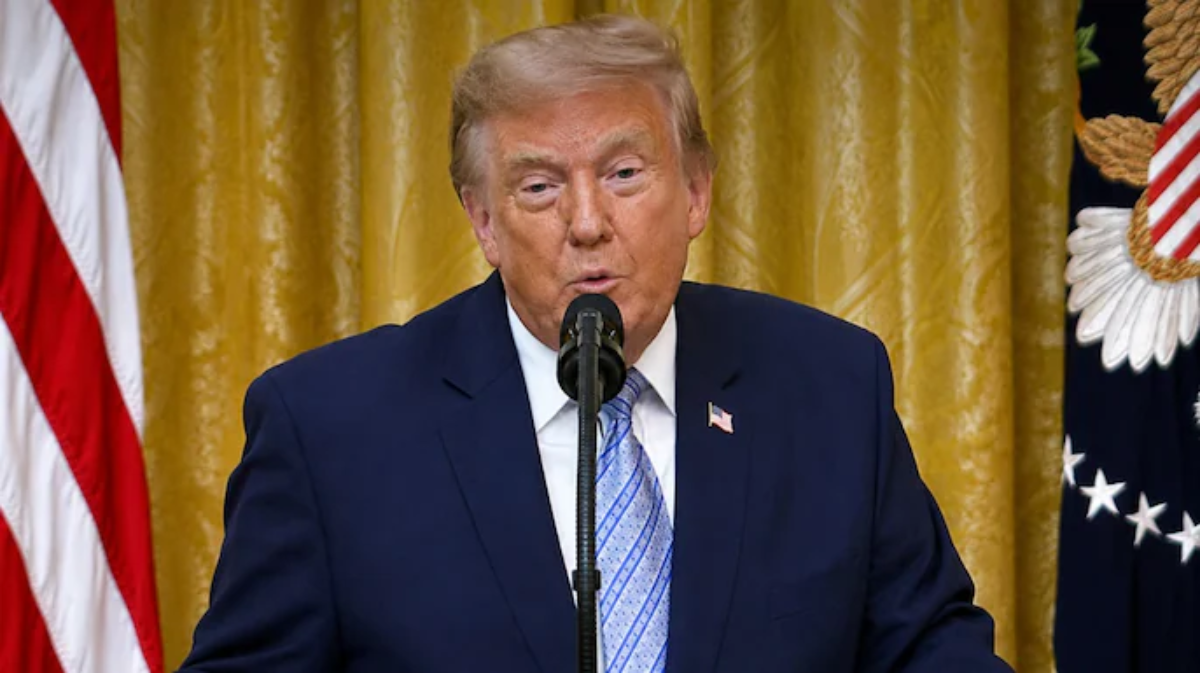
His remarks came after Trump outlined his plan on his Truth Social platform, where he declared that the United States would assume responsibility for securing the Strait of Hormuz while charging commercial shipping for the service.
"The USA will be, from this point forward, known as 'THE GUARDIAN OF THE HORMUZ STRAIT,' but as such, and as a matter of FAIRNESS, will be reimbursed, at the rate of 20 per cent on all cargo shipped, for any and all costs necessary to do the job of providing safety and security to this very volatile section of the World. The process and formation will begin immediately," he wrote.
Trump also maintained that the waterway would remain open, while characterising the US action as the restoration of a blockade directed specifically at Iran. Shortly afterwards, the US Army announced that it would "resume blockading maritime traffic entering and exiting Iranian ports on July 14 at 4 pm ET."
"US forces will enforce the blockade against vessels transiting to or from Iranian ports and coastal areas," CENTCOM, the official account of US Central Command, posted on X.
"All mariners are advised to monitor Notice to Mariners broadcasts and contact US naval forces on bridge-to-bridge channel 16 when operating in the Gulf of Oman and Strait of Hormuz approaches," it added.
The earlier blockade had remained in force from April 13 until June 18 before being lifted following an interim agreement between Washington and Tehran.
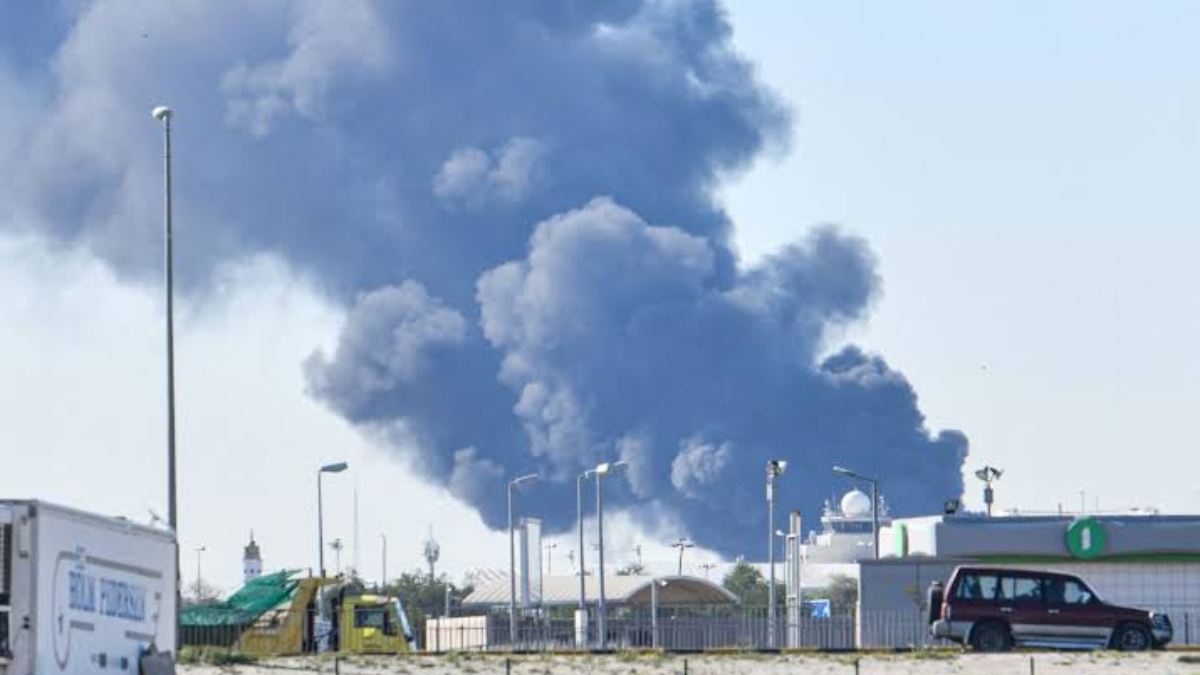
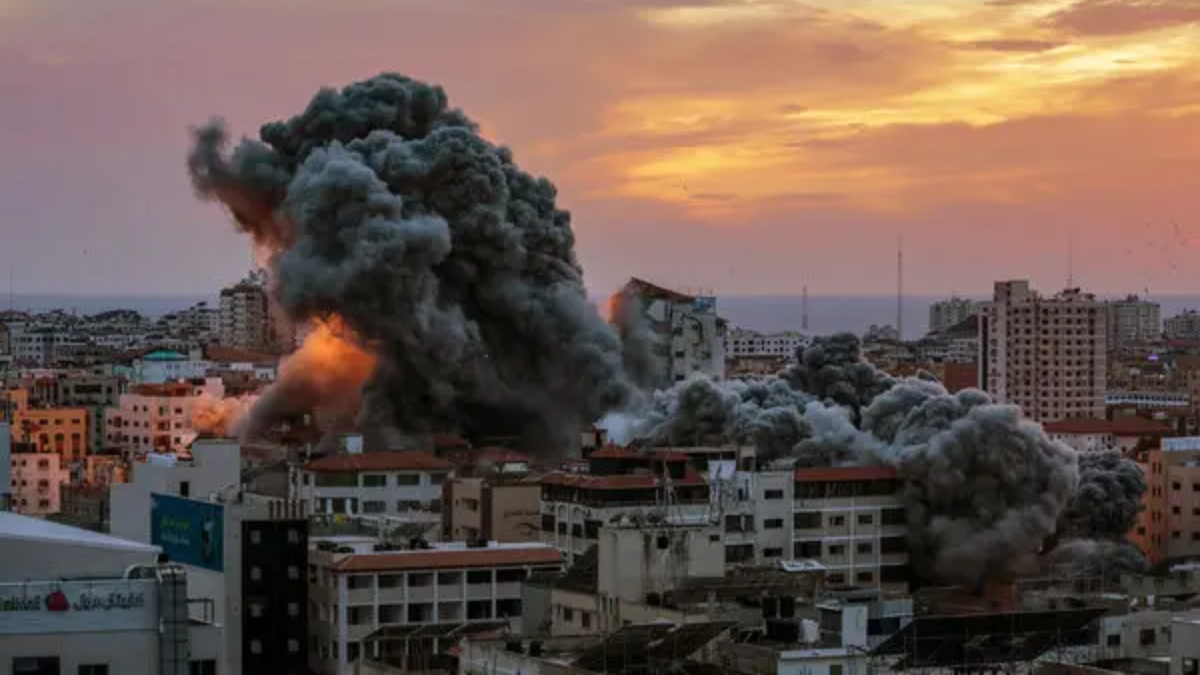
The exchange between Araghchi and Trump unfolded as the United States and Iran carried out fresh strikes against each other for a second straight day, with both sides continuing to assert competing claims over authority in the Strait of Hormuz.
Iran maintains that an interim peace agreement reached last month grants it the authority to regulate maritime traffic through the strait and impose transit charges. The United States, however, argues that international law guarantees freedom of navigation irrespective of the terms of the agreement.
Last week, Trump declared that the interim deal was "over" despite negotiations continuing out of public view.
The Strait of Hormuz remains one of the world's most strategically significant maritime corridors, carrying roughly one-fifth of global oil and liquefied natural gas supplies. Iran's blockade of the passage began after US and Israeli strikes targeted Tehran on February 28, killing the then-Supreme Leader Ali Khamenei and setting off the broader regional conflict that continues across the Middle East.
Also Read | 'Mojtaba Khamenei Is 90% Gone': Trump's Claim As US Launches Fresh Strikes On Iran
Also Read | Watch | Iranian Cruise Strikes On UAE Tankers In Hormuz Kill Indian, Injure 6