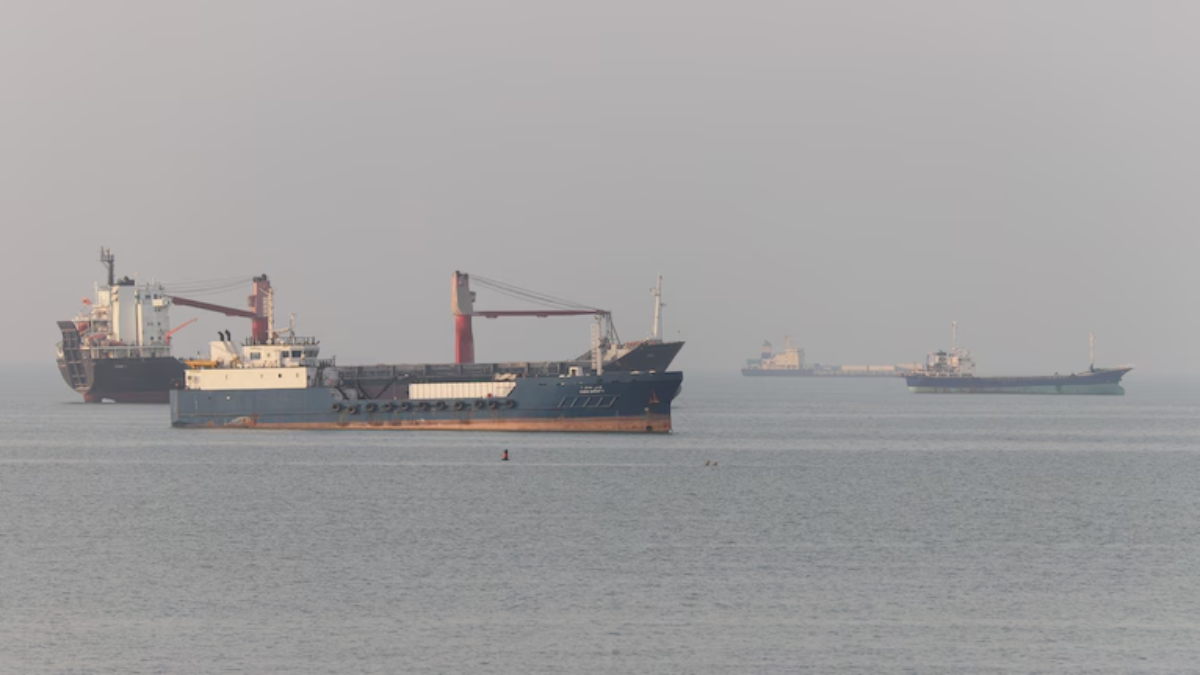


The United States and Iran have agreed to a week-long de-escalation arrangement in the Strait of Hormuz as indirect talks continue in Doha with mediation from Qatar and Pakistan, the New York Post reported, citing a US official.
The short-term understanding is aimed at avoiding additional military confrontation while technical teams focus on implementing the provisions outlined in the 14-point memorandum of understanding (MoU).
"We have reached an understanding that we will keep things quiet for the coming week, so progress on all aspects of the MOU can be worked on in a productive environment, without missiles flying," a US official told Axios.
The temporary lull comes alongside US Independence Day celebrations and funeral ceremonies for Iran's former Supreme Leader, Ali Khamenei.
Even with the reduction in hostilities, significant disagreements persist over the future of the strategically vital Strait of Hormuz. Iran continues to maintain that it has the right to regulate maritime traffic through the passage and has proposed levying transit fees after the existing interim arrangements come to an end.
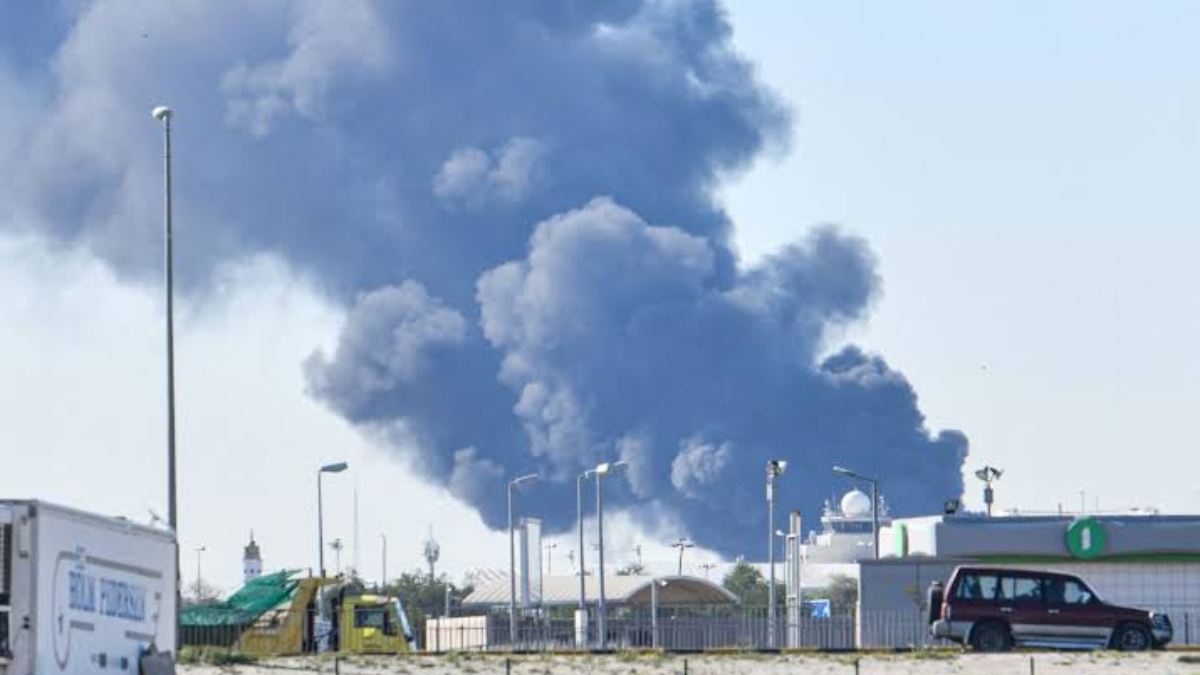
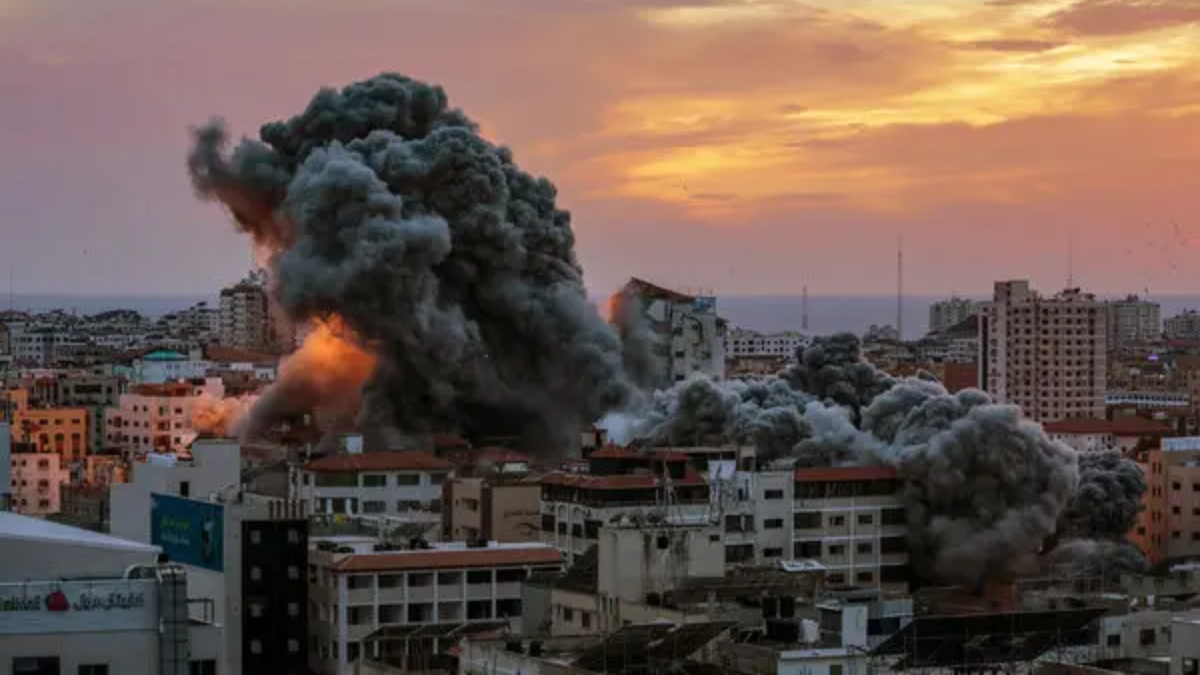
The latest tensions in the waterway intensified last week when Iran targeted a vessel near Oman, leading to US strikes on Iranian missile and drone storage sites along the Hormuz coastline.
US Vice President JD Vance said discussions at the technical level involving American, Iranian and regional representatives were moving forward.
"The U.S. technical team is sitting down with the Iranians, with the Qataris, and with others in Doha... ensuring that we continue to make the progress," Vance said, adding, "It's still pretty early, but talks are going well."
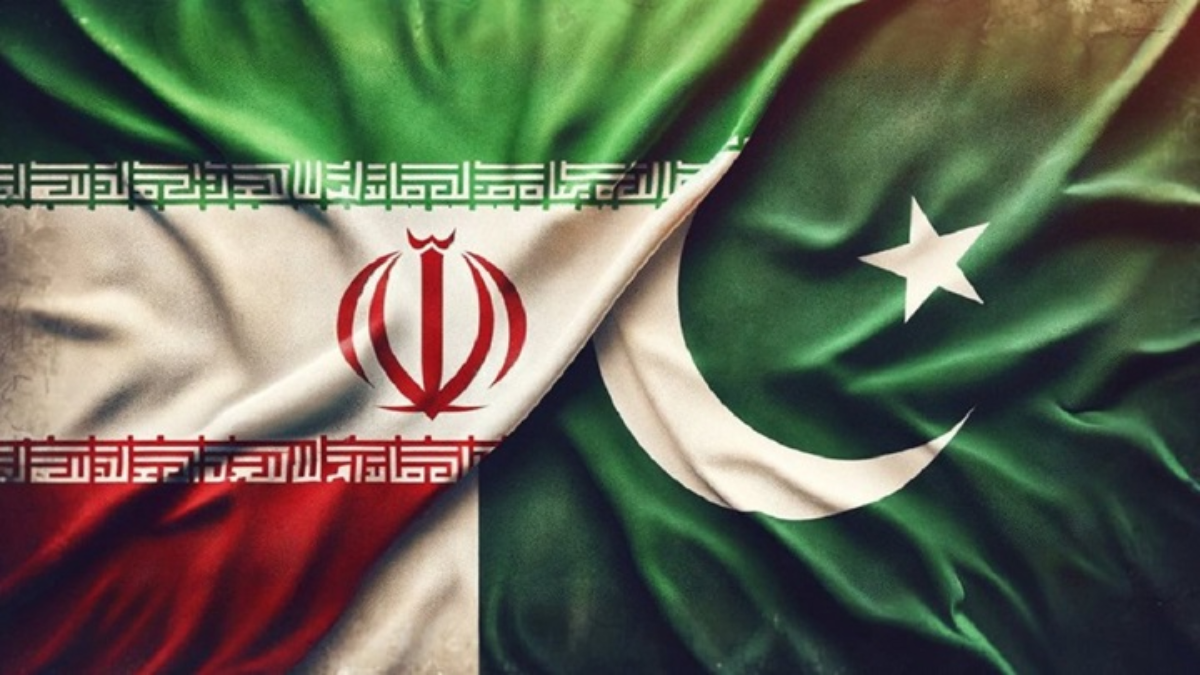
Iranian Deputy Foreign Minister Kazem Gharibabadi, who headed Tehran's technical delegation, rejected reports of direct negotiations between Washington and Tehran, saying all exchanges took place through Qatari and Pakistani mediators.
Gharibabadi said the participants had agreed to establish "an emergency communication channel by tomorrow" to deal with alleged breaches of the MoU. He also said discussions addressed Iran's frozen assets in Qatar, adding that "it was agreed that, based on Iran's stated needs, the required goods would be purchased and delivered to Iran."
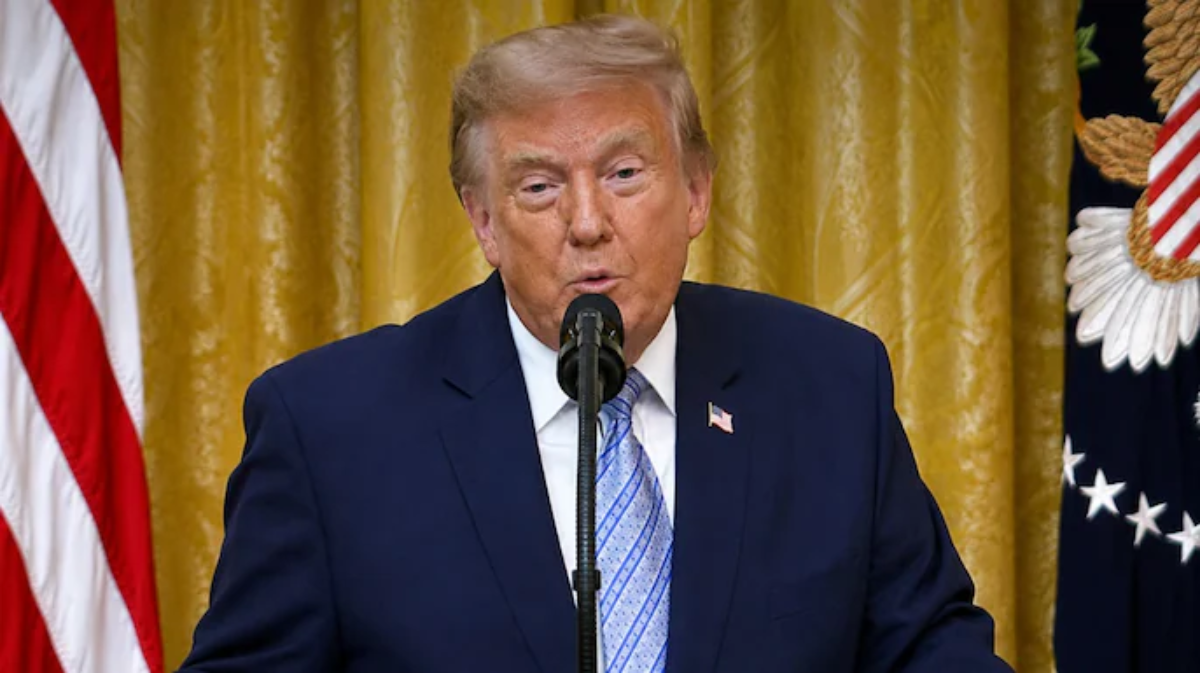
The diplomatic efforts followed talks in Doha involving President Donald Trump's envoys, Steve Witkoff and Jared Kushner, and senior Qatari officials. Regional sources said those meetings helped create the conditions for the ongoing technical negotiations, though it remains uncertain whether the US representatives held any direct discussions with Iranian officials.
Although both countries have committed to preserving the current period of calm, Washington reiterated that any fresh attacks in the Strait of Hormuz would draw a more forceful military response.
"The President has been clear that every time they shoot, we will shoot more — and at targets that further degrade their position in the Strait," the US official added.
Also Read | Watch | Japanese PM Takaichi receives ceremonial welcome at Rashtrapati Bhavan
Also Read | 2026 to see upswing in India-EU relationship: Jaishankar