

China has renewed efforts to advance a long-discussed regional connectivity project that could carry significant strategic implications for India. The proposed China-Myanmar-Bangladesh Economic Corridor (CMBC) would provide Beijing with another route to the Bay of Bengal, although the planned corridor passes through one of the world's most volatile conflict zones.
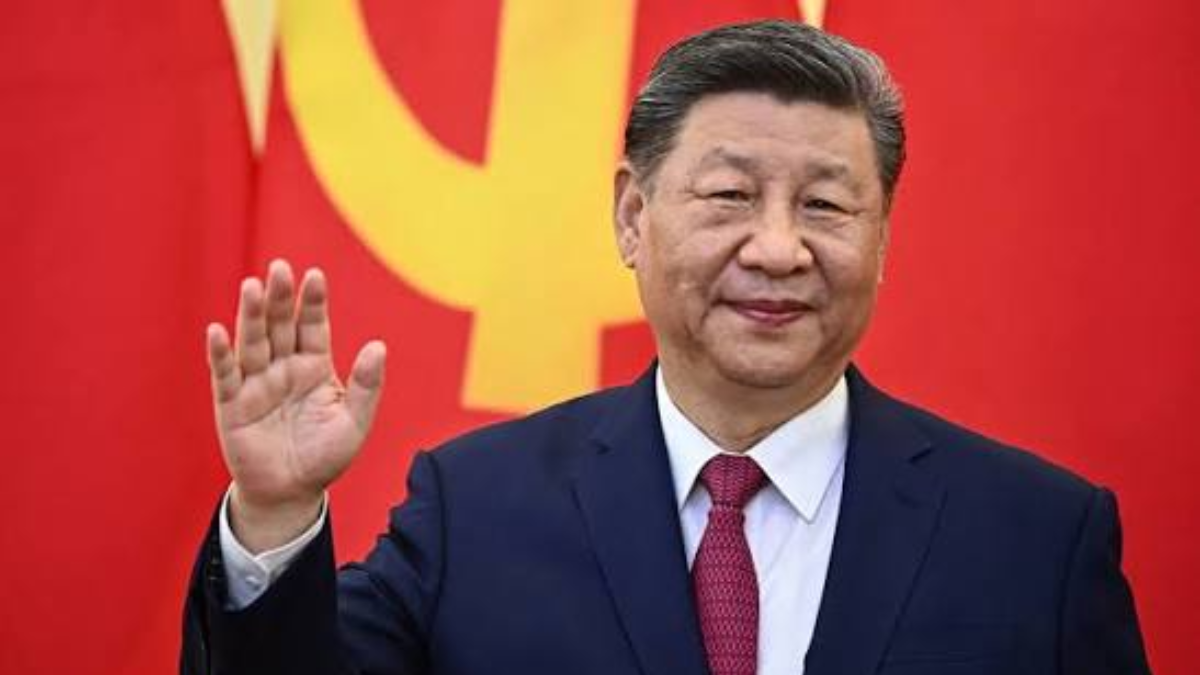
The proposal resurfaced during Bangladesh Prime Minister Tarique Rahman's four-day visit to Beijing, which began on June 22. During talks with Chinese President Xi Jinping at the Great Hall of the People, both sides discussed moving forward with the corridor "for greater regional connectivity", according to China's foreign ministry.
Referring to the origins of the initiative, Chinese Ambassador to Bangladesh Yao Wen said on Thursday, "We proposed the Bangladesh-China-India-Myanmar Economic Corridor about 15 years ago and achieved some progress. But due to various reasons, we have not achieved the results China had expected."
Asked whether India could eventually become part of the project, the ambassador said it remained open to additional participants "if they are willing to join".
He added that the corridor is intended solely to promote connectivity and regional economic cooperation.
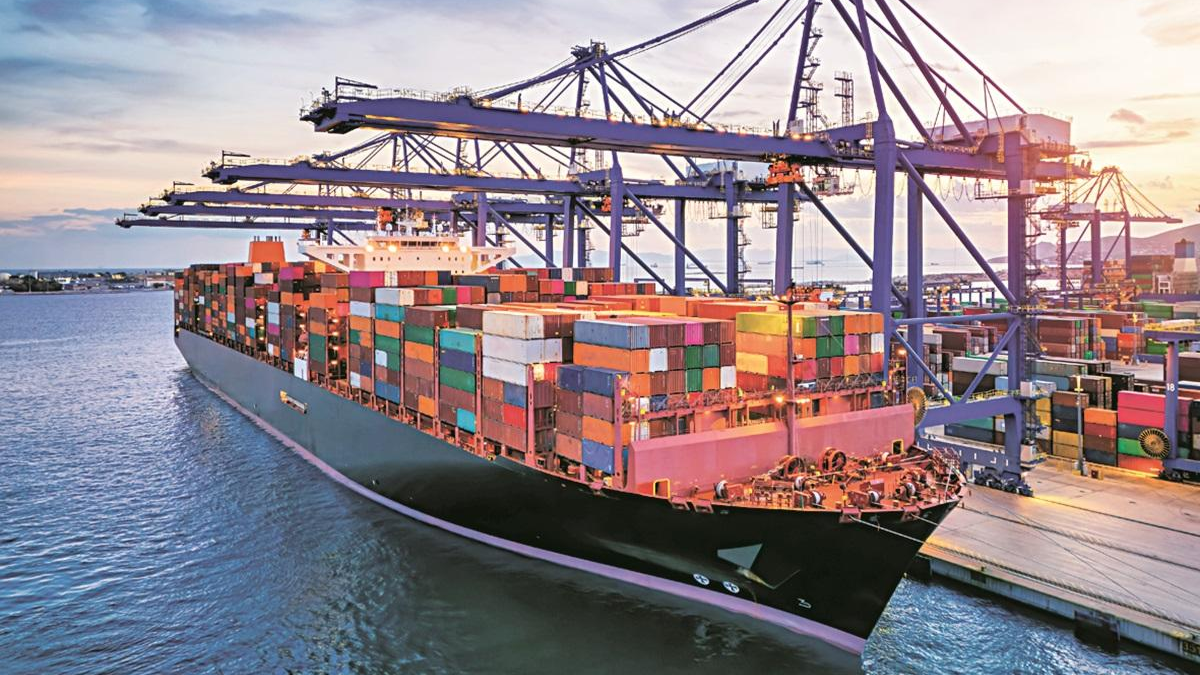
Under the proposed plan, the route would begin in Kunming, the capital of China's Yunnan province, before extending to Mandalay in Myanmar. From Mandalay, it would branch towards Yangon and the deep-sea port of Kyaukphyu in Rakhine State. Beijing aims to extend the network through Rakhine into Bangladesh, connecting it with Chattogram and Cox's Bazar, thereby creating direct access to the Chattogram and Mongla ports on the Bay of Bengal.
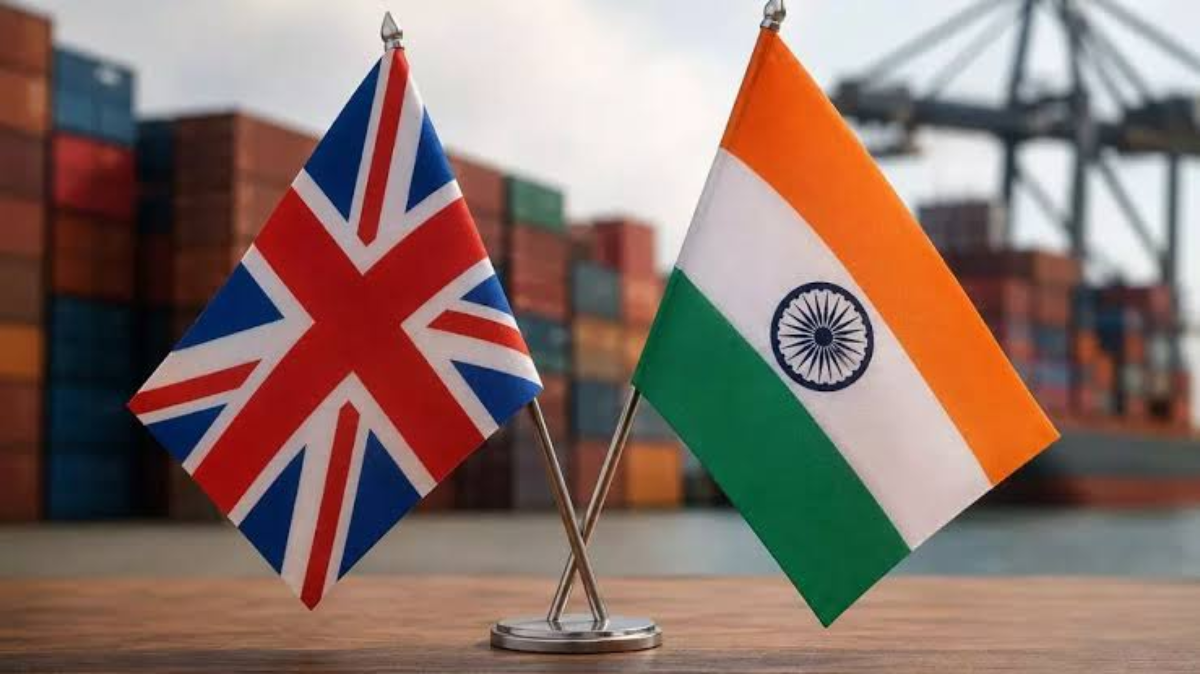
The CMBC represents a revised version of an earlier proposal. During the 1990s, the Bangladesh-China-India-Myanmar (BCIM) Economic Corridor was envisioned as a route linking Kunming with Kolkata through Mandalay and Dhaka.
However, the BCIM initiative gradually lost momentum as India became increasingly cautious about China's Belt and Road Initiative and bilateral ties between New Delhi and Beijing deteriorated. By 2019, the BCIM corridor had been removed from the official list of Belt and Road Initiative corridors.
A major obstacle to the project is its proposed alignment through Myanmar. The corridor's main route stretches approximately 1,700 kilometres from Kunming to Myanmar's coastline, passing directly through Rakhine State, one of the most fiercely contested regions in the country's ongoing civil war.
According to a 2026 United Nations Security Council briefing, Myanmar's military government controls only about one-fifth of the country's territory. Resistance groups and ethnic armed organisations hold an estimated 42 per cent, while the remainder is either contested or experiencing active conflict. Meanwhile, the Mandalay-Kyaukphyu railway project, agreed under a 2021 memorandum of understanding between Myanmar and China, has yet to receive a construction timeline.
Bangladesh has also stopped short of endorsing the proposal. Speaking to reporters on June 27, Bangladesh Foreign Minister Khalilur Rahman said the government is "currently examining" the project and has "taken no position" on it. He also made clear that any land connectivity through Myanmar would depend on the restoration of peace in Rakhine State.
For India, the revived proposal comes against the backdrop of China's growing regional connectivity ambitions. Beijing already has access to the Arabian Sea through the China-Pakistan Economic Corridor (CPEC), a project that India has consistently opposed because it passes through Gilgit-Baltistan, a region that is part of Pakistan-occupied Kashmir.
The proposed CMBC would provide China with another strategic route to the Indian Ocean on India's eastern flank, complementing the access that CPEC and Gwadar provide on the western side through Pakistan. The renewed push follows a recent meeting between Xi Jinping and Pakistan Prime Minister Shehbaz Sharif, during which the two sides reached a "new broad consensus" on expanding CPEC and developing Gwadar into a regional hub. Taken together, the initiatives reflect China's broader effort to strengthen its presence in both the Bay of Bengal and the Arabian Sea while expanding its strategic footprint around India's traditional sphere of influence.
The Rahman-Xi meeting also resulted in several additional agreements covering the Teesta river management plan, flood mitigation, irrigation, cooperation in the green economy and digital sectors, as well as Bangladesh's reaffirmation of the one-China policy.