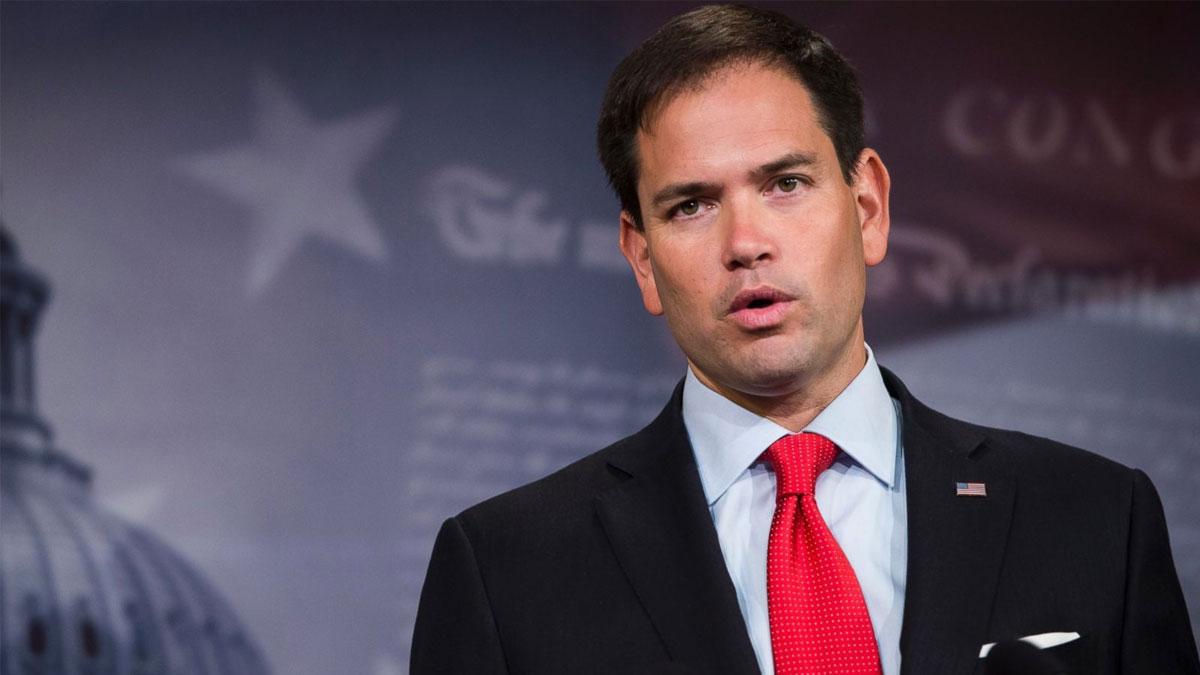


US Senator Marco Rubio introduced legislation elevating India's status to that of major American allies—docked with the likes of Japan, Israel, South Korea, and NATO members, on matters concerning technology transfers. Known as the US-India Defense Cooperation Act, the bill would promote security capabilities in India and assist in protecting its territorial integrity, conditioning US security assistance to Pakistan upon a finding of culpability against the state by acts of terrorism against India.
"Communist China is vociferously expanding its sphere of influence in the Indo-Pacific region while it seeks to undermine the sovereignty and independence of our regional partners. Keeping that in mind, it is in the best interest of the United States to continue aiding their efforts against those insidious tactics. India, along with other nation-states of this regional bound, is not alone," Rubio said after he introduced the U.S.-India Defense Cooperation Act in the Senate.
Given a deeply polarized Congress today, more so in an election year, the bill is going to face tough sledding. Still, with bipartisan support, the relationship between the U.S. and India may just make a comeback in the next session. This legislation underlines how much this alliance is to be instrumental in offsetting Chinese influence and in deeper diplomatic, economic, and military engagement with India.
This would mean a policy statement where the United States supports India in view of growing threats and provides whatever security assistance is necessary to deter such threats. More importantly, this enhances cooperation in defense, space, technology, medicine, and economic sectors. It further proposes a limited waiver to India from CAATSA sanctions pertaining to existing Russian military equipment and suggests that expedited processing of defense sales and services to India aligns with U.S. interests and regional stability.
It also recommended that India be treated on par with other allies for technology transfers, authorized a memorandum of understanding to increase military cooperation, facilitated the transfer of excess defense articles to India for two years, and expanded military education and training programs.
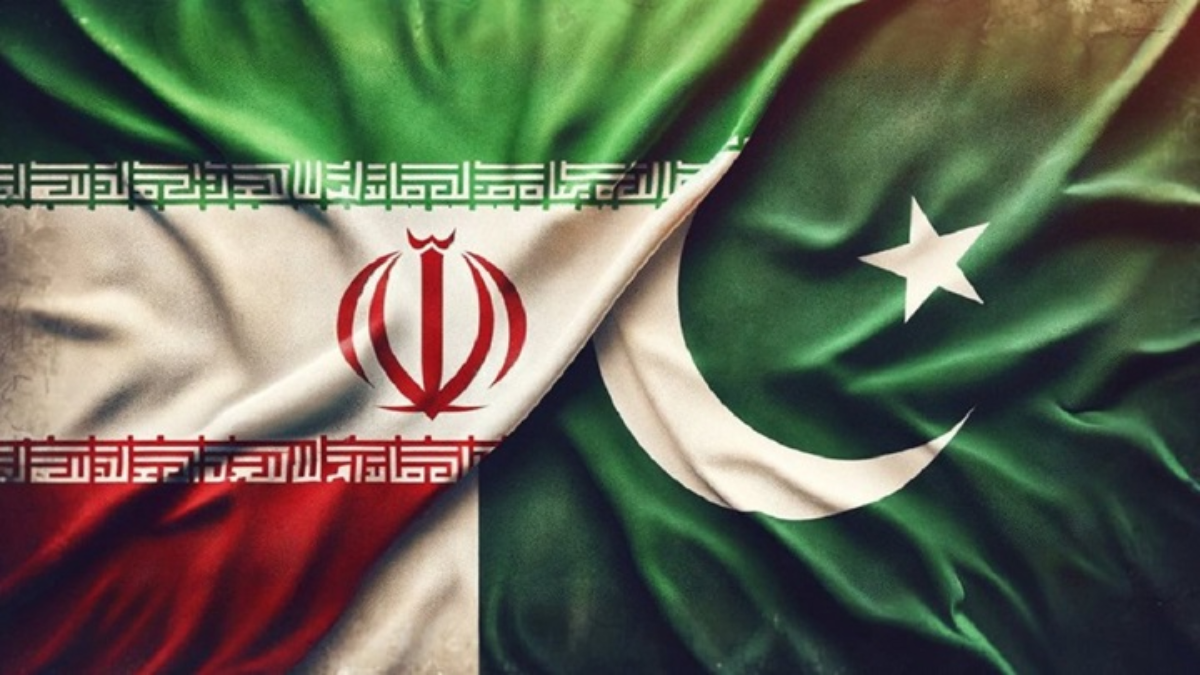
It also requires a report to be presented to Congress on Pakistan's use of force, including terrorism, against India, before the proposed legislation. If there is a determination that Pakistan has sponsored terrorism against India, then Pakistan would be denied security assistance.
It, therefore, drastically departs from existing US policy by seeking to elevate India's status to that of its treaty allies, exemptions from sanctions, and penalties on Pakistan for its alleged role in terrorism.
Read also | Singapore's Terrorism Risk Remains Elevated, Report Finds
Read also | 'We got a lot to talk about', Biden Greets Netanyahu for Key Talks