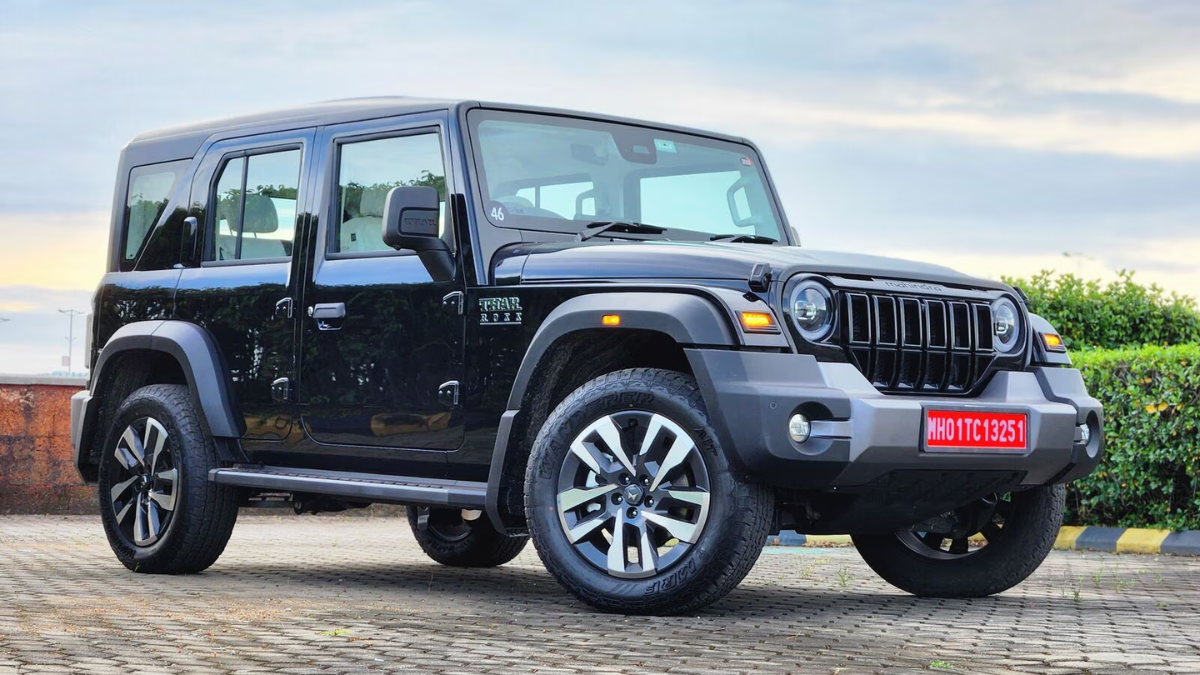
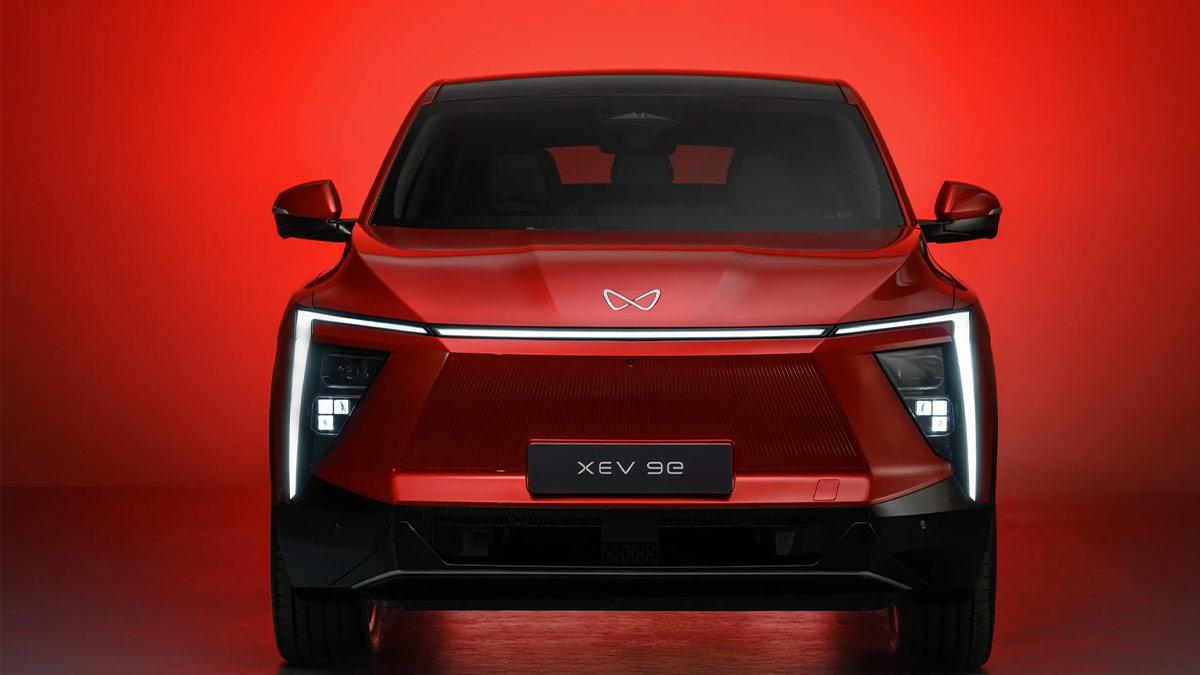


Mahindra & Mahindra Ltd (M&M) on Saturday became the latest carmaker to announce price reductions across its internal combustion engine (ICE) SUV range, transferring the entire benefit of GST 2.0 to customers. Buyers are now able to save a maximum of ₹1.56 lakh based on the model and the change takes immediate effect.
The company has asserted that hot-selling SUVs like the Thar, Scorpio, Bolero, XUV700, and Scorpio-N will be priced lower. Price cuts vary between ₹1.01 lakh and ₹1.56 lakh, with the XUV3XO Diesel bearing the biggest cut of ₹1.56 lakh, followed by the XUV3XO Petrol (₹1.40 lakh), Scorpio-N (₹1.45 lakh), Thar Roxx (₹1.33 lakh), and the flagship XUV700 (₹1.43 lakh). The Bolero and Bolero Neo have also been reduced in price by up to ₹1.27 lakh.
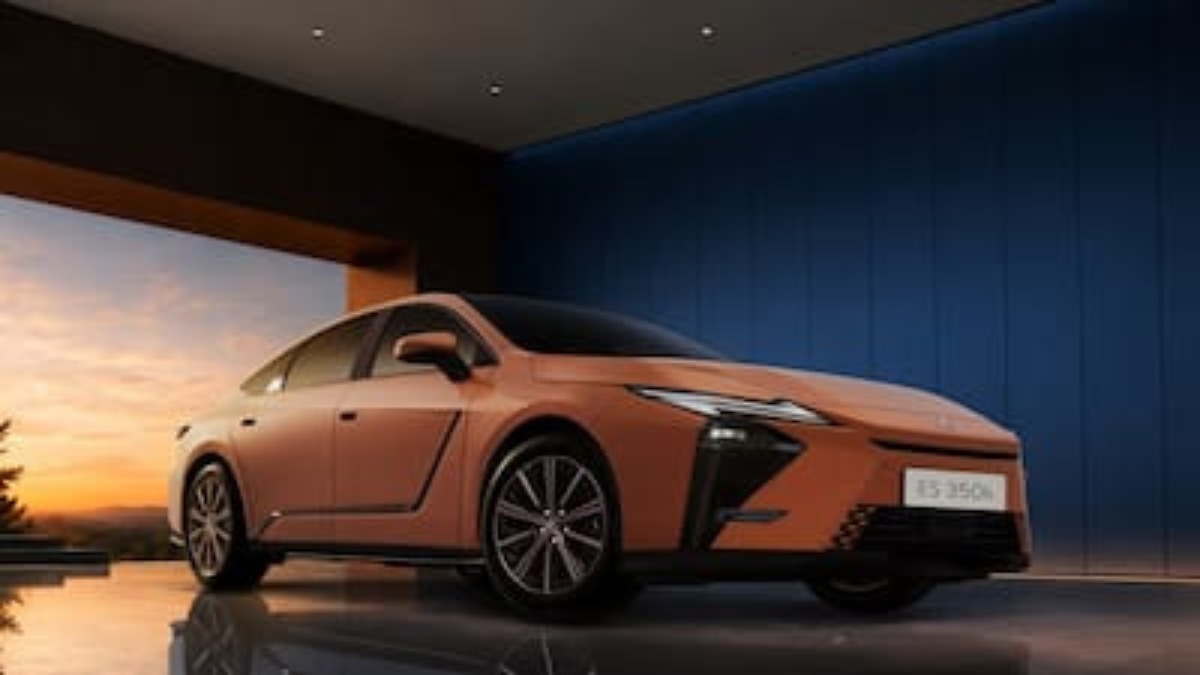
Toyota Kirloskar Motor (TKM) has also implemented the same cuts on its lineup, in line with the lower GST slabs. The company indicated its models would now cost less by ₹48,700 (Rumion) to up to ₹3.49 lakh (Fortuner). The Glanza would enjoy savings of up to ₹85,300, the Taisor up to ₹1,11,100, and the Urban Cruiser Hyryder up to ₹65,400.
"We would like to thank the government of India, for this revolutionary move. It not only boosts affordability for consumers but also improves overall confidence in the automobile industry. Pre-festival season, we anticipate that this move will give a good push and further boost demand," commented Varinder Wadhwa, Vice President, Sales-Service-Used Car Business and Profit Enhancement at TKM.
Renault India also reduced prices of its three mass-market models — Kwid, Triber, and Kiger — by as much as ₹96,395.
These changes fall under the new GST 2.0 regime, which has substituted the previous tax regime for ICE vehicles. Passenger cars with internal combustion engines are now taxed at either 18% or 40% based on the category. Hatchbacks, small sedans, and small SUVs are in the 18% slab, while mid-size, big, and luxury cars are charged at 40%. Earlier, ICE vehicles were levied a flat 28% GST on top of an additional compensation cess ranging from 1–22%, depending on engine capacity and vehicle size.
Electric cars continue to be charged at 5%, while hydrogen fuel cell cars (FCEVs) have been reduced from 12% to 5%, continuing the government's clean mobility drive.
Read also| Watch | Mumbai Sees Its First Tesla Model Y Delivery — Owner Revealed
Read also| Maruti Suzuki Victoris Revealed: Details on Design, Features, Specs, and Mileage