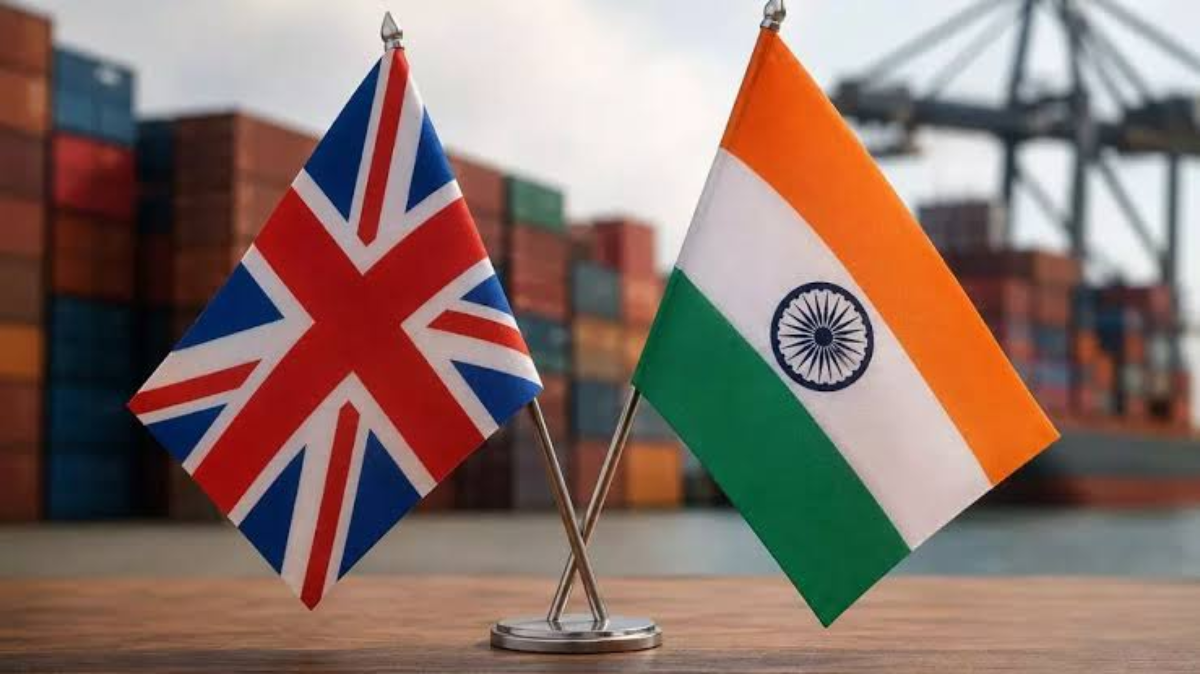
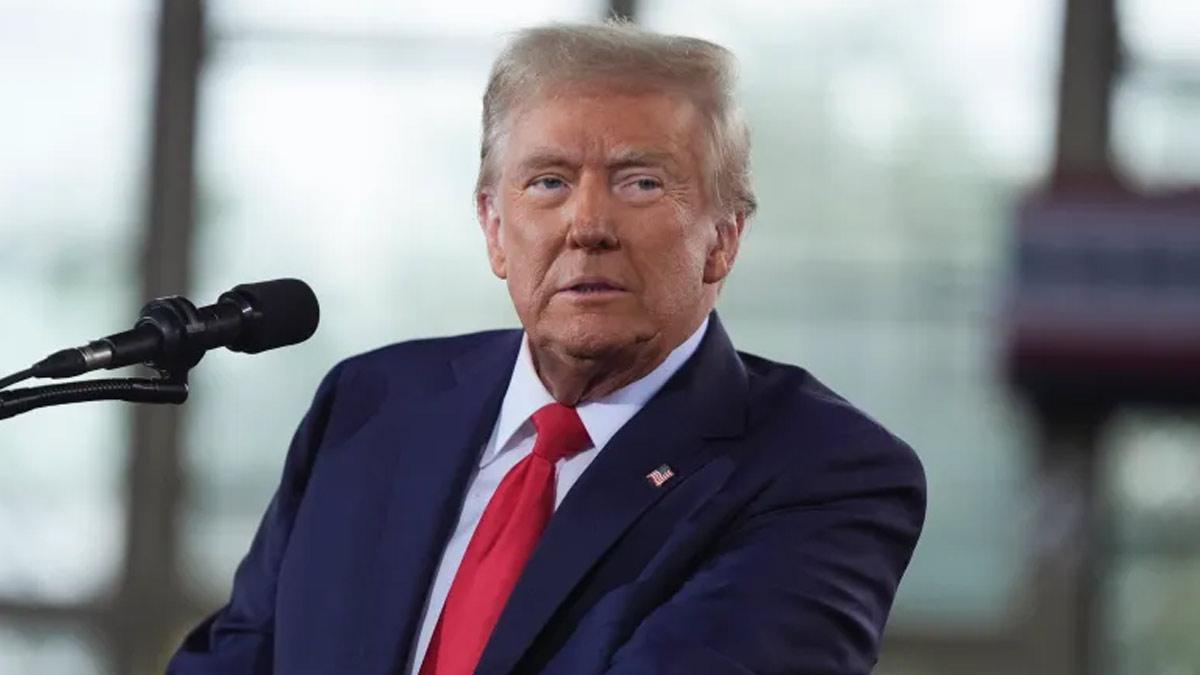


The United States hit India with hefty 50 per cent tariffs because President Donald Trump was not allowed to mediate in the India-Pakistan conflict, according to a report by Jefferies, an American multinational investment bank and financial services company.
The report said these abnormally high tariffs were a "consequence" of Trump's "personal pique" and that he had apparently hoped to intervene during the May skirmish between the two South Asian nuclear powers.
"Tariffs are primarily the consequence of the American president's personal pique that he was not allowed to play a role in seeking to end the long-running acrimony between India and Pakistan," the report noted.
India has steadfastly held that interference from other countries will not be tolerated in any of its matters with Pakistan.
Trump, for his part, has claimed on various occasions to have resolved a number of international conflicts, including the conflict between India and Pakistan, while the White House insinuated he deserved the Nobel Peace Prize for it.
"It's well past time that President Trump was awarded the Nobel Peace Prize," White House Press Secretary Karoline Leavitt had said in July.
Earlier this year, he posted on Truth Social, "I will work with you both to see if, after a thousand years, a solution can be arrived at, concerning Kashmir." The mediation offer hit a raw nerve with India.
Though there was a risk of great economic repercussions, India was steadfast on its "red line" of not accepting third-party intervention.
The report also attributed the tariffs to another reason, that of agriculture, as no government in India has ever consented to completely opening the industry to imports in an attempt to protect its farmers.
About 250 million farmers and farm workers depend on agriculture for their livelihood and the sector is employing 40 per cent of India's labour force.
Earlier this month, US Treasury Secretary Scott Bessent had said that India had been a "bit recalcitrant" during trade talks with the US.
In reaction to the tariffs, India said the targeting of India is "unjustified and unreasonable."
The Jefferies report warned that pressuring India could push it closer to China, and that the two countries would start direct flights again after five years in September.
Read also| India’s Defense Tech Investment Skyrockets 61-Fold Over the Last Decade: Report