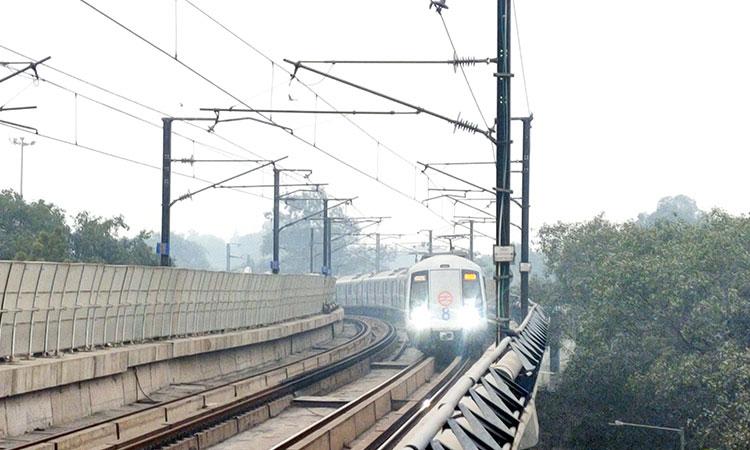


The operational speed of the Metro trains on the Airport Express Line (AEL) have been increased from 90 kmph to 100 kmph on Wednesday onwards after receiving the mandatory approval from the Commissioner of Metro Rail Safety.
Officials said that the speed of trains will further be increased to 120 kmph in a graded manner subsequently.
The total travel time between New Delhi Airport Line to Dwarka Sector-21 Metro stations after the current increase in the operational speed of metro trains on the AEL will be around 21 minutes. Further, the travel time on the AEL will be reduced to 19 minutes only, after the maximum speed limit of 120 kmph is implemented in future.
The 23 km-long Airport Express Line is the fastest metro connection in India.
Also read | Oppo mobiles Maharashtra manager nabbed for Rs 19cr GST fraud
It provides connectivity from the New Delhi Railway Station to Dwarka Sector 21 through IGI Airport T-3 and Aerocity.
The average daily passenger journeys performed on the Airport Express Line is around 65,000.
Officials said that increasing the operational speed of the Airport Express Link to 100 kmph was a major engineering challenge for Delhi Metro's engineers.
Meticulous planning, round-the-clock supervision, and determination to not let the work impact passenger operations were the key highlights of this mammoth effort.
Also read | IT Dept launches app for viewing annual info statement, taxpayer info summary
The major activity included the replacement of more than 2.6 lakh existing tension clamps located on the rails across the entire AEL network with high-frequency tension clamps to make them more compatible with the revised speed strength.