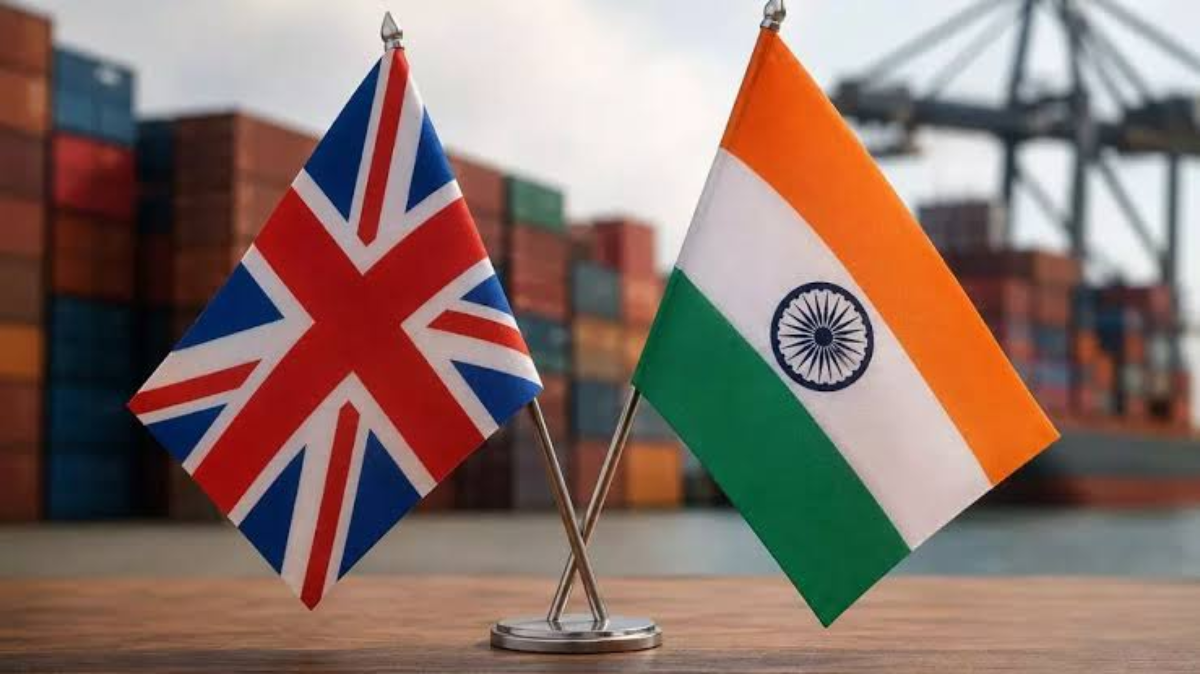
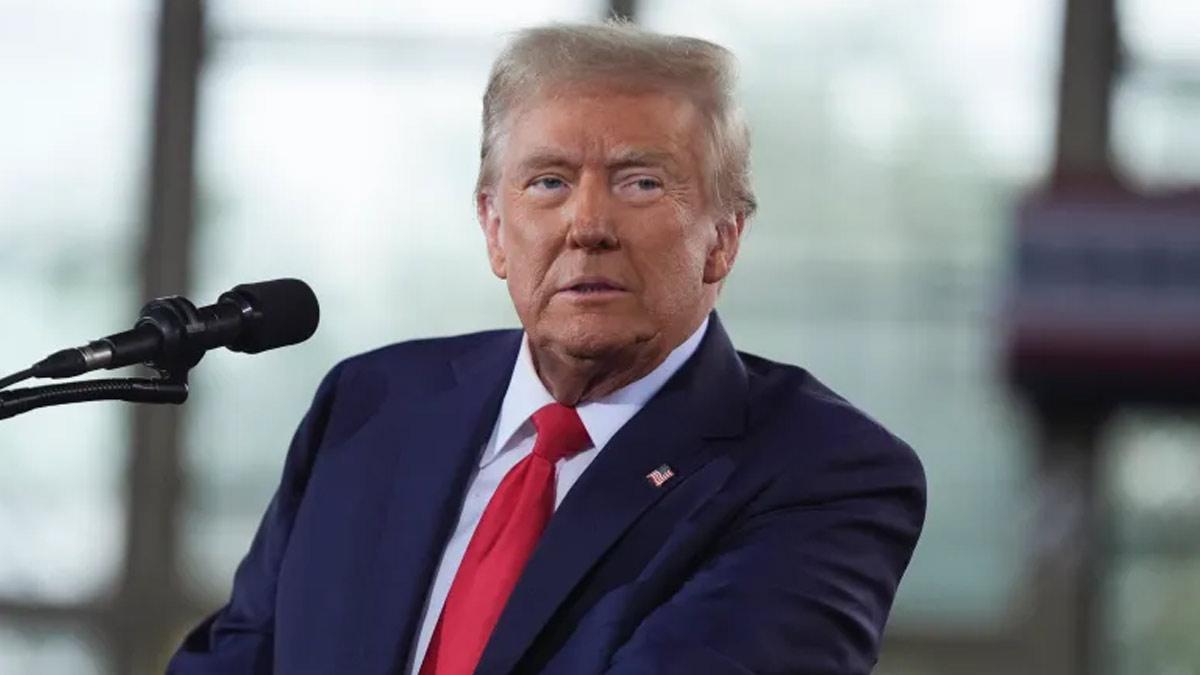


President Donald Trump revealed on Wednesday that his administration would impose a 25% tariff on products imported from India. He also indicated imposing an additional import duty due to India's ongoing imports of Russian oil.
Writing on his Truth Social platform, Trump described India as a "friend" but attacked its trade policies, saying that its tariffs for American products are "far too high."
Trump also referred to India's energy and military relations with Russia, claiming that those purchases indirectly benefit the Ukraine conflict. In response, he announced that his administration would impose a punitive surcharge starting Friday as part of an overall redesign of U.S. tariffs imposed on a number of countries abroad.
Ajay Sahai, director general of the Federation of Indian Export Organisations, cautioned that these new restrictions could erode India's competitiveness in America compared to countries such as Vietnam, Bangladesh, and even China.
"We are square one again as Trump has not made clear what the penalties would be beyond the tariff," Sahai said. "Indian goods are sure to be affected by the demand.
This news comes after a series of trade deals completed with nations like the European Union, Japan, Indonesia, and the Philippines. Trump says these agreements will not just enhance market entry for U.S. exporters but also provide America with greater flexibility to raise tariffs on imported goods. Tariff revenue can help cut the national budget deficit generated by recent tax reductions and spur domestic manufacturing, says the previous president.
While Trump has employed tariffs as a negotiating lever to reset trade conditions, economists are not sure about their long-term impact. Most expect reduced economic growth and increased inflation as U.S. firms and consumers pass on the costs.
Trump's move to slap a 15% tariff on longtime allies in the European Union has also generated diplomatic tension. Some EU nations, and Canada, could now begin to search elsewhere beyond Washington for leadership in the world.
In response, French President Emmanuel Macron remarked that Europe lacks a strong global identity, signaling continued talks with the U.S. to solidify the terms of their recent trade arrangement.
“To be free, you have to be feared,” Macron told his cabinet. “We have not been feared enough. There is a greater urgency than ever to accelerate the European agenda for sovereignty and competitiveness.”
In spite of escalating trade tensions, Washington remains committed to its strategic alliance with New Delhi, particularly as a counterweight to China's presence in the region. Indian Prime Minister Narendra Modi has a collaborative rapport with Trump, and analysts anticipate that relations between the two nations will further improve over the next few months.
Read also| Pakistan Government Expedites Cryptocurrency Adoption Strategy, Says Report
Read also| India-Born Shailesh Jejurikar Named Next CEO of FMCG Powerhouse Procter & Gamble