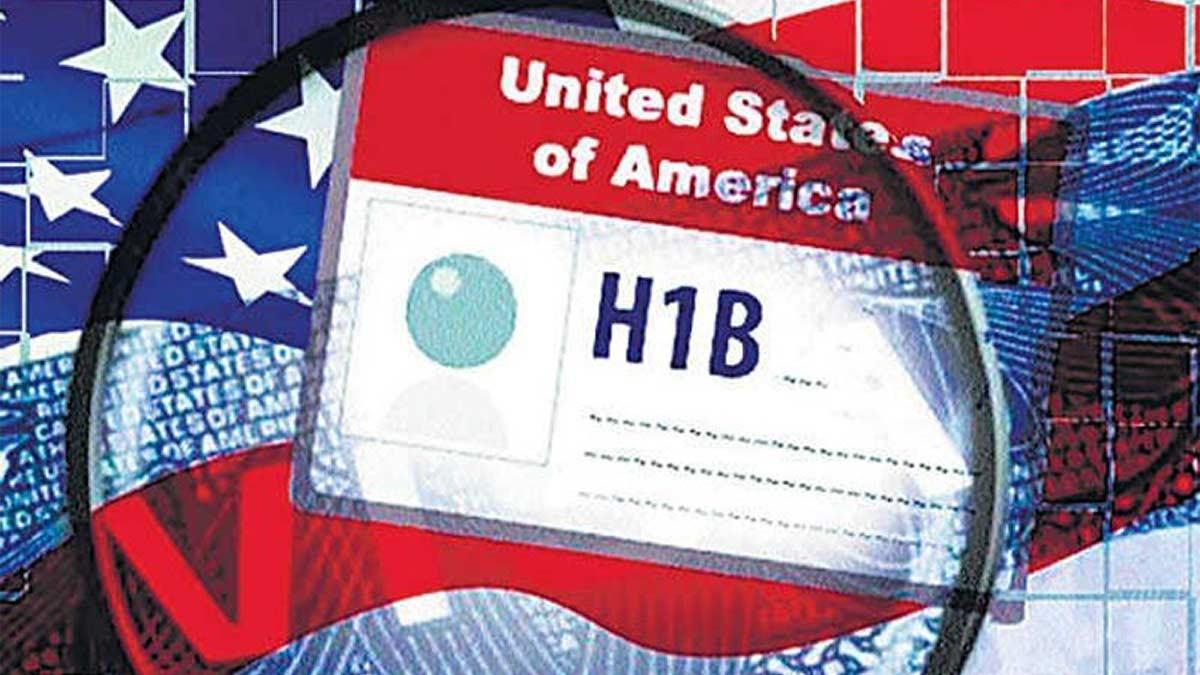


The recent increase in the H-1B visa fee to $100,000 is expected to have only a minimal impact on Indian IT services firms, a report published on Tuesday said. This follows mainly because the industry has reduced its dependence on H-1B visas over the last decade due to increased localisation and offshoring efforts.
However, the medium-term impact can be more serious. A higher delivery cost in the US can lead to a structurally higher cost base, although firms might decide to rethink their operational designs and look at mitigation strategies, said the Franklin Templeton report.
The intensity of the impact for firms is most likely to vary depending on items like a firm's US market exposure, onsite workforce composition, and dependence on non-local talent.
Historically, visa-related challenges have been prompted by executive action rather than legislative change, and cost pressures have already been piling up during previous phases of visa tightening. As an aside, supply-side interruptions are more harmful where high-growth settings are lacking, which is the case today.
“As H-1B lotteries and petitions typically occur in Q4–Q1, the earliest material impact is likely to be reflected in FY27 petition cycles. In response, providers are expected to accelerate offshoring, expand nearshore operations in Canada and Mexico, pursue acquisitions in Europe and APAC to diversify geographically, and invest in automation and AI to enhance productivity,” the report mentioned.
These shifts are likely to increase the appeal of Global Capability Centres (GCCs) in India to talent, especially with onsite opportunities decreasing and clients seeking enhanced rate realization as well as efficiency improvement.
India's equity markets could experience some near-term volatility, but broader valuations remain fairly high in relation to historical standards.
Nonetheless, valuations in the IT sector have adjusted over the last 6–12 months with a softer demand expectation.
The overall scenario of corporate profits in Indian markets looks good, supported by a recovery in domestic consumption and a slow build-up in private sector capital spending.
“While global risks – such as US tariffs – pose short-term challenges for export-driven sectors, India’s macroeconomic fundamentals continue to be resilient,” said the report.
In the future, the likely conclusion of a trade deal with the US in the second half of 2025, combined with improved domestic demand and better earnings visibility, could be the main supportive drivers for the market during the next few quarters, the report further stated.
Read also| GST 2.0 Comes Into Effect: Prices Drop for About 370 Items
Read also| JPMorgan Labels India a ‘Bright Spot’ Despite Tariffs and $100,000 H-1B Fee