

India has about 7.23 million tonnes (MT) of Rare Earth Elements Oxide (REO) contained in 13.15 MT of monazite—a thorium- and rare earth-containing mineral—distributed in several geological formations of the nation.
These are coastal beach sands, red and teri sands, and inland alluvial deposits in states such as Andhra Pradesh, Odisha, Tamil Nadu, Kerala, West Bengal, Jharkhand, Gujarat, and Maharashtra.
Moreover, another 1.29 MT of rare earth deposits are interlocked in hard rocks in the states of Gujarat and Rajasthan, Lok Sabha was told on Wednesday.
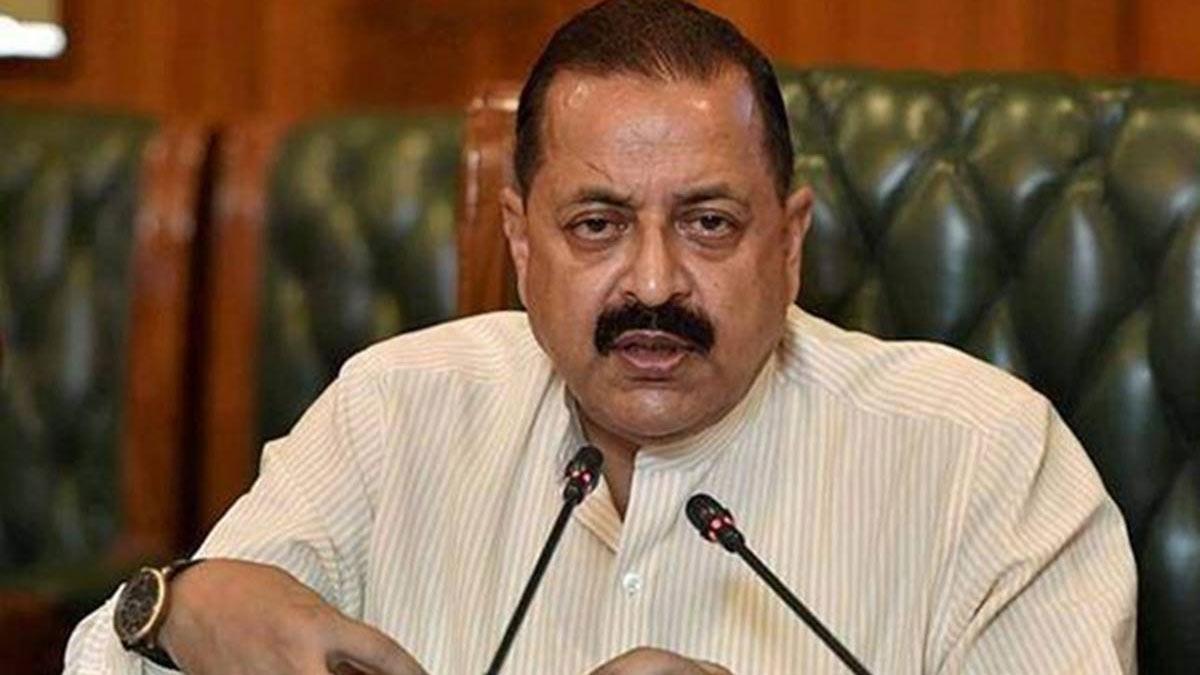
Minister of State Dr. Jitendra Singh, in a written answer, said that the Atomic Minerals Directorate for Exploration and Research (AMD) working under the Department of Atomic Energy continues to carry out large-scale surveys and exploration for rare earth minerals. These are carried out in coastal, riverine, and inland placer deposits as well as hard rock terrains in prospective geological areas throughout the country.
He also added that the Geological Survey of India (GSI) has been able to contribute 482.6 MT of rare earth ore resources through 34 exploration activities, as per different cut-off grades.
The country has made mere 18 tonnes of export of rare earth minerals in the last ten years and not imported any in the same category, according to the minister. Given international trade realities, particularly recent exports restrictions on rare earth magnets by some countries, the Ministry of External Affairs has been holding consultations with the stakeholders to go through and sort out the problems.
"There have been ongoing interactions at bilateral and multilateral levels to enhance cooperation in peaceful uses of nuclear energy, such as in rare earth minerals and related technologies. These measures are aimed at preventing disruption in the supply chain and protection of interests of Indian importers," Dr. Singh asserted.
The Ministry of Mines also aims at developing supply chain resilience for critical minerals, such as REEs, used in the emerging sectors of electric vehicles, green energy, and defence. In order to enhance bilateral cooperation, India has signed agreements with a number of resource-intensive nations, such as Australia, Argentina, Zambia, Peru, Zimbabwe, Mozambique, Malawi, and Cote D'Ivoire. It has also collaborated with international organizations such as the International Energy Agency (IEA).
India is a keen participant in forums such as the Minerals Security Partnership (MSP), Indo-Pacific Economic Framework (IPEF), and the Initiative on Critical and Emerging Technologies (iCET), all designed to support global value chains for critical minerals.
To further support its strategic mineral reach, the Ministry of Mines has set up Khanij Bidesh India Limited (KABIL)—a joint venture to prospect, pick up, and develop foreign mineral properties critical to India's strategic requirements. KABIL has already signed a deal with CAMYEN, a state-owned enterprise of Argentina's Catamarca province, for exploration and development of five lithium blocks.
KABIL is also having discussions with Australia's Critical Mineral Office on a continuing basis to advance the opportunities of acquiring top-priority mineral assets. Further, efforts have been set in motion to conclude Government-to-Government (G2G) Memoranda of Understanding with Brazil and the Dominican Republic for collaborative projects in the rare earth and critical minerals space.
The minister stressed that minerals like lithium, cobalt, graphite, titanium, and the rare earth are highly sought after across the world because of their critical contribution to energy transition technologies, defence systems, and future transportation.
He further stated that the Ministry has already started making major policy reforms to ensure long-term security and long-term sustainability of critical mineral supply for the country's increasing industrial requirements.