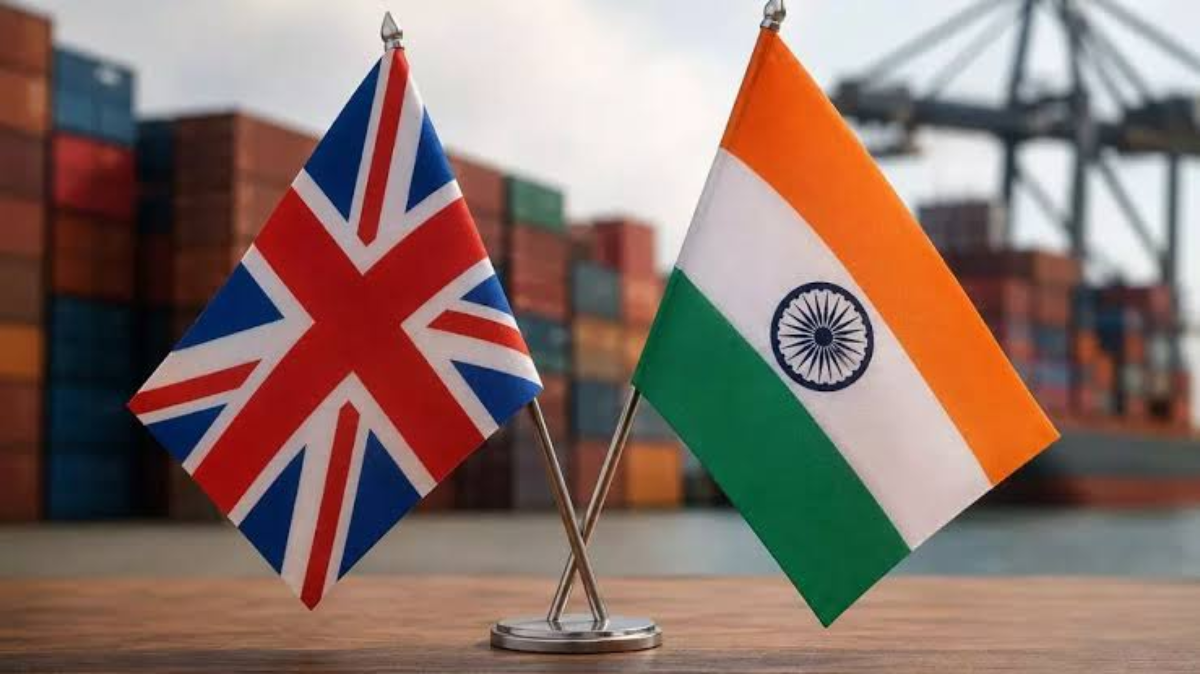
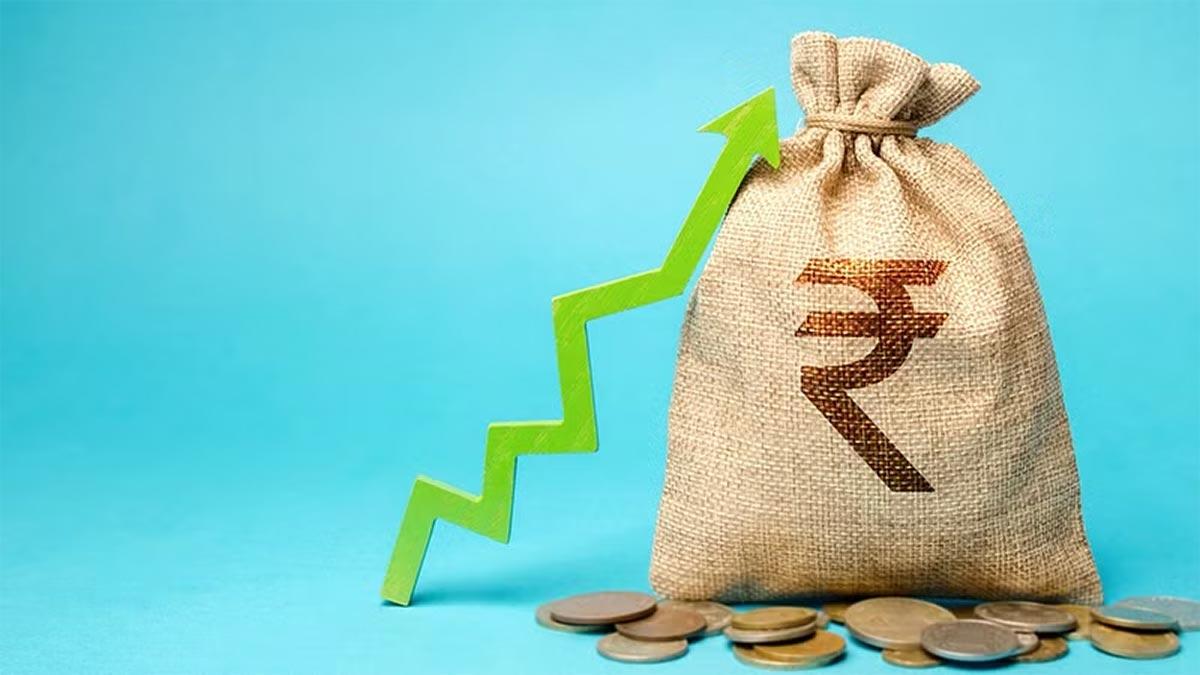


The Indian rupee started Monday's trading on a positive note even as there are overhangs of a potential 25% US President Donald Trump tariff on Indian exports to be imposed from August 27.
Hope that negotiations between the US and Russia on August 15 may open the door for the resolution of the Russia-Ukraine war—and even lead to the cancellation of these extra tariffs—lifted sentiment.
The rupee opened 13 paise up at 87.53 against the US dollar, against Friday's close at 87.66. The immediate trading range is likely to trade between 87.25 and 87.80, according to analysts. Forecasts in the market had indicated a slightly firmer opening at 87.51, with investors closely observing both domestic and US inflation readings. India's CPI and WPI are scheduled for release on August 12 and August 14, respectively.
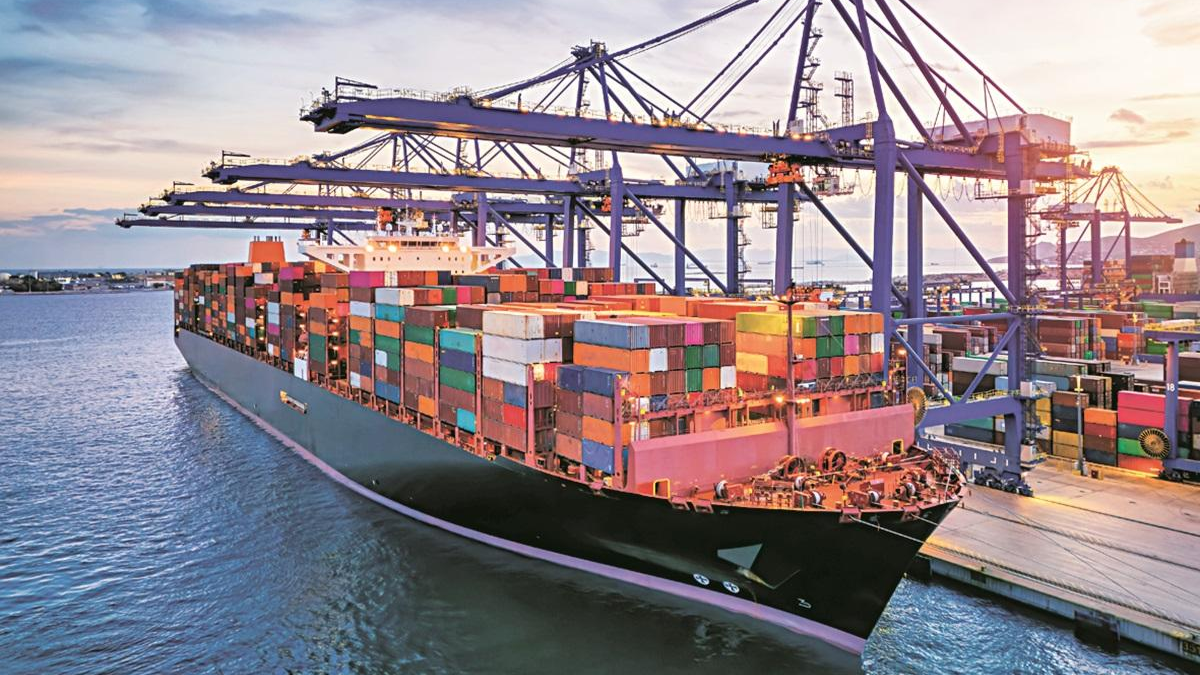
The rupee may come under short-term pressure if the US tariffs are imposed, economists warn, as weakened export revenues, possible capital outflows, and higher inflation loom. The textile, leather, and seafood industries will likely be among the worst affected. India has criticized the decision as "unfair and unreasonable," and pointed out that the US is the country imposing the highest rate—50%—while the Chinese are being hit with 30% and the Turkish with 15%, even though all three countries still import Russian oil.
In international commodity markets, Brent crude dipped to $66.25 per barrel in Asian trade on Monday, following last week's steep drops. While traders are cautious, they still believe US-Russia negotiations could ease tensions and, by extension, settle energy markets.
China's July economic indicators showed softer-than-anticipated inflation and lackluster recovery indicators, again lowering oil demand forecasts.
On the equity side, foreign institutional investors (FIIs) were selling throughout the last week, indicating continued risk aversion towards emerging markets. Nevertheless, continuous buying by domestic institutional investors (DIIs) helped mitigate the downside in Indian equities.