


India is expected to reach an annual growth rate of 6.5 per cent in the decade to come, and the potential for further higher expansion exists if industrial and export industries continue to expand at a faster rate, says a report by US investment banking institution Morgan Stanley released on Tuesday.
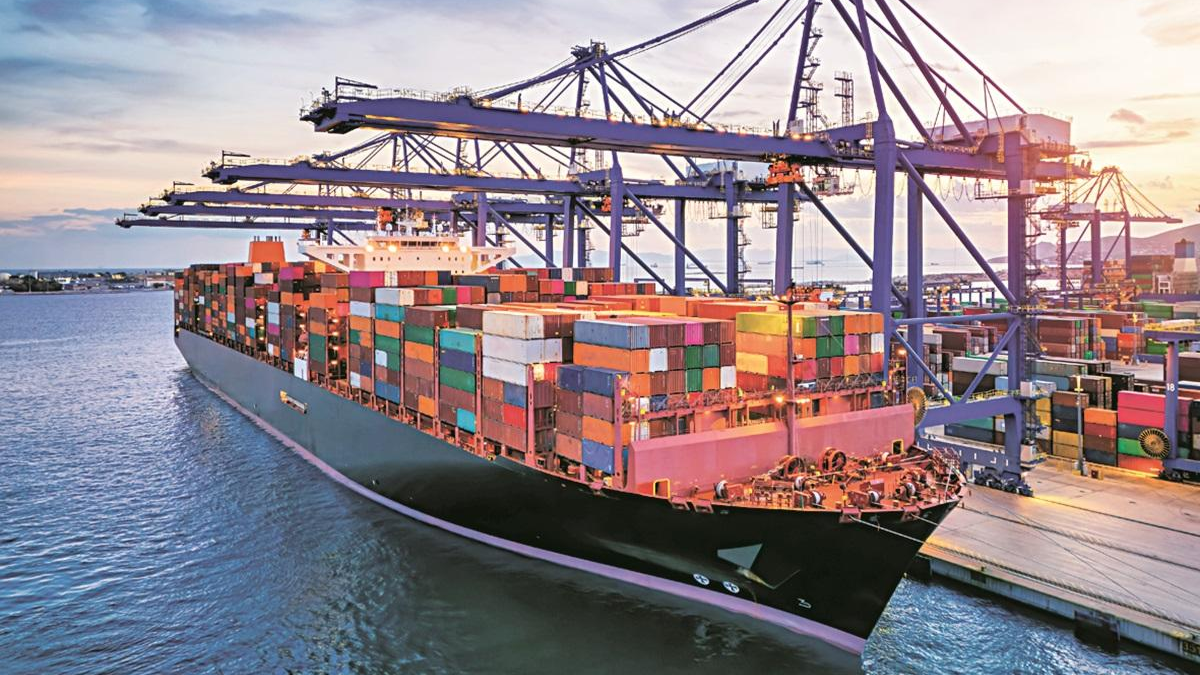
The report said India's export industry holds great potential for growth that could be unleashed through a well-thought-out reform package.
Earlier forecasts had projected that India's economy will expand more rapidly, with FY2026 GDP predicted at 6.5 per cent from a previous projection of 6 per cent, as boosted partially by GST reforms. Morgan Stanley reinforced the same sentiment, saying, "In our base case, India's GDP will grow at this rate over the next decade, one of the fastest-growing economies in the world."
The investment bank cited research that indicated every manufacturing export job creates two supporting jobs in transport and logistics.
Against this background, India is a huge potential to expand its share of the export market, which stands at 1.8 per cent—far less than its share of working-age population and GDP.
Morgan Stanley suggested a holistic agenda of reforms, such as accelerated infrastructure development in the public sector, especially for last-mile connectivity.
The report also highlighted the need for "a systematic process that encourages state governments to enhance the business climate and make sure the labour pool is sufficiently skilled."
Although recognizing the efforts currently being made by policymakers, the report mentioned that the magnitude of India's employment problem necessitates quicker responses.
In the next ten years, at least 84 million individuals are likely to join the workforce even if participation rates do not change.
"By the medium term, the immediate concern would be that AI would dampen employment growth opportunities, specifically for the IT services sector – which has been a prime driver of employment generation – and for the domestic services sector too," the report cautioned.
The study opined that in order to have a stable unemployment rate, there would need to be an average GDP growth of 7.4 per cent in case participation rates remain constant.
If we introduce a gradual increase in participation rate to 63 per cent, a 9.3 per cent average GDP growth is required to maintain an enduring unemployment rate," it further added.
Read also| Navratri Festive Sales Rise 23–25% in First Two Days Following GST Cuts: Report
Read also| Trump Announces 100% Tariff on Pharma Imports Starting October 1