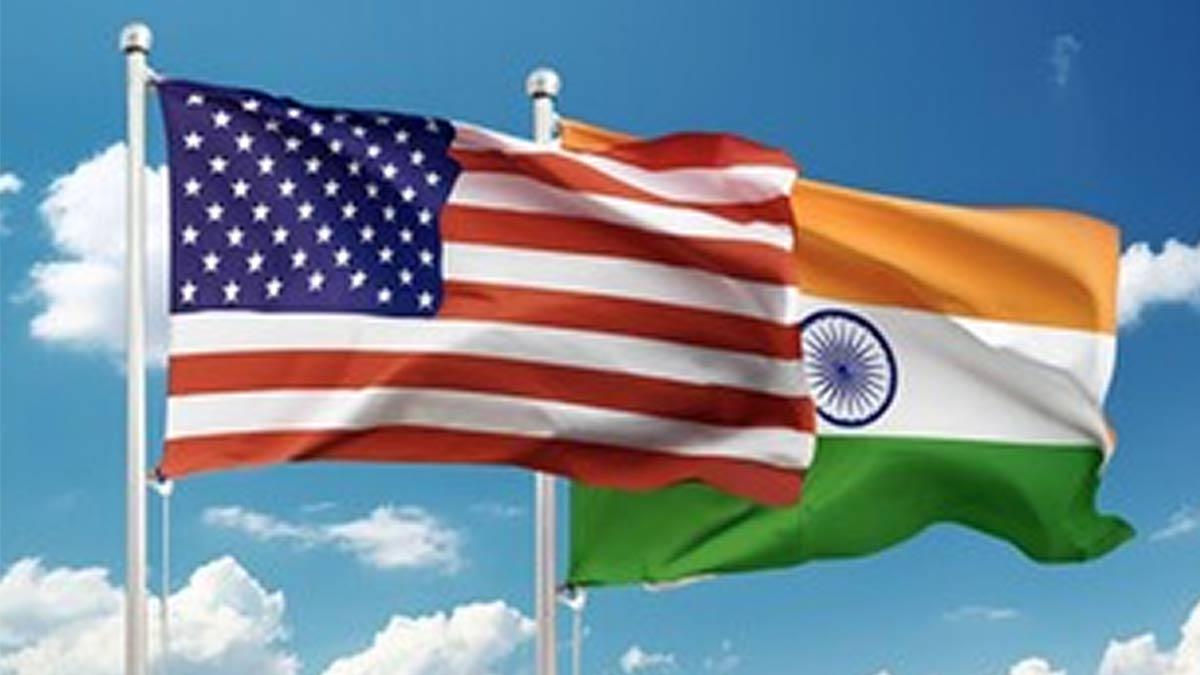


As worries grew after U.S. President Donald Trump raised a 25% tariff on Indian exports, India has stood firm in safeguarding its local interests—more so the interests of farmers, MSMEs, and the nation's low-cost energy needs, a report by Ventura said on Friday.
The newly imposed tariffs will become effective from August 1. The report says that India remains in negotiations with U.S. officials to seal a trade deal reflecting both countries' economic and strategic interests.
As the sanctions are to be put in place from August 1, India is still negotiating with the American counterparts to finalize a trade agreement," Ventura said, adding that the negotiations are going to resume in mid-August and the agreement is likely to be signed by October.
In this instance, the pain would be comparatively short-term with a better trade path," the report stated, inferring that while these current steps might create immediate difficulties, they won't upend India's overall trade picture.
The tariff announcement closely follows U.S. sanctions imposed on Nayara Energy, which is an Indo-Russian oil marketer and refiner. Unquantified penalties pertaining to India's continued imports of Russian crude oil and defense gear also complicate the dynamics of bilateral trade.
In spite of growing pressure, the report highlights that India has not yielded to external pressures. Unlike a number of countries which have acquiesced to Washington's position, India has held firm, upholding its economic resilience and long-term strategic independence.
Most importantly, India retains a competitive advantage—even under the new tariffs. Peer economies like Vietnam and China are hit with much higher levies from the U.S., a tariff rate of 46% and 54%, respectively.
While export flows might be disrupted in the near term, India can counter the blow by taking advantage of its increasing basket of FTAs. Recent FTAs signed with Australia, UAE, EFTA, ASEAN, and SAARC countries provide alternative channels for trade diversification, the report noted.
In addition, the tariffs do not include strategic sectors like pharmaceuticals, energy, and some electronic items, according to the initial tariff exemptions announced in April. This exemption is important relief while talks go on.
Even in a worst-case scenario, Ventura's calculations indicate that the total effect on India's GDP would be no more than 0.5%, highlighting the underlying resilience of the economy.
Historically, India has recovered from world shocks with even greater vigor. Whether it was the economic sanctions following the 1998 Pokhran nuclear tests, the global financial crisis of 2008, or the dislocations brought on by the COVID-19 pandemic, India has always bounced back stronger with better fundamentals and record-breaking market performance.
In the wake of the escalation of the Russia-Ukraine war, India has diversified its oil procurement strategy. Having imported crude from 27 nations prior to the war, it currently imports crude from 40 nations—reflecting its capacity to diversify supply chains quickly.
Similarly, India will have to reorient its export strategies, cutting dependence on the U.S. and tapping new foreign markets. The report is of the view that with recent free trade agreements and India's robust diplomatic outreach, India is poised to steer through these external challenges and seek new trade opportunities globally.
Read also| Piyush Goyal Vows Strong Response to Trump Tariffs to Safeguard National Interest
Read also| ED Summons Anil Ambani on August 5 in Alleged ₹17,000 Crore Loan-Fraud Probe