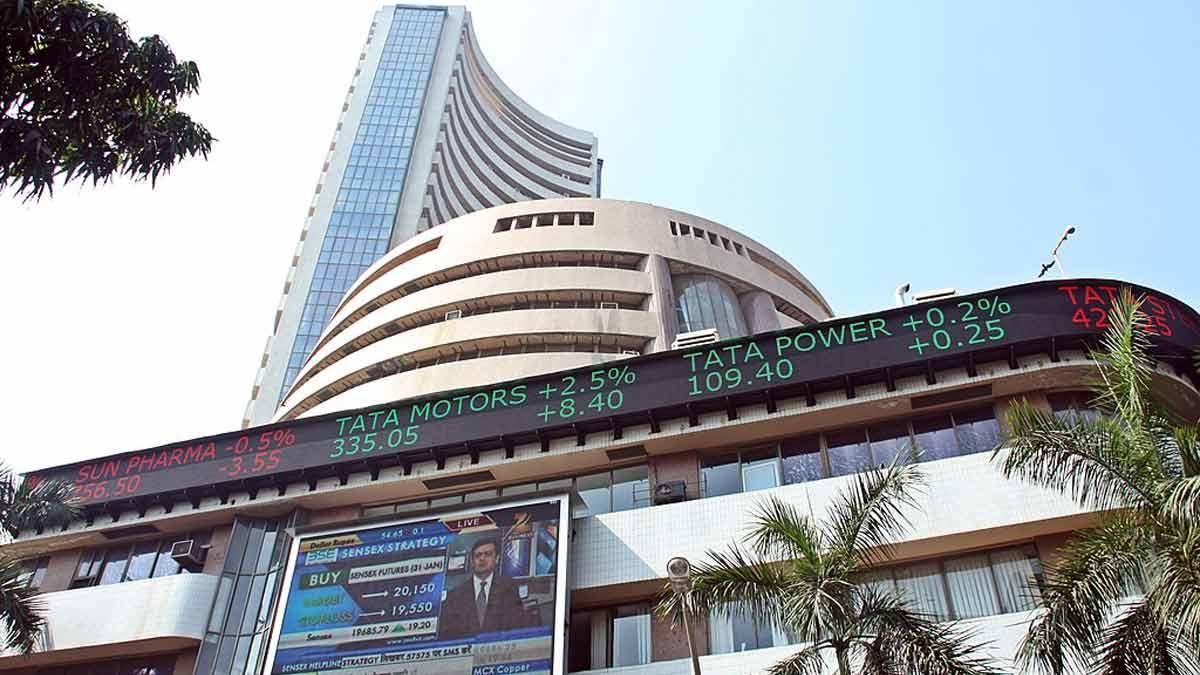


Indian equity markets finished the week with their worst fall in six months, reporting a sixth consecutive session of decline, propelled by worries over higher H-1B visa costs and the threat of US tariffs on pharmacy imports.
The Nifty and Sensex plunged about 2.5% and 2.54%, respectively, with selling pressure severely affecting IT and pharma stocks. Midcap and small-cap indices were even more susceptible, plummeting 4.38% and 4.27% during the week, indicating stretched valuations in these space.
Initial pressure on the IT sector was prompted by concerns over increased H-1B visa expense, and Indian drug stocks plummeted after US President Donald Trump imposed tariffs of up to 100% on branded and patented drug imports from October 1.
The Nifty erased last two weeks' gains and fell below its 20-week EMA, indicating a lower near-term trend. On Friday, the index lost 236.15 points to close at 24,654.70, just holding support in the 24,500–24,550 zone.
Analysts observed that selling is likely to continue unless the Nifty crosses the 24,750–24,850 resistance level. Sector fundamentals in banking, FMCG, and autos remain strong, driven by supportive domestic policies and macroeconomic stability despite short-term weakness.
"The sustainability of current market valuations will hinge on a clear revival in corporate earnings and the ease of India-US trade tensions," experts further added.
Meanwhile, the rupee remained under pressure as it weakened due to persistent FII outflows and increased geopolitical risks associated with US trade measures.
Market players are now closely following the upcoming US economic data, including employment and inflation numbers. Locally, the RBI policy decision and industrial production numbers will be decisive in framing market sentiment in the immediate term.
Read also| Finance Ministry projects India’s FDI inflows could surpass $100 billion in 2025-26
Read also| Navratri Festive Sales Rise 23–25% in First Two Days Following GST Cuts: Report