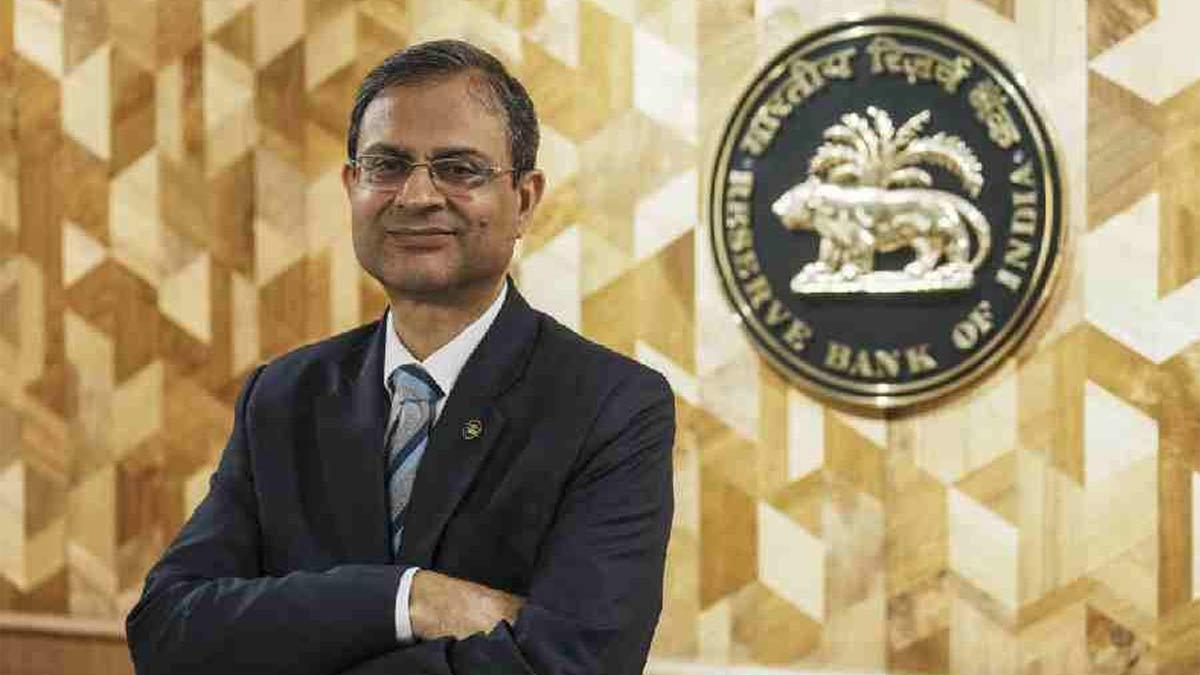


Reserve Bank of India (RBI) Governor Sanjay Malhotra on Wednesday said the Monetary Policy Committee (MPC) has unanimously decided to keep the repo rate at 5.5 per cent, going ahead with its "neutral" stance.
Malhotra said the decision was after a thorough consideration of the current economic conditions, especially the interrelationship between inflation trends and growth in the economy.
A policy that is neutral tells us that the central bank is not forcing liquidity into the system nor is it withholding it — a measured approach designed to keep inflation in check without dashing economic momentum.
Malhotra did admit that headline inflation has come down sharply over the last few months. But he warned that food prices, particularly vegetables, remained volatile. On the positive side, he said core inflation — which does not include food and fuel — has remained steady, around 4 per cent.
He referred to positive indicators for economic activity, mentioning a good monsoon and the festive season ahead as probable drivers for higher consumption and growth.
According to him, despite all global trade uncertainties, he remained optimistic about India's medium-term economic prospects. He explained, "The Indian economy is expected to post robust growth in the medium term amid the global trade uncertainty."
This upbeat forecast of the Governor comes contrary to a slowed economic expansion and heightened inflation pressure in many parts of the world.
In its last session on June 6, RBI cut the repo rate by 50 basis points — from 6 per cent to 5.5 per cent — and cut the Cash Reserve Ratio (CRR) by 100 basis points as a bid to spur lending and growth.
Since last February, the RBI has reduced the repo rate by a whole percentage point, but Malhotra pointed out that the full effect of this monetary loosening is still being channelled through the financial system.
Lower interest rates normally translate into cheaper loans from banks both for consumers and companies. This expansion in credit availability is supposed to push consumption and investment higher and hence spur economic growth.
But Malhotra warned that the success of these rate cuts is largely dependent on how effectively commercial banks transmit the lower rates to borrowers.
He concluded by reiterating the central bank's two-fold pledge to contain inflation and support economic revival, assuring that the RBI continues to be committed to "keeping the inflation rate in check and supporting growth with the acceleration in the easing monetary policy cycle.
Read also| Karti Chidambaram Supports India’s Strong Response to Trump’s Tariff Decision