

India is also having serious negotiations with the United States to seal a Bilateral Trade Agreement (BTA) in order to enhance trade, induce investment, and establish strategic economic relations between the two countries. Minister of Commerce Jitin Prasada assured this in a written response to the Lok Sabha on August 5.
The objective is to increase trade and investment and strengthen the commercial relationship to advance growth, national security, and job creation," Prasada said.
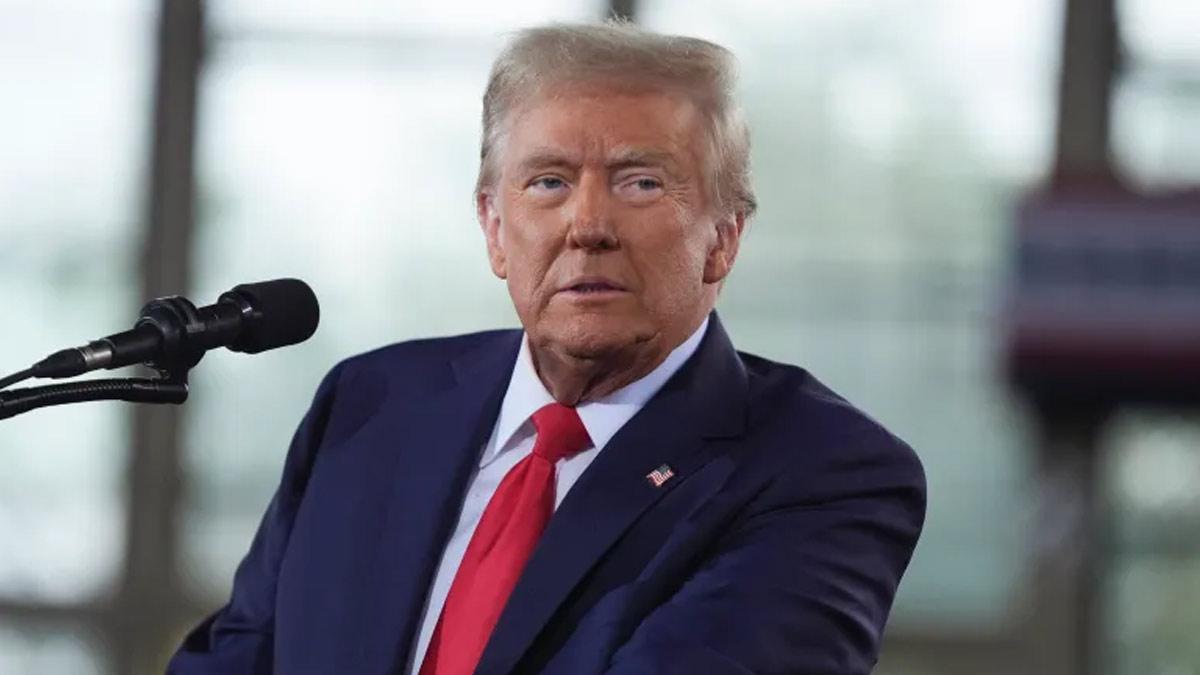
His remark was made only hours after New Delhi responded firmly to a tweet by U.S. President Donald Trump, who threatened to impose severe tariffs on India for buying oil from Russia. The President accused India of gaining economic advantage unfairly by continuing energy imports from Moscow amid the current war in Ukraine.
While the Trump administration has not outlined the details of the proposed tariff increase, the notice cited a possible "substantial" duty and penalty hike.
India and the U.S. have begun formal trade agreement negotiations in March 2025, and five rounds of negotiations were held since then—the most recent in July. But optimism about a limited or "mini" deal by the August 1 deadline was destroyed because negotiations were stuck on agriculture-related issues among others.
In his press release, Prasada pointed out the safety net available to India while negotiating international trade, underlining the fact that trade deals permit countries to guard sensitive sectors. "International trade agreements provide for the inclusion of sensitive, negative, or exclusion lists—clusters of commodities that get restricted or no tariff concessions," he said.
Prasada also clarified India's right to impose protective trade measures in the event of injury to domestic industries from import surges. "Besides, in the event of import surge and injury to the domestic industry, a nation is permitted to resort to trade remedial measures in the form of anti-dumping and safeguards on imports within the time limits mutually agreed to between the parties under FTAs," he added.
President Trump raised the stakes on July 30 by declaring a 25% tariff against India for its import of Russian energy and defence hardware, and an unspecified monetary sanction. The statement prompted a stern Indian response but is yet to be replaced by policy action in Washington.
Responding to the crisis from the agricultural perspective, Minister of State for Agriculture Ramnath Thakur reaffirmed the government's pledge to secure the nation's farmers and food security. "Farmers' livelihoods and interests, as well as issues related to food security, have always remained top priorities for the government while negotiating agreements with global partners, including the United States," Thakur stated.
The evolving trade talks arrive at a moment of heightened geopolitical sophistication, as India seeks to reconcile its strategic interests with both Western allies and historic partners such as Russia.