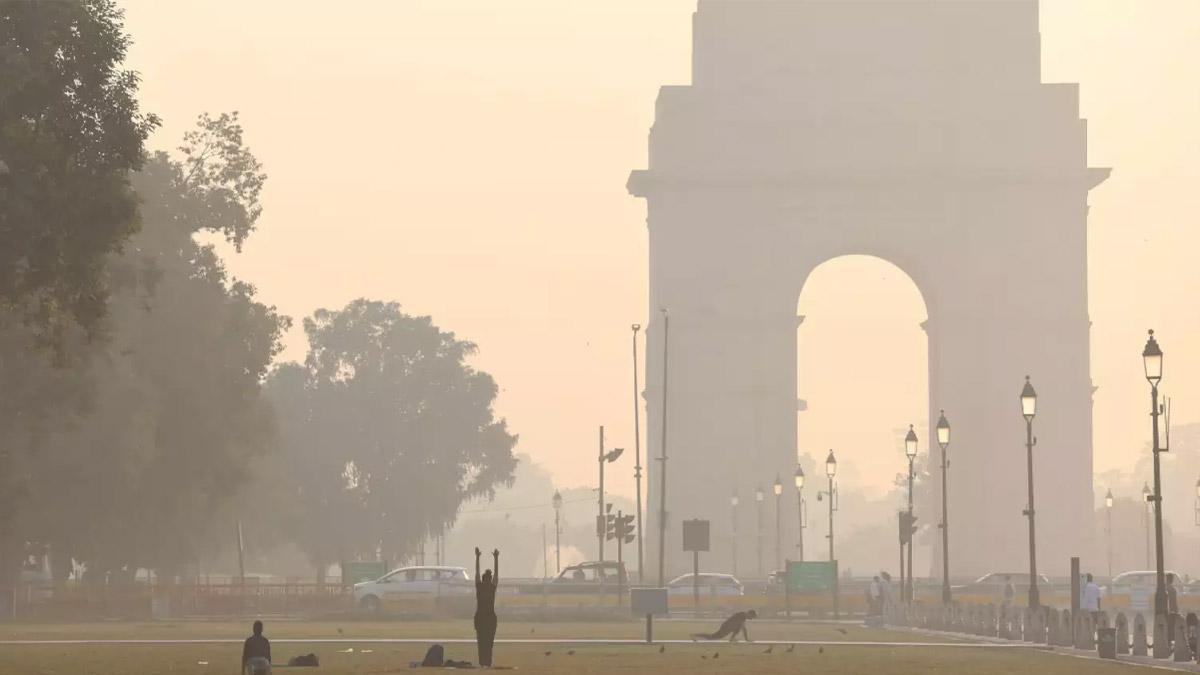


From January to June 2025, Delhi reported some of the worst air quality values in India, ranking it the second most polluted city in India, a mid-year review by the Centre for Research on Energy and Clean Air (CREA) released on Friday stated.
The capital had poor air quality on the majority of days, with 29 days falling under the 'very poor' category and three days under the 'good' category. The report also identified 63 days of 'moderate' air quality, 52 'satisfactory' days, and 31 'poor' days. For three individual days, air quality dropped to the 'severe' category.
Ranked India's 2nd dirtiest city, with PM2.5 pollution levels at twice the NAAQS at 87 µg/m³," CREA's findings documented.
The report further added that Delhi surpassed the World Health Organization's (WHO) yearly PM2.5 limit on January 10 and crossed India's National Ambient Air Quality Standard (NAAQS) on June 5. This indicates that, even with excellent air quality for the rest of the year, the average levels of pollution are already high enough to cross both WHO and national standards. CREA refers to such a moment as an “overshoot day,” where pollution has already accumulated beyond annual permissible levels.
Although restrictions like Delhi’s ban on old vehicles have helped manage emissions, the report pointed out that focusing solely on vehicular pollution ignores other major contributors.
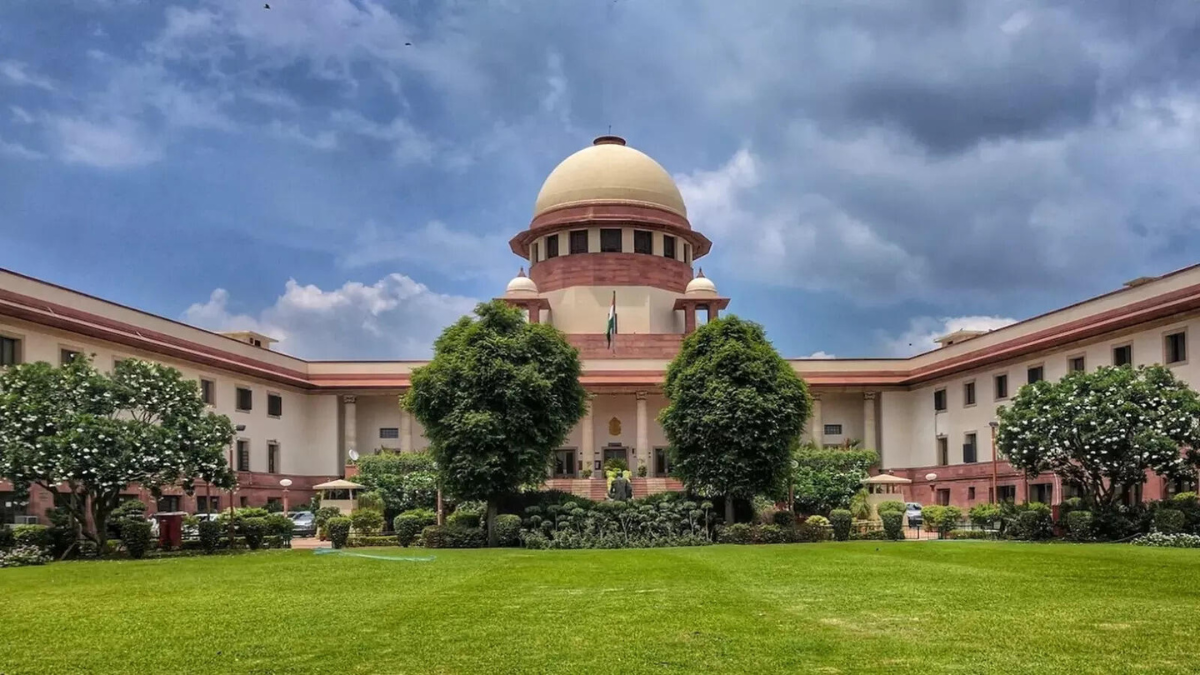
Despite unequivocal orders from the Supreme Court, the majority of thermal power plants in the Delhi region still do not have required pollution control equipment. As of mid-2025, only two of the 11 coal-fired plants that are 300 kilometres away from the capital, NTPC Dadri and Mahatma Gandhi plant, had a flue gas desulfurization (FGD) unit installed. The report deplored the patchy implementation of pollution laws, citing that while industries such as transport and agriculture are highly monitored, other polluting sectors remain unregulated.
CREA cautioned that short of overall measures aimed at all the key sources of pollution, piecemeal attempts such as traffic restrictions or off-season curbs will not have meaningful impacts on the quality of air.
Byrnihat Most Polluted, Aizawl Cleanest in India
As per the same study, Byrnihat—a border town between Assam and Meghalaya—was the most polluted city in the nation in the first half of 2025. Byrnihat reported an average PM2.5 level of 133 µg/m³ and 75 'very poor' days, followed by 38 'moderate', 27 'poor', and 13 'severe' days. It did not have a single 'good' air quality day.
At the other end, Aizawl in Mizoram was India's cleanest city, with a mean PM2.5 reading of only 8 µg/m³.
Other cities in the top ten cleanest were three from Karnataka, two each from Tamil Nadu and Uttar Pradesh, and one each from Manipur and Madhya Pradesh.
The top polluted cities list including Byrnihat and Delhi included a few others: Hajipur, Ghaziabad, Gurugram, Sasaram, Patna, Talcher, Rourkela, and Rajgir. Bihar contributed four cities, the maximum on this list, followed by Odisha with two, while Delhi, Assam, Haryana, and Uttar Pradesh contributed one each.
Large-Scale Non-Compliance with WHO Standards
CREA's mid-year review detected that 259 among the 293 Indian cities being monitored surpassed the WHO's yearly PM2.5 limit by June 2025. The report recorded monthly exceedances and, as of January, 107 cities had crossed the limit, followed by 114 in February, and then a trend towards fewer cities until only three were left in June. This trend indicates that air pollution is both year-round and widespread and not specific to certain hotspots.
In spite of continuous high pollution rates, most of these cities lie beyond the purview of the National Clean Air Programme (NCAP), constraining the scope for the formulation of sector-specific action plans to check emissions.
When put into perspective against India's own standards, the image is different. Three cities had crossed the NAAQS in the same timeframe—pointing towards the ineffectiveness of the current national standards in protecting public health. Of interest is that the NAAQS guidelines, established in 2009, have not been revised in more than 15 years.
The report concluded by calling for immediate updates to the old standards, suggesting a match with WHO's interim targets as a more accurate representation of global health priorities.
Read also| India’s 22-Year Transformation: NSA Doval Highlights Vision for 2047 Workforce Dominance