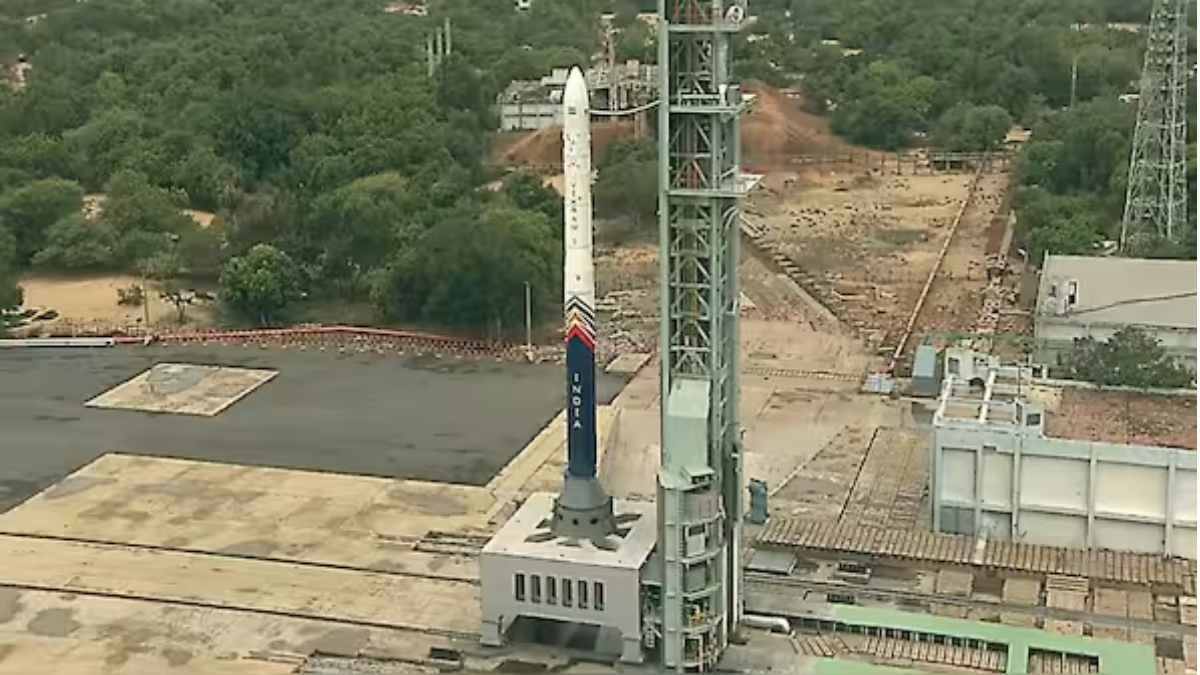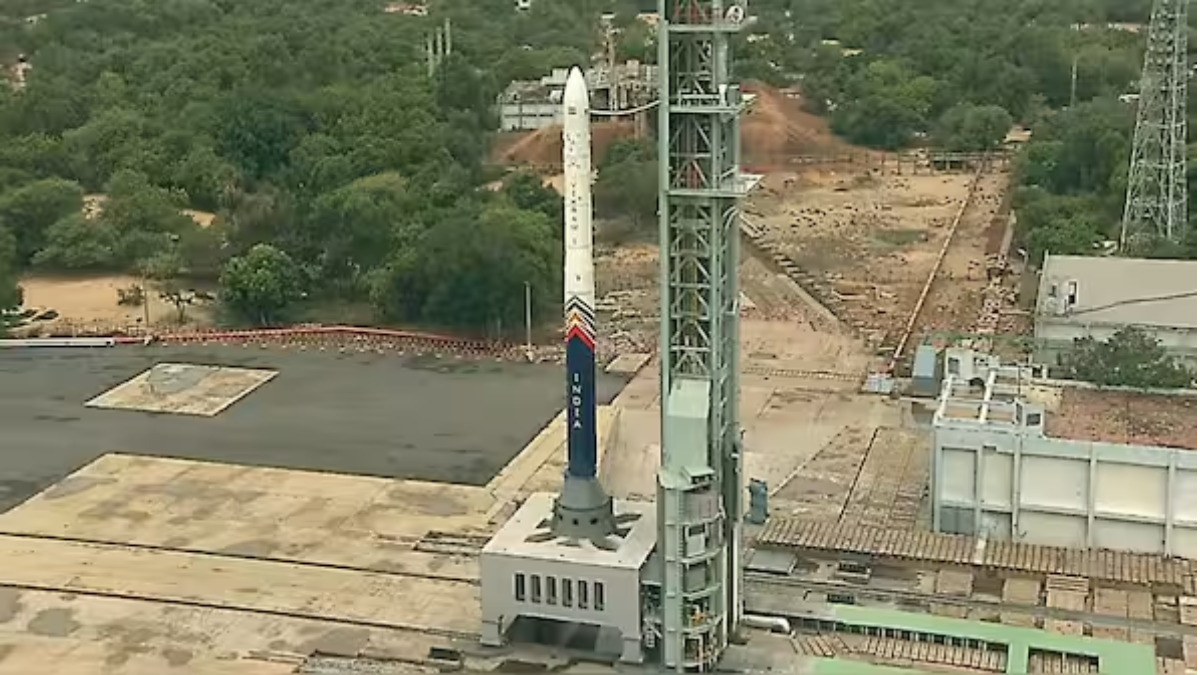
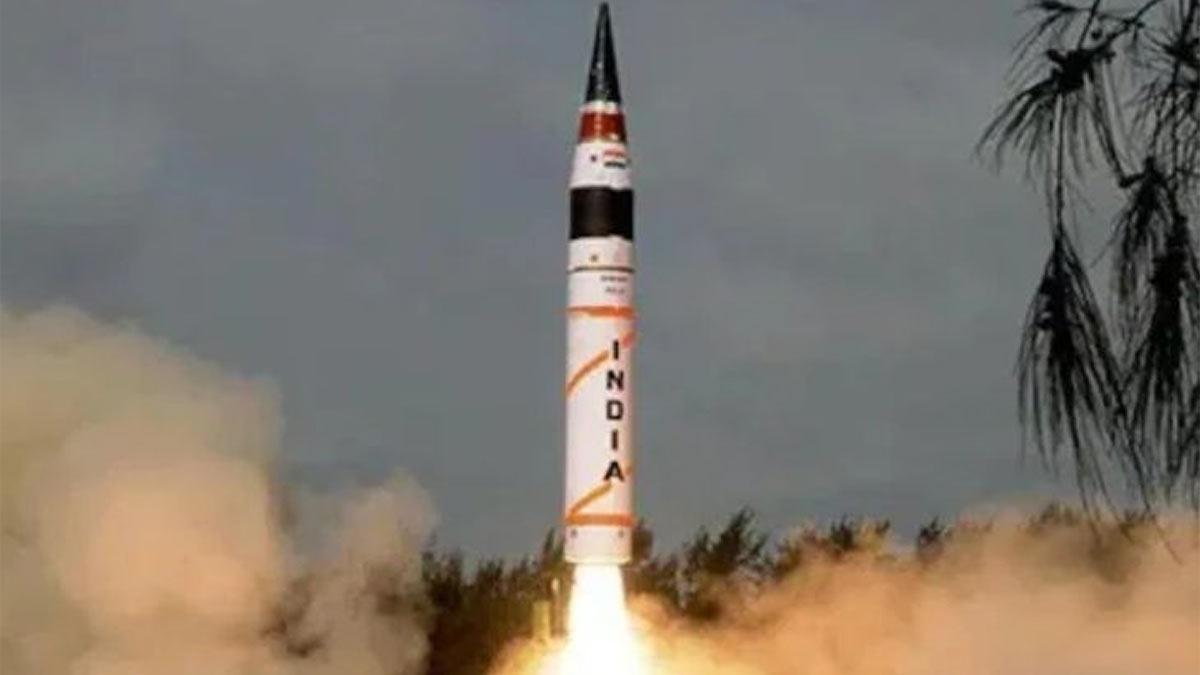


India on Thursday successfully conducted back-to-back trial firings of its Prithvi-II and Agni-I short-range ballistic missiles from the Integrated Test Range at Chandipur in Odisha.
Both missile systems attained their mission objectives, which further strengthened the country's nuclear deterrence posture, the Ministry of Defence said.
In a post on social media site X, the ministry said that the tests were conducted under the Strategic Forces Command (SFC), the command in charge of the deployment and exercise of India's nuclear capability.
"All operational and technical parameters were tested. The launches were carried out under the Strategic Forces Command," the ministry confirmed.
Based on Press Trust of India (PTI) reports, the Prithvi-II has a strike range of about 350 kilometers and can deliver payloads of up to 500 kilograms, covering both nuclear and conventional warheads. The Agni-I, on the other hand, has a longer strike range of 700 to 900 kilometers and can deliver a 1,000-kilogram payload.
Both missile systems are pillars of India's strategic arsenal and are critical to sustaining the country's nuclear posture.
Akash Prime Tested in Ladakh Following Operational Success
A related development was India's successful test-firing of the Akash Prime surface-to-air missile in the high-altitude Ladakh area on Wednesday. The upgraded version of the Akash system has been particularly designed for the Indian Army to function well at altitudes of above 4,500 meters.
The Ministry of Defence pointed out that the recent test comes after the "exceptional performance" of the Akash weapon system in Operation Sindoor, a recent large-scale military exercise.
The Akash Prime test was a landmark event, with the missile intercepting and destroying two high-speed aerial targets with ease under difficult high-altitude conditions. The system now uses a domestically developed radio frequency seeker, giving it greater accuracy and dependability in mountainous terrain close to the Line of Actual Control (LAC).
"Depending on operational feedback from users, a number of enhancements were introduced to enhance the missile's performance," the ministry said, highlighting the advantage of India's developing indigenous defence manufacturing ecosystem.
Defence Minister Rajnath Singh congratulated the Indian Army, Defence Research and Development Organisation (DRDO), and Indian defence industry on the successful tests. He described the tests as a reflection of India's indigenously developed defence capabilities and operational preparedness.
Read also| US Media Reveals Air India Captain’s Final Cockpit Conversation Before India Crash
Read also| India Warns NATO Chief Against ‘Double Standards’ on Sanctions Over Russia Trade