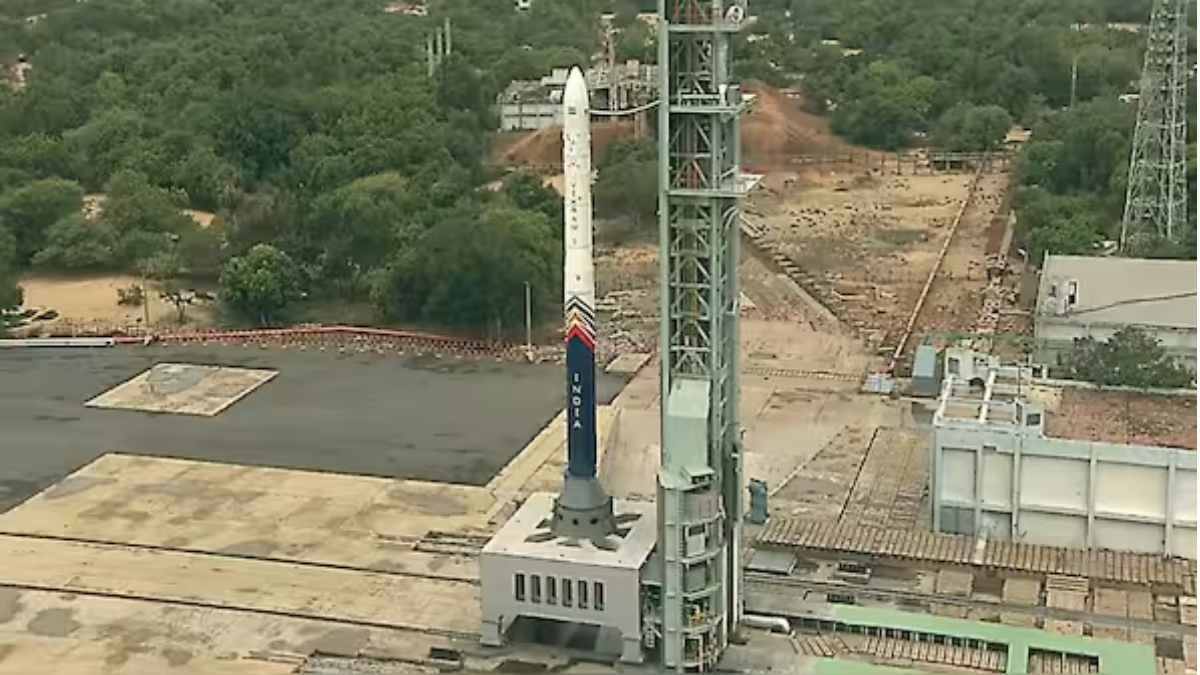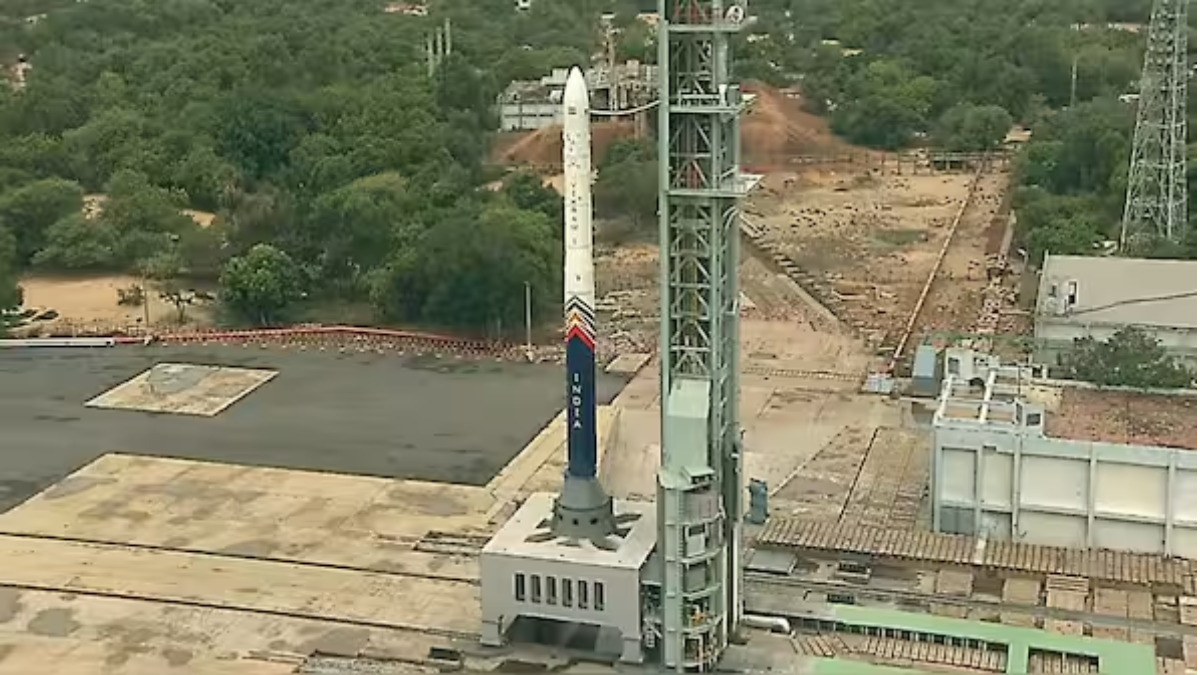
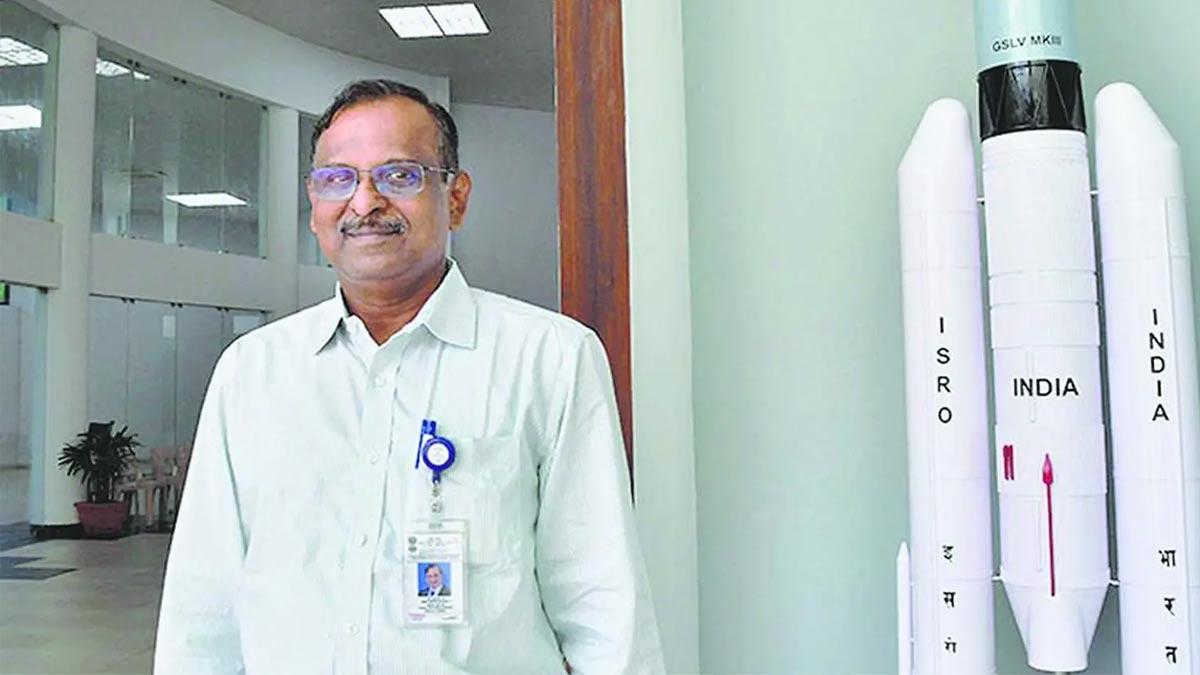


The Earth Observation Satellite jointly built by Indian Space Research Organisation (ISRO) and National Aeronautics and Space Administration (NASA) will be launched on July 30, announced ISRO Chairman Dr. V. Narayanan today. The satellite will be launched on the GSLV-F16 rocket of India.
Addressing the press at Chennai International Airport, Dr. Narayanan explained that the satellite will be injected into orbit at a height of 740 kilometers and is fitted with state-of-the-art radar imaging capability.
“This high-tech satellite is capable of capturing Earth’s surface images round the clock, even in cloudy or rainy conditions. It will significantly aid in disaster management, detect landslides, and track climate change. The data will benefit not just India and the U.S., but the global community,” Dr. Narayanan stated.
Progress on Aditya-L1 and Gaganyaan Missions
Giving updates on some of the other space missions, Dr. Narayanan mentioned that ISRO's solar mission, Aditya-L1, with a scientific payload weighing 1.5 kg, has started transmitting solar data. Scientists are currently studying the data to learn more about solar activity.
He also mentioned important updates on the Gaganyaan mission, India's first human spaceflight program. Three unmanned flights are planned before the manned launch.
Initially, the first test vehicle, which is being prepared at Sriharikota now, will have a humanoid payload and will be launched this December. If the test flight is successful, two more test flights will be conducted in 2026. The manned mission is scheduled for March 2027, the Prime Minister announced," he added.
Chandrayaan-4 and Chandrayaan-5 Lunar Missions
Coming to the exploration of the Moon, Dr. Narayanan was upbeat about the soon-to-be-launched Chandrayaan-4 mission, which will be landing on the Moon and bringing back samples of soil. He referred to it as a landmark mission for India's lunar programme.
He also spoke about Chandrayaan-5, a joint venture with Japan, which is slated to function on the Moon for 100 days. Both these missions are based on ISRO's long-term strategy of exploring deep space.
Satellite Management and National Goals
At present, ISRO is monitoring 55 satellites, and a plan to reorganize them into three functional categories within the next four years is in the making to ensure improved efficiency.
Dr. Narayanan emphasized that ISRO's research and development aspirations are in tandem with national interests.
"Our attention is to meet the requirements of the people throughout the nation, irrespective of area or state," he reiterated.
Read also| Indian Army Honors 26th Kargil Vijay Diwas with Pride & Gratitude
Read also| Operation Sindoor Strikes Sent Clear Message to Pakistan, says Army chief Upendra Dwivedi