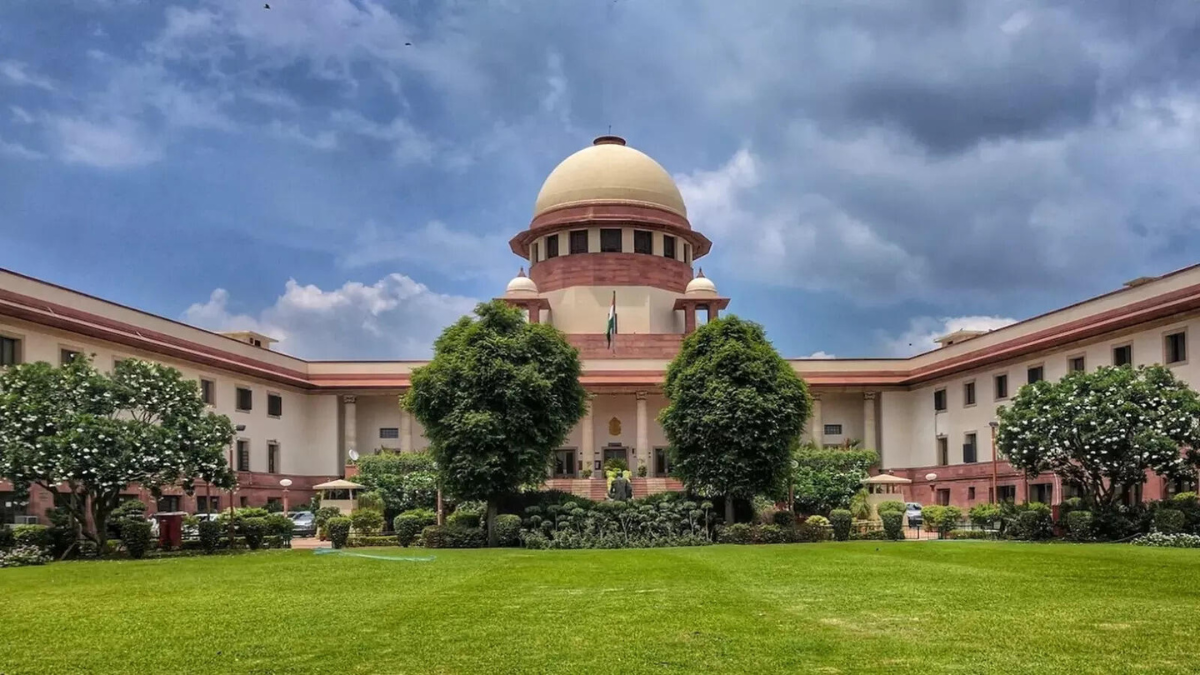



In a landmark judgment, the Karnataka High Court on Wednesday passed its verdict in the case of Elon Musk-owned social media company X Corp, formerly Twitter Inc, versus Union of India. The case was based on free speech and claims of unbridled censorship.
The Court highlighted the need for regulation of social media and upheld the Centre's powers, under the Sahyog Portal, to block content in such a situation.
The Bench, which was headed by Justice M. Nagaprasanna, made the order, saying that social media has to be regulated and turning down X Corp's objection to joining the Sahyog Portal as unfounded.
The Court pointed out that "unregulated speech under guise of liberty results into lawlessness."
Moreover, the High Court turned down X Corp's request for a declaration that Section 79(3)(B) of the Information Technology Act does not authorize the Centre to pass information-blocking orders.
Justice Nagaprasanna while delivering the verdict stated, “The content on social media must be regulated and its regulation is a must, more so in cases of offences against women in particular, failing which right to dignity as ordained in the Constitution gets railroaded.”
“From Messengers to WhatsApp and Instagram, all forms of communication have always been regulated, globally and locally. Except for Indians, no one could have the right to freedom of speech. Even in the United States, restrictions have been imposed on X. The Central government cannot impose any control over the use of the Sahyog Portal,” the Bench stated.
Senior advocate K.G. Raghavan appeared for X Corp, whereas Solicitor General Tushar Mehta and Additional Solicitor General Arvind Kamath appeared on behalf of the Union of India.
X Corp had moved a writ petition in March, requesting an interim direction to protect itself against what it called "coercive actions."
The “Twitter vs. Union of India” matter, also known as X Corp vs. Union of India, was a legal battle before the Karnataka High Court where Elon Musk-owned X Corp sought a court order against the Indian government’s alleged misuse of the IT Act to censor content and block accounts, particularly regarding the Sahyog Portal. X has called this portal a “Censorship Portal”.
At the center of the issue was X Corp's argument that these actions violated free speech, undermined its business model, and sought to circumvent existing legal processes, essentially building an unregulated censorship system.
Specifically, X Corp questioned the government's reliance on the Information Technology (IT) Act, such as orders made under Section 69A and the claimed abuse of Section 79(3)(b).
This law dispute is not unprecedented. In 2022, X Corp had challenged Section 69A orders that withheld full accounts, but the Karnataka High Court had confirmed the government's powers.
The petition also claimed the government instructions included directives to take down posts made by opposition leaders and critics, and that this erodes the intermediary status of X Corp.
The firm argued that these actions are a direct effort to create a system of censorship free from the proper legal procedures and without supervision.
At the same time, the government's lawyer argued that authority to block information on the internet is defined under Section 69A, which makes restrictions possible to safeguard sovereignty, security, public order, and to avoid incitement of offences.
In a March 17 hearing, Justice M. Nagaprasanna allowed X Corp to go to the Court in case the government took any "precipitative action" against it.
The government, in proceedings, made it clear that no punishment has been put in place yet on X Corp for its reluctance to register on the Sahyog Portal.
Read also| 8 Bombs Dropped by Pak Air Force Kill 30 in Khyber Pakhtunkhwa Village
Read also| Russia Set to Complete S-400 Missile System Deliveries to India by 2026