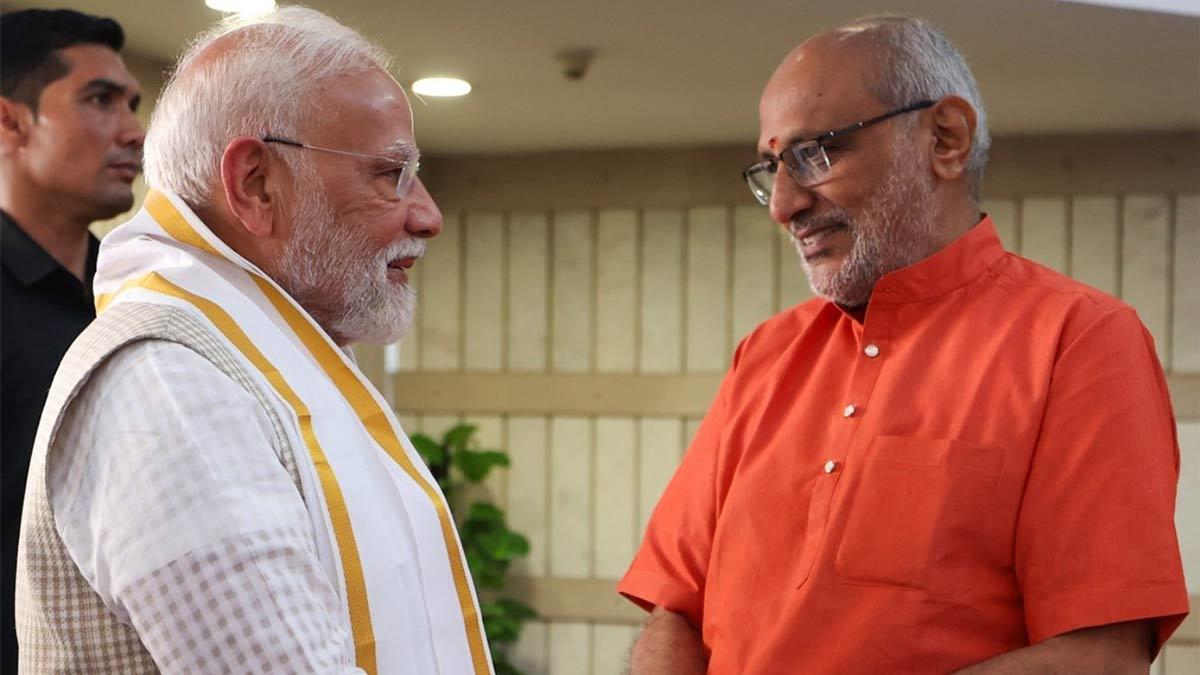


C. P. Radhakrishnan, the National Democratic Alliance (NDA) candidate, has been elected as the 15th Vice President of India.
In a fight against the Indian National Developmental Inclusive Alliance (INDIA) nominee, retired Justice Sudarshan Reddy, Radhakrishnan polled 452 votes while Reddy polled 300.
The majority mark was fixed at 377, which Radhakrishnan easily breached, reflecting the strength of the NDA in terms of numbers in Parliament and the cohesion of its allies.
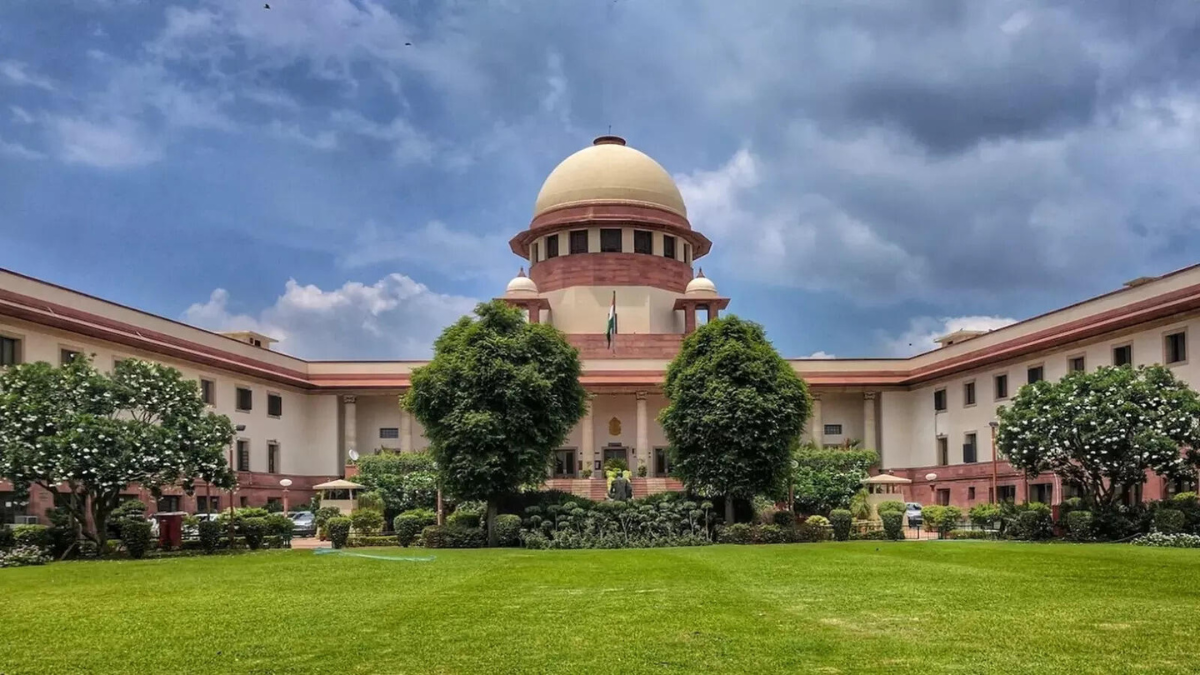
According to the Election Commission of India (ECI), 767 members of Parliament voted. Of these, 752 votes were valid and 15 invalid. The polling was conducted in Parliament House, in Room No. F-101 (Vasudha), from 10 a.m. to 5 p.m., under the supervision of Rajya Sabha Secretary-General and Returning Officer P. C. Mody. Counting began at 6 p.m.
The voter turnout was strong, with 96 percent of MPs voting. Prime Minister Narendra Modi led the way in casting his vote, followed by Union Ministers Kiren Rijiju and Arjun Ram Meghwal. Top leaders including Rajnath Singh, Amit Shah, Shivraj Singh Chouhan, and Nitin Gadkari were also present. Some of the notable MPs included former Prime Minister H. D. Deve Gowda (who is 92 years old), Congress leaders Rahul Gandhi, and Priyanka Gandhi Vadra.
Baramulla MP Sheikh Abdul Rashid, popularly known as Engineer Rashid, was taken into custody was accompanied under strong security to vote.
Thirteen members, including some of the regional parties such as the Biju Janata Dal (BJD), Bharat Rashtra Samithi (BRS), Shiromani Akali Dal (SAD), and some Independent members, abstained. Party sources said these parties wished to highlight their regional agendas and stay equidistant from both NDA and the INDIA alliance.
The opposition had projected the contest as an “ideological battle,” claiming that all 315 of its MPs voted. Nonetheless, Radhakrishnan’s win has been attributed to the NDA’s cohesive strategy and Prime Minister Modi’s meticulous attention to detail. A BJP MP remarked that the Prime Minister had ensured every member of his party was well-briefed about the voting procedure.
The ECI had issued the notification for polls on August 7. The nominations were due on August 21, and scrutiny was conducted on August 22 in the presence of representatives of both sides. By August 25, two nomination papers valid in every aspect stood confirmed since there were no withdrawals, and so the election was scheduled on September 9.
Radhakrishnan will take oath on Wednesday, in the presence of the President of India, both Houses of Parliament members, and other constitutional figures. His five-year term will end in 2030 unless the position becomes vacant earlier.
He will also be the ex officio Chairperson of the Rajya Sabha and, in the event of a vacancy, Acting President as provided under Articles 67 and 71 of the Constitution.