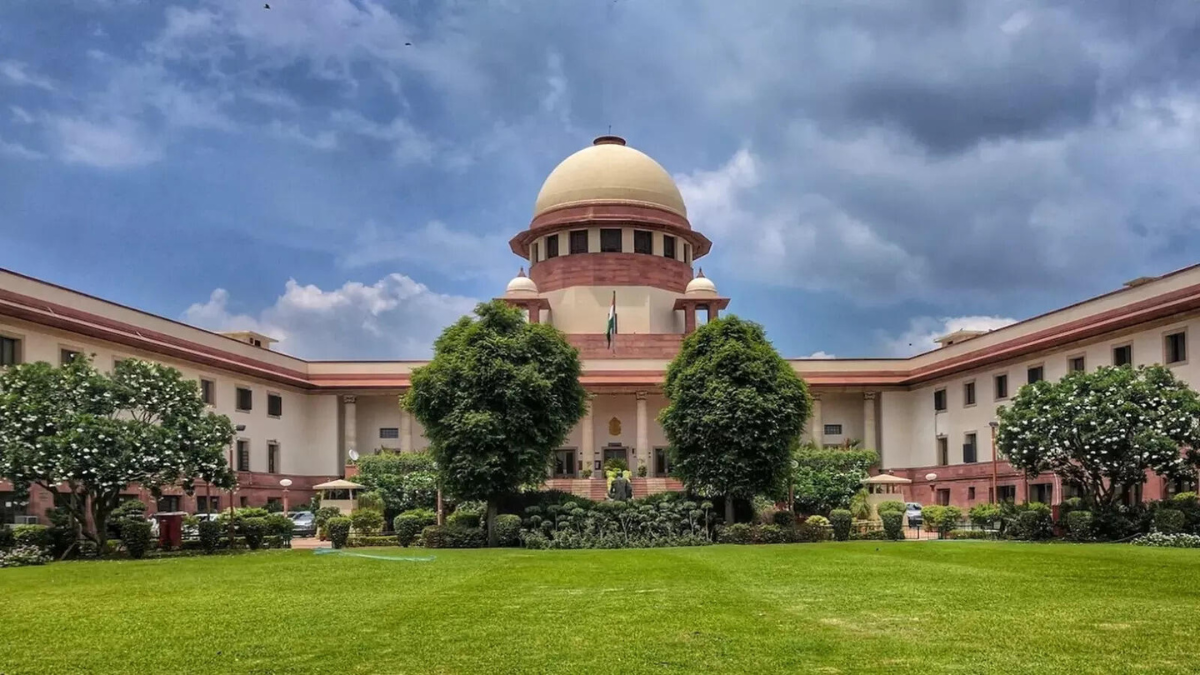
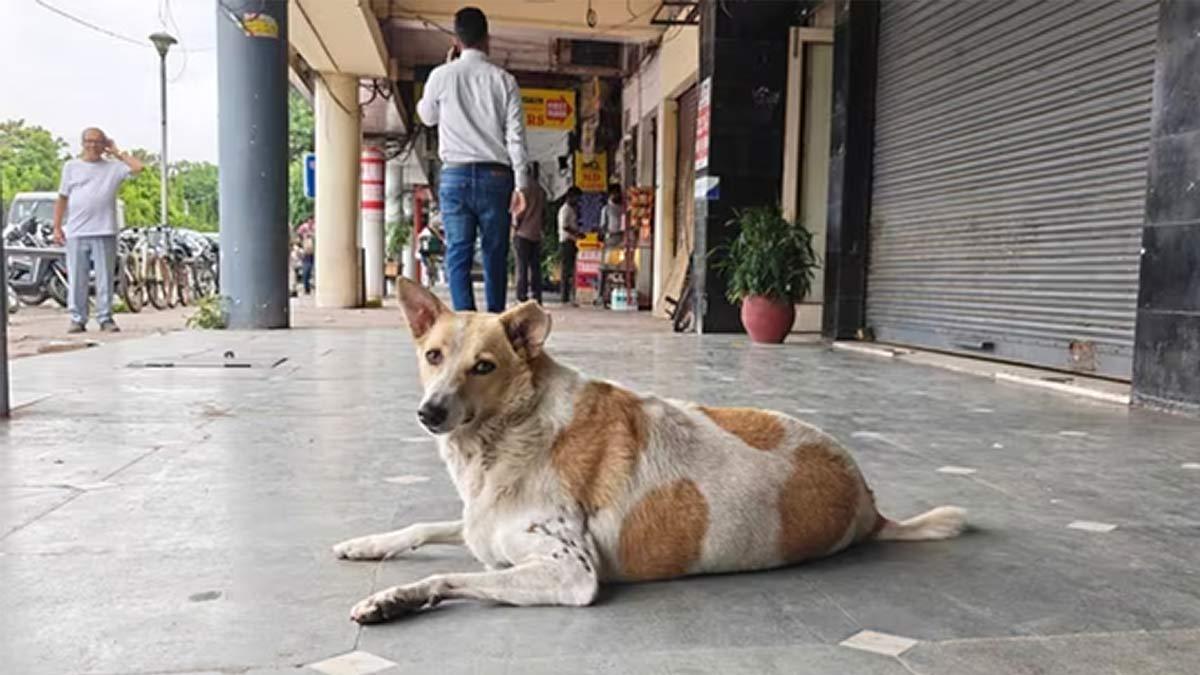


The Supreme Court on Friday amended its previous ruling on how stray dogs were to be controlled, clarifying that captured animals under its August 11 order would be released after sterilization and immunization, with the exception of those carrying rabies or having aggressive tendencies.
The earlier two-judge bench had banned the release of captured strays and issued warnings of contempt action if any directions were violated; the latest ruling eliminates that ban, representing a significant change in the temporary framework.
A three-judge bench of Justices Vikram Nath, Sandeep Mehta, and NV Anjaria expanded the scope of the case beyond Delhi-NCR, with the order to treat the case as a pan-India case.
It is still an interim order. We have widened the scope pan-India and have sent notices to all states and UTs, notices to concerned departments, as there are different similar cases pending before this court so that a national policy could be drafted to address the issue. We have proposed some changes in the earlier order," Justice Nath read out the operative portion of the order in court.
The bench included all Union Territories and states as parties and said that it would direct similar petitions pending before different high courts to implement a standard national policy for stray dog control.
The court reaffirmed that Delhi, Noida, Ghaziabad, Gurugram, and Faridabad municipal authorities will have to go on with mass capturing stray dogs and organize shelters or pounds for their relocation. Periodic reports on such infrastructure in NCR are to be filed before the court.
The bench, however, amended the August 11 order by permitting release of sterilised and immunised stray dogs, barring those that are rabid or aggressive.
Meanwhile, municipal authorities have also been directed to identify specific feeding grounds in each ward, which will not be allowed to be fed in public. "If violated, they will be proceeded under law," the order added. Helpline numbers are also to be installed for giving information of violations. The court cautioned that obstruction of municipal work by citizens or organisations would lead to proceedings, with NGOs or animal activists found obstructing work liable to pay ₹25,000 as costs.
Pet lovers interested in adopting stray canines can now approach municipal corporations with their adoption proposals.
The August 11 directive, which was passed by Justices JB Pardiwala and R Mahadevan, had mandated municipal bodies in Delhi and the neighboring cities to catch all stray dogs within eight weeks and keep them in specially assigned shelters without releasing them back. Officials were ordered to construct shelters for a minimum of 5,000 animals in the same period. A specific directive on August 13 reinforced the orders while describing welfare protections. But the actions provoked intense criticism from animal welfare organizations, who expressed fears about cruelty and breaches of law.
In response to criticism and renewed appeals with regard to clashes with the Prevention of Cruelty to Animals Act and Animal Birth Control (ABC) Rules, Chief Justice of India Bhushan R. Gavai transferred the case from the bench of Pardiwala to the three-judge bench headed by Justice Nath. The broader bench considered the case at length on August 14 before reserving judgment.
While hearing the case, the court rebuked the Delhi government and municipalities for not implementing their own regulation for stray dog control. "You enact rules and regulations but don't enforce them," said the bench, adding that both human safety and animal welfare were at stake. It questioned the Delhi government if it had the intention of adhering to the statutory scheme.
Delhi government counsel Solicitor General Tushar Mehta pointed to "shocking" cases of child mutilation and death caused by dog bites and urged the need for urgent measures to ensure public safety. He emphasized that dogs cannot be killed but must be humanely separated, sterilised, and treated.
Senior lawyers Kapil Sibal on behalf of NGO Project Kindness, Abhishek Manu Singhvi, Sidharth Luthra, and other lawyers on behalf of animal welfare organizations argued the August 8 directions were illegal and impracticable. They said the ABC Rules require sterilization and vaccination followed by releasing dogs back to their areas, not large-scale removal to shelters. They cautioned against a hasty operation with inadequate facilities leading to cruelty and referred to government statistics showing no recent fatalities due to dog bites in Delhi, challenging MCD's grounds for action.
Additional Solicitor General Archana Pathak Dave reassured the bench on August 14 that the Delhi government would abide by whatever orders the court might finally give.