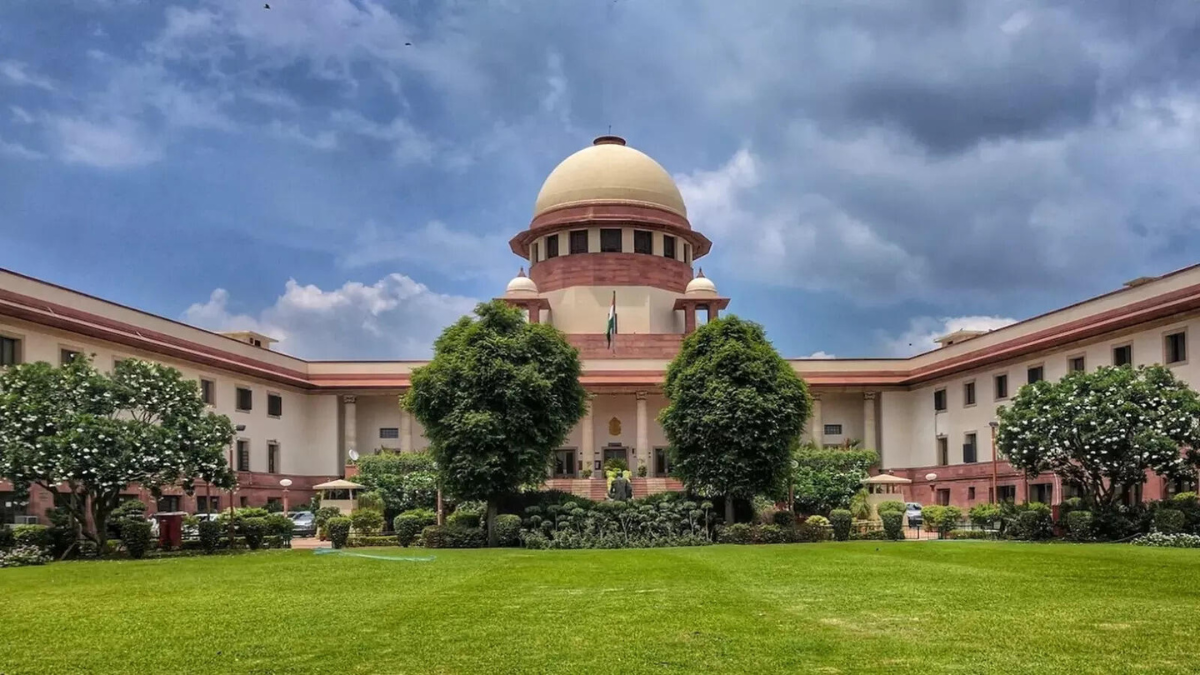
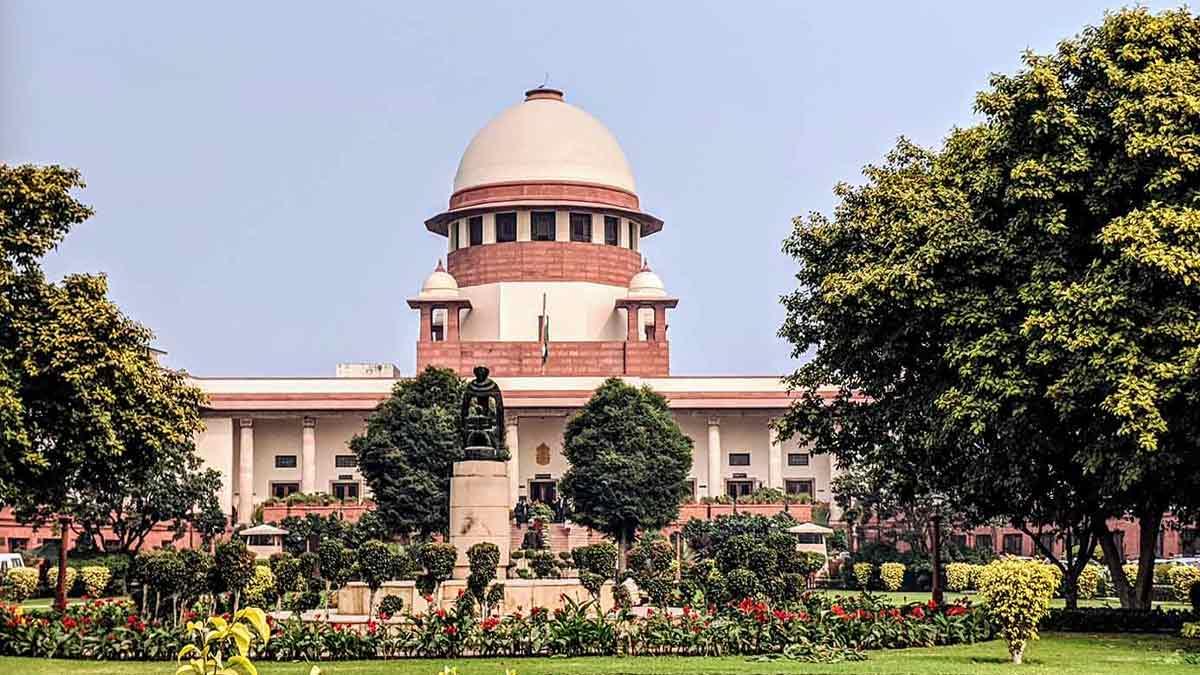


The Supreme Court on Monday refused to suspend the Waqf law completely, observing that there is a "presumption" of constitutionality in its favour. Yet, the court suspended some provisions, one of which says only those who have practised Islam for five years are eligible to form a waqf.
Granting an interim order, a bench headed by Chief Justice B. R. Gavai and Justice Augustine George Masih noted, "We have considered prima facie challenge to each of the sections and found no case was made out to stay the entire statute."
Though declining to suspend the whole law, the bench suspended the provision limiting the formation of a waqf to individuals who had been practising Islam for five years. It also put in abeyance the clause empowering an official appointed by the government to resolve disputes on whether waqf properties intruded upon government land.
Chief Justice Gavai said, "We have held presumption is always on constitutionality of statute and in rarest it can be done. We have found that the whole Act is challenged, but the basic challenge was sections 3(r), 3C, 14,."
On the issue of appointments, the court ruled that, as much as possible, the Chief Executive Officer of a Waqf Board must be a Muslim. Meanwhile, it refused to stay the amendment allowing for the appointment of non-Muslims as CEOs. The bench also made clear that non-Muslims on state waqf boards or the central waqf council should not be more than three.
The comprehensive judgment remains pending.
The ruling follows after the highest court had reserved its order on May 22 on three key questions, including jurisdiction to denotify properties recognized as "waqf by courts, waqf-by-user or waqf by deed," which were raised during hearings of petitions challenging the validity of the Waqf (Amendment) Act, 2025.
Read also| Supreme Court Proposes Nationwide Firecracker Ban: Beyond Delhi, Where ‘Elites’ Are