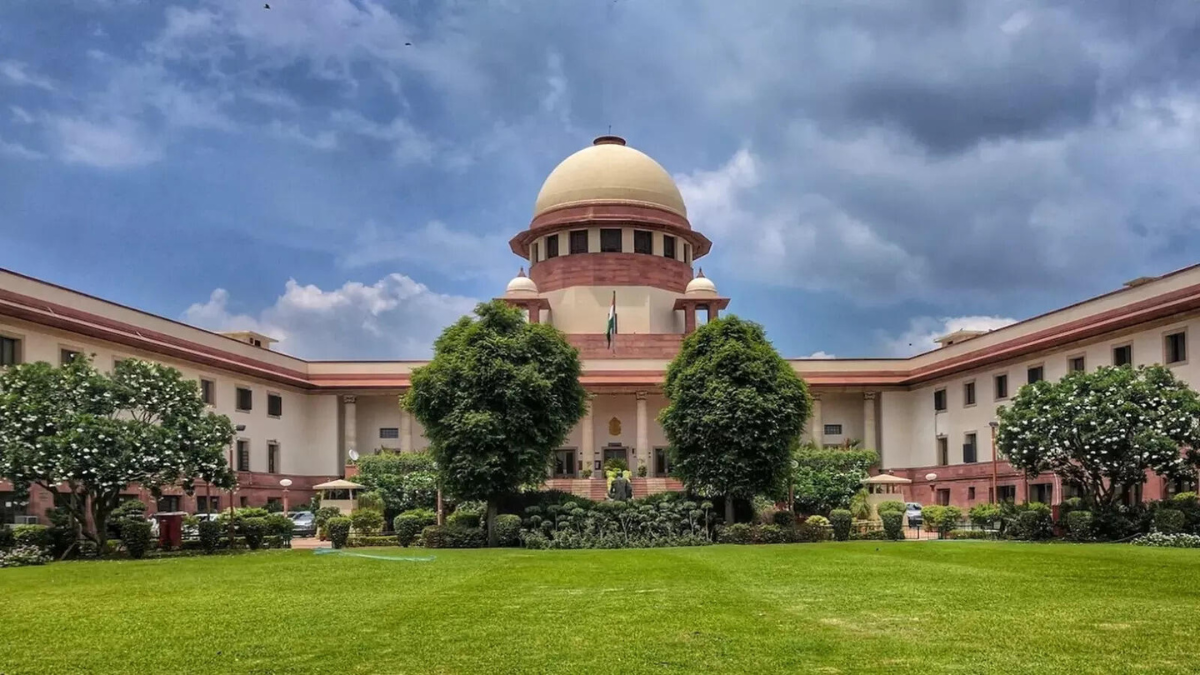
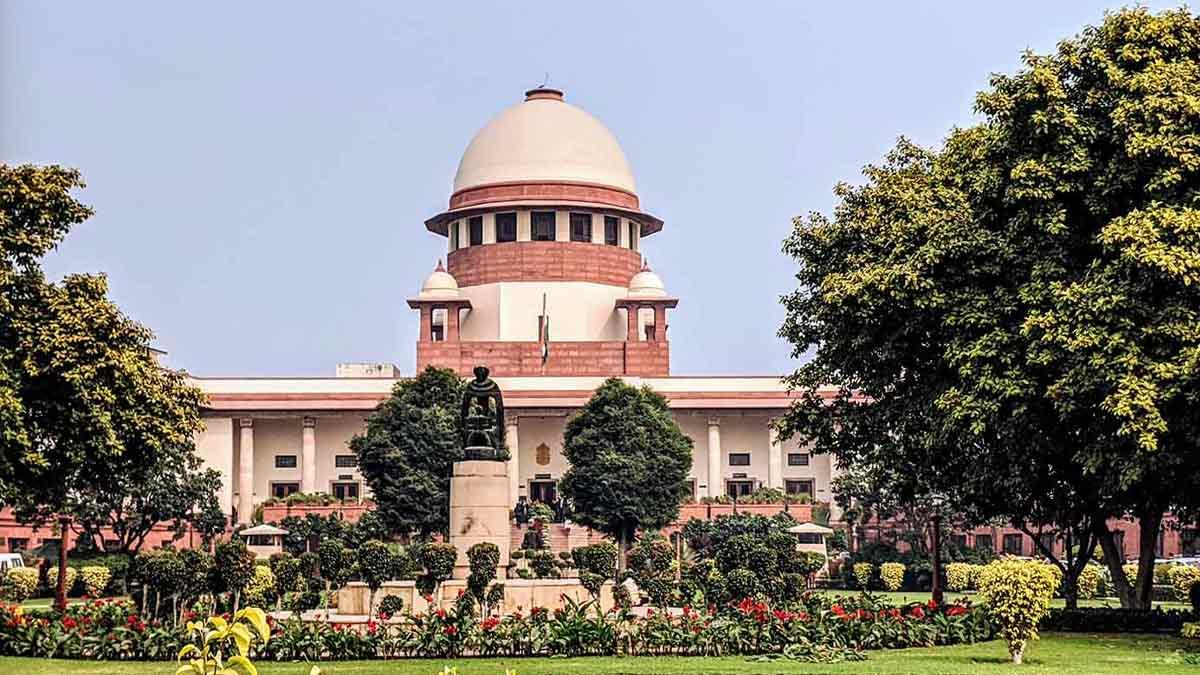


Supreme Court on Monday instructed the Election Commission to accept Aadhaar as valid identification, along with the existing list of 11 documents already accepted for voter re-verification before the Bihar Assembly elections later this year.
In an oral order passed in court, a bench of Justice Surya Kant and Justice Joymalya Bagchi held that Aadhaar cards must be made the 12th document to authenticate a person's identity for inclusion or exclusion in the electoral roll.
The court rejected a plea by senior counsel Rakesh Dwivedi, appearing on behalf of the Election Commission, that 99.6% of the 7.24 crore electors listed in the draft roll had already furnished valid documents and the introduction of Aadhaar now would amount to little use.
Conceding the Election Commission's previous apprehension that Aadhaar cards might be replicated and thus not ideal for identification purposes, the court made it clear that the election authorities could "verify the genuineness of the card" but reinforced that it could not be used as evidence of citizenship.
This ruling followed a previous remark delivered in July, where it had been said that the threat of fraud—upon which the EC had based the refusal of acceptance of two other ID cards—could be used in relation to any of the 11 existing accepted documents. The court also asked the poll panel for an explanation of notices served on officials who had refused to accept Aadhaar cards from voters.
The top court is hearing several petitions challenging the Election Commission’s ‘special intensive revision’ (SIR) of the Bihar voter list, conducted months before the state elections.
Opposition parties such as the Congress and Rashtriya Janata Dal (RJD) under the Mahagathbandhan alliance argue that the SIR is a strategy to disenfranchise huge numbers of voters belonging to their community of traditional support. Congress has also charged "collusion" between the ruling BJP and the Election Commission to enable fraud in votes.
The Election Commission, on the other hand, insists that the SIR is within legal and constitutional parameters and that the re-verification of voters was done in a transparent manner. The EC further added that the exercise served to reveal illegal voters, which include Nepali and Bangladeshi citizens who are not entitled to vote in India. The court recognized this aspect, stating, "nobody wants inclusion of illegal immigrants in electoral roll… only authentic citizens should be entitled to vote."
The court also added that those who bring fake documents to establish Indian citizenship must be denied inclusion in the electoral roll, and pointed out that Aadhaar was not accepted before as a document to appeal such denial.
In the August 22 hearing, the Supreme Court brought 12 political parties into the hearing and requested that they present reports on actions taken to help deleted voters. On September 1, in hearing extensions of deadlines, the court was advised that claims, objections, and corrections to the draft roll could still be lodged past September 1 but would be entertained once the final roll is released.
The court termed confusion over Bihar's SIR as "largely a trust issue" and asked the state legal services authority to use paralegal volunteers to facilitate the claims and objections for the political parties and voters regarding the draft roll, which was released on August 1.
The SIR exercise cut the number of registered voters in Bihar from 7.9 crore prior to the revision down to 7.24 crore after its conclusion.