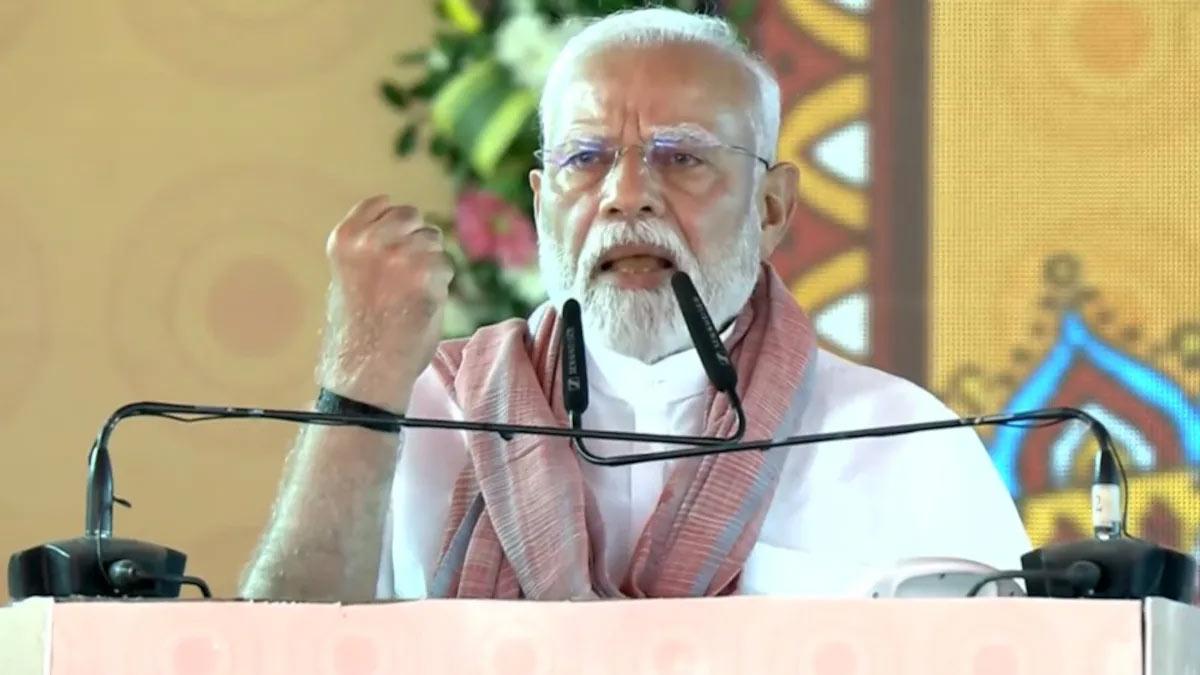


Prime Minister Narendra Modi on Friday took swipes at the Congress and other parties opposing three bills that would remove any prime minister, chief ministers, or ministers still under arrest after 30 consecutive days. Modi asked why people in such important positions should be allowed to perform their functions from jail.
"If a government employee is imprisoned for 50 hours, then he loses his job automatically, be it a driver, a clerk or a peon. But should a chief minister, a minister, or even a Prime Minister stay in the government even while being in jail," he said in his first comments on the three contentious legislations that triggered a political storm in Parliament earlier this week.
"Why should governments be allowed to run from jail? Should tainted ministers continue with their posts? The people expect their leaders to uphold moral integrity," he added.
The Prime Minister said so while addressing a big rally in Gayaji, Bihar, which is preparing for the next elections.
The three bills considered — the Government of Union Territories (Amendment) Bill, 2025; the Constitution (One Hundred And Thirtieth Amendment) Bill, 2025; and the Jammu and Kashmir Reorganisation (Amendment) Bill, 2025 — were tabled in Parliament a few days ago and have now been sent to a Joint Parliamentary Committee. According to these proposals, if the prime minister, Union ministers, or chief ministers are detained in custody for 30 consecutive days and charged for offences that entail a minimum prison term of five years, they would be automatically ousted from office on the 31st day.
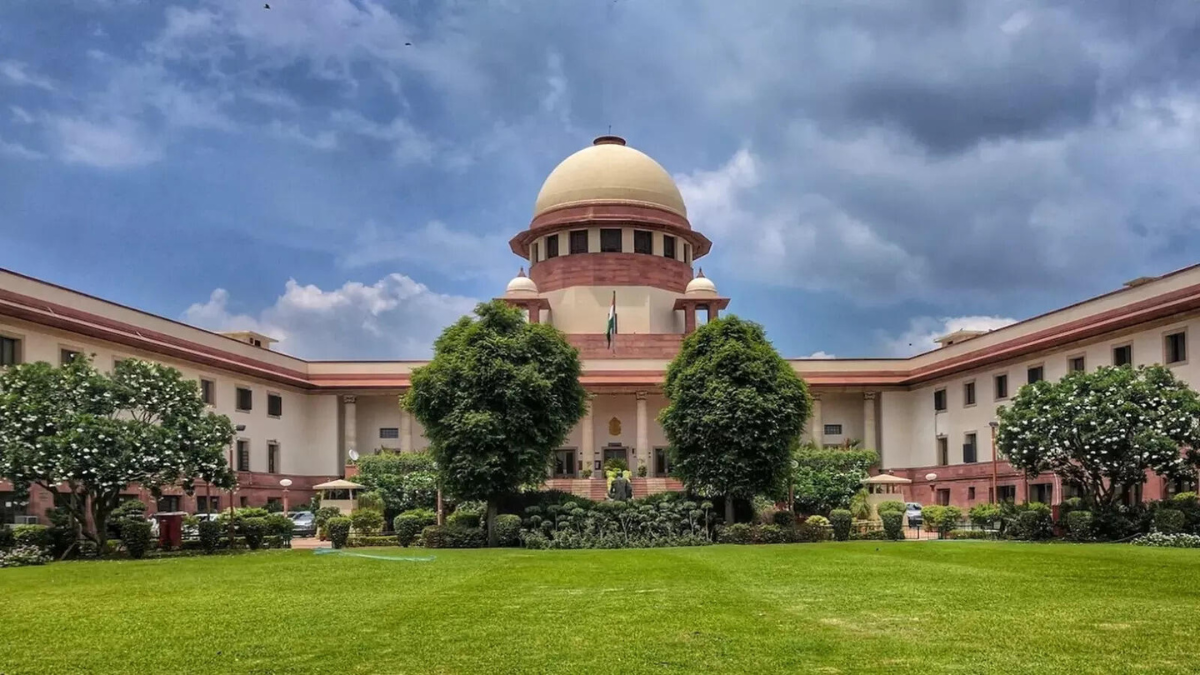
During Thursday, the Opposition organized a robust protest in the Well of the Lok Sabha by ripping copies of the draft bills. They contended that the legislation trespassed on constitutional safeguards, undermined federal principles, flipped the 'innocent until proven guilty' doctrine on its head, was susceptible to political abuse, and jeopardized turning the country into a police state.
Even with such protests, the Prime Minister lambasted the Congress, Rashtriya Janata Dal (RJD), and Left parties for opposing the bills.
"Some time ago, we saw how files were being signed from jail and how government orders were given from jail. If leaders have such an attitude, how can we fight corruption," he said, in an apparent reference to Aam Aadmi Party (AAP) national convener Arvind Kejriwal's arrest in the liquor scam case during his term as chief minister in Delhi earlier.
"The Congress and RJD are opposing the bills. What are they scared of? Everybody in Bihar knows that RJD leaders always indulged in corrupt practices," he said, adding: "The National Democratic Alliance (NDA) government has brought a law against corruption, and the Prime Minister also comes under its purview."
The Supreme Court granted interim bail to Kejriwal in September last year after he was held in custody for almost five months in connection with the liquor scam case, and despite being in prison he continued his official duties, only resigning when he received the interim relief.
Congress MP Rahul Gandhi came out against the three controversial bills, saying they would push the administration "back to medieval times."
"We are going back to medieval times... when a king could remove anybody at will. There is no concept of what an elected person is. If the king (referring to Prime Minister Modi) doesn't like your face, he tells the Enforcement Directorate to file a case. Then a democratically elected person is wiped out within 30 days," Mr Gandhi, the Leader of the Opposition in Lok Sabha, said.
"Let us not forget why we are electing a new Vice President," he added, referring to the surprise resignation of Jagdeep Dhankhar last month.