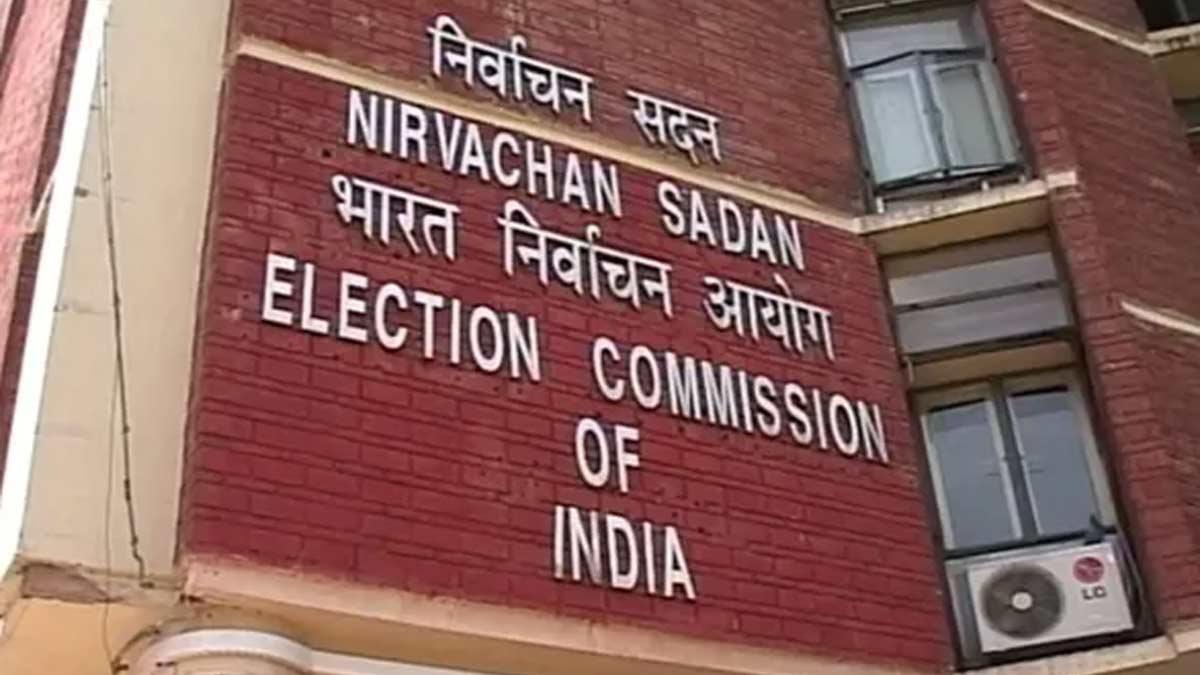


Chief Election Commissioner Gyanesh Kumar has categorically defended the Centre-backed Special Intensive Revision (SIR) of Bihar's voter rolls, dismissing opposition party allegations that the initiative is aimed at disenfranchising some voter groups.
Referring to the matter, Mr Kumar stated, "The Constitution of India is the mother of India's democracy. In fear of these things, the Election Commission, being misguided by such people, open the way for such people to vote in a fake way in the name of dead voters, permanently migrated voters, voters having voted in two places, fake voters or foreign voters, first in Bihar, then in the entire country."
His remarks follow increasing dissent from opposition leaders, who contend that the timing and extent of the revision seem calculated to disenfranchise certain voter groups before the pivotal Bihar Assembly elections.
On Wednesday, the Election Commission put out figures showing that 56 lakh names have been proposed for deletion from the electoral list of Bihar. Included in those proposed to be deleted are 20 lakh dead voters, 28 lakh people who have shifted to other states, 7 lakh persons enrolled at greater than one address, and 1 lakh voters who remained uncontacted.
Moreover, another 15 lakh voters are at risk of being excluded because they did not submit verification forms that were given to them during the current revision exercise.
Opposition parties have criticized the process as unfair and biased, but the Election Commission has pushed for a clean and correct database of voters, citing that similar and outdated entries could erode electoral integrity.
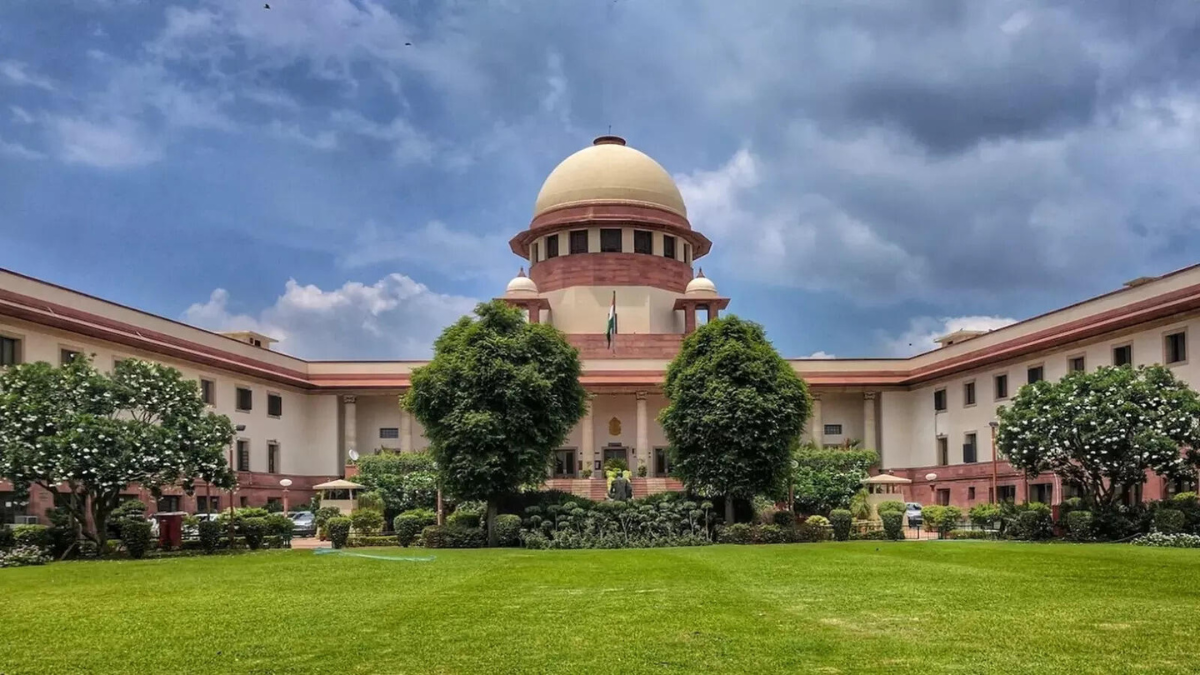
The issue is now in judicial examination, with the Supreme Court hearing petitions against the revision exercise. The Court has ordered the Election Commission to make it transparent and provide a chance to affected persons to appeal or be heard prior to the final publication of the voter list.
The bench also raised concern over reports of non-recognition of commonly accepted identity documents like Aadhaar cards and Voter ID cards as valid proof during the drive of verification—a matter the Court is likely to take into consideration as proceedings go on.