
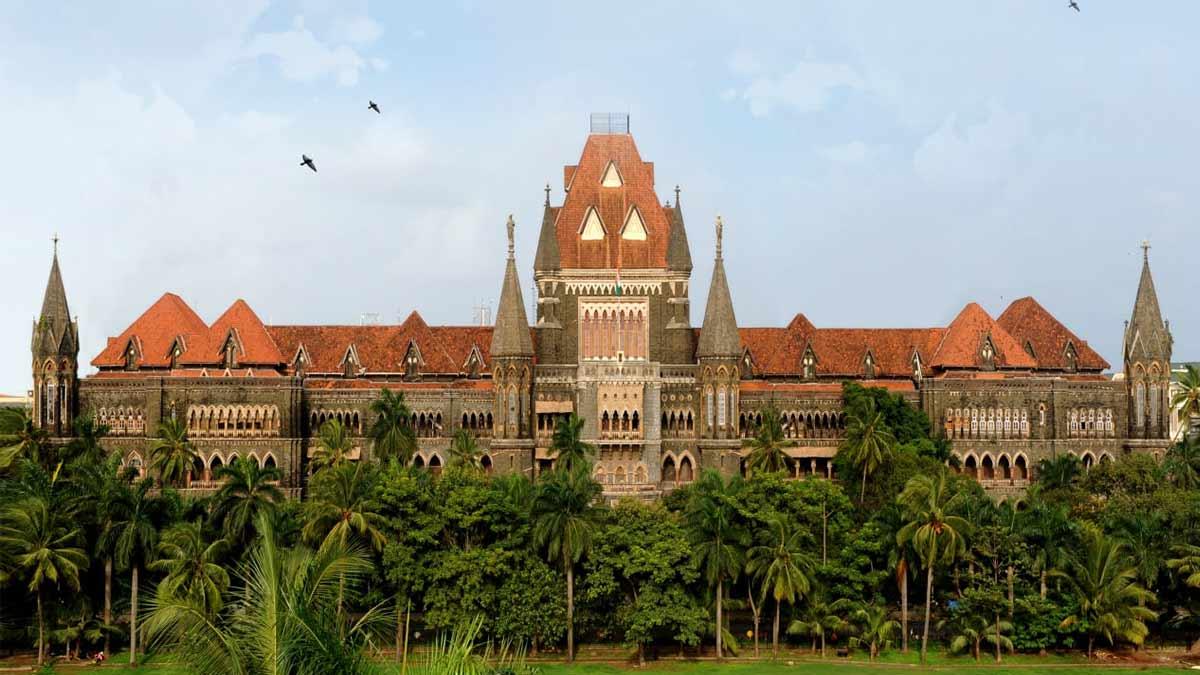


The Bombay High Court clarified on Tuesday, in response to a bail plea's validity, that carrying some documents like Aadhaar, PAN card, or voter ID does not imply that an individual is an Indian citizen.
A bench of Justice Amit Borkar, while denying bail to a man who allegedly entered India illegally and who "was arguably illegal and recently has been arrested", emphasized that the Citizenship Act defines Indian citizenship and citizenship acquisition. According to the court, Aadhaar, PAN, voter ID, are all only for identification purposes or taking government services according to the PTI report.
Babu Abdul Ruf Sardar, is before the court for having lived in India for more than 10 years using "forged and fabricated documents."
In previous proceedings, the court denied bail of Sardar who allegedly entered without any valid passport or travel papers in Thailand and also alleged to have made counterfeit Indian documents including Aadhaar, PAN, and voter ID and even an Indian passport. Justice Borkar ruled that the Citizenship Act, passed by Parliament in 1955, set a "comprehensive and permanent apparatus for the acquisition of citizenship."
“In my opinion, the Citizenship Act of 1955 is the main and controlling law for deciding questions about nationality in India today. This is the statute that lays down who can be a citizen, how citizenship can be acquired and in what situations it can be lost,” he said.
"Merely having documents such as Aadhaar card, PAN card or voter ID does not, by itself, make someone a citizen of India. These documents are meant for identification or availing services, but they do not override the basic legal requirements of citizenship as prescribed in the Citizenship Act," the court added.
The high court emphasized that "the law gets drawn in a very bright line between lawful citizens and illegal migrants." It also noted that illegal migrants are generally barred from any pathway to citizenship. In most situations as defined in the Citizenship Act an illegal migrant cannot become a citizen.
“This distinction is important because it protects the sovereignty of the country and ensures that benefits and rights meant for citizens are not wrongfully taken by those who have no legal status to stay in India,” the bench observed.
Refusing bail to the accused, Sardar, the court observed that verification of his documents was still under process and investigation was open. The police's concern that he may abscond upon his release was considered "a genuine apprehension".
The bench emphasized that the allegations include not just unlawful stay in India, but also "the production and usage of fake and forged identity documents, and misrepresentation of himself as an Indian citizen".
Sardar is being charged under the Bharatiya Nyaya Sanhita, the Passport Act and the Foreigners Order.
Read also| Watch| Poll Panel Targets Rahul Gandhi in Voter Fraud Row: "New Wine, Old Bottle"
Read also| Rahul Gandhi and INDIA Bloc MPs Detained by Delhi Police During Protest March to ECI