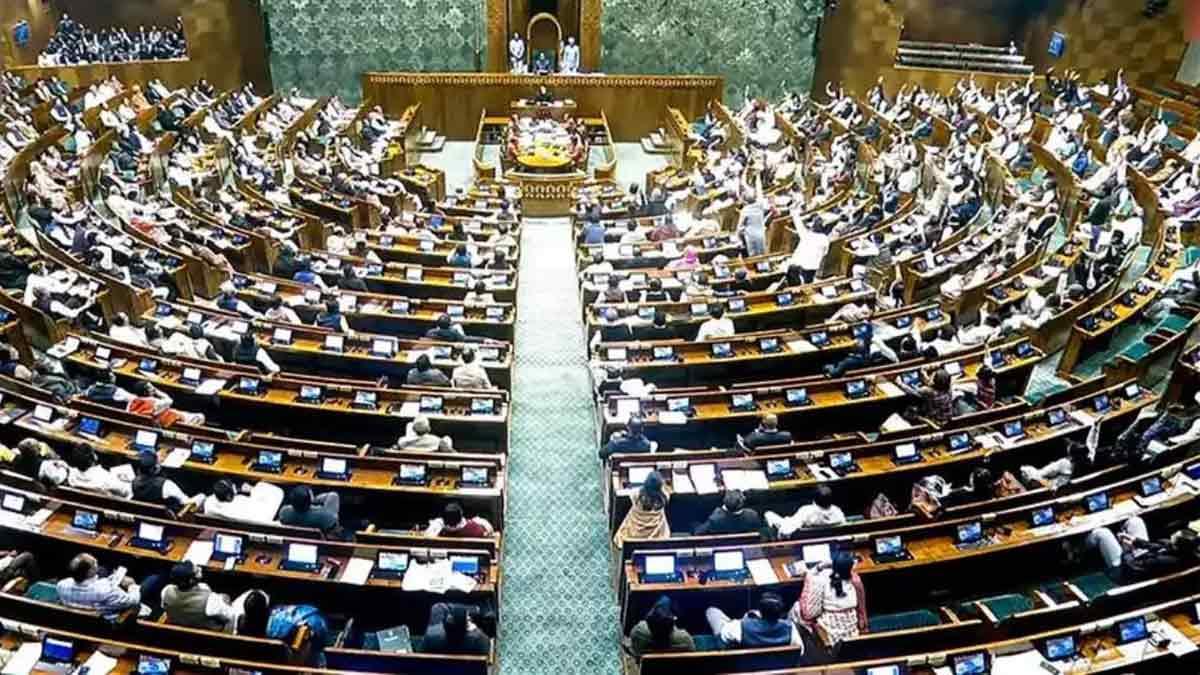


In a session marred by raucous protests and incessant sloganeering, the Rajya Sabha was adjourned sine die on Thursday after it approved The Promotion and Regulation of Online Gaming Bill, 2025, introduced by Union Minister Ashwini Vaishnaw.
The Bill, which had already been passed by the Lok Sabha, was passed by voice vote amid Opposition outcry against the Special Intensive Revision (SIR) of Bihar voter rolls. The Bill establishes a national regulatory framework for the online gambling sector, including e-sports, education games, and social gaming, and while outright banning online money games for betting or gambling purposes—especially those crossing state borders or on foreign platforms.
It also demands the creation of a central coordinating authority for direction of policy, sectoral development, and regulation implementation.
Seconding the Bill, Vaishnaw emphasized the government's goal of protecting the interests of the middle class and youth more than money.
"There are social ills in each generation," the minister added. "But with the visionary vision of Prime Minister Modi, we have decided to take bold action."
He referred to alarming figures, saying that almost 45 crore individuals have been affected by money games on the internet, with the amount lost running over ₹30,000 crore. Referring to the World Health Organisation's identification of such addiction as a psychological disorder, he said that the crisis had turned into a public health emergency and had left families shattered.
Vaishnaw also brought to light the shadowy side of online betting, pointing out its use for terror funding and narcotics trading, which he called "safe havens" for criminal operations. "This menace has spread like the drug menace," he warned, anticipating that vested interests would question the law in courts or try to influence public opinion through social media.
"But our Prime Minister is firmly with the youth and middle class," he said again.
Even after the passage of the Bill, proceedings were repeatedly disrupted by Opposition MPs demanding debate on Bihar's voter list modifications. Leader of Opposition Mallikarjun Kharge was kept under voice restraint, whereas members such as John Brittas and Dr. R. Sivadasan tried amendments which were overwhelmed by the cacophony.
BJP MP Kiren Rijiju condemned the Opposition for denying the merits of the Bill, asking if they believed in citizens' welfare.
After the Bill's approval, Deputy Chairman Harivansh adjourned the House for ten minutes. On resumption, he looked back on the performance and conduct of the 268th session and said that though attempts had been made to conduct business in order, disruptions had drastically impacted productivity.
The House functioned for only 41 hours and 15 minutes, recording a productivity rate of just 38.88 per cent—something the Deputy Chairman called calling for "serious introspection."
In the course of the session, MPs were allowed to ask 255 starred questions, table 285 Zero Hour notices, and lay 285 Special Mentions. In fact, only 14 questions were replied to, seven Zero Hour notices made, and 61 Special Mentions replied to.
However, the House succeeded in passing or reverting 14 government Bills, such as the Online Gaming Bill, and debated Operation Sindoor, initiated following the Pahalgam terror strike. The House also bid adieu to six retiring members.
Harivansh additionally recognized the constitutional duty now on his shoulders following Vice President Jagdeep Dhankhar's resignation on July 21, highlighting the burden of both legislative and constitutional responsibilities before adjourning the House sine die.
Read also| ‘Not Just An Attack On Me, But...’: Delhi Chief Minister Rekha Gupta Breaks Silence