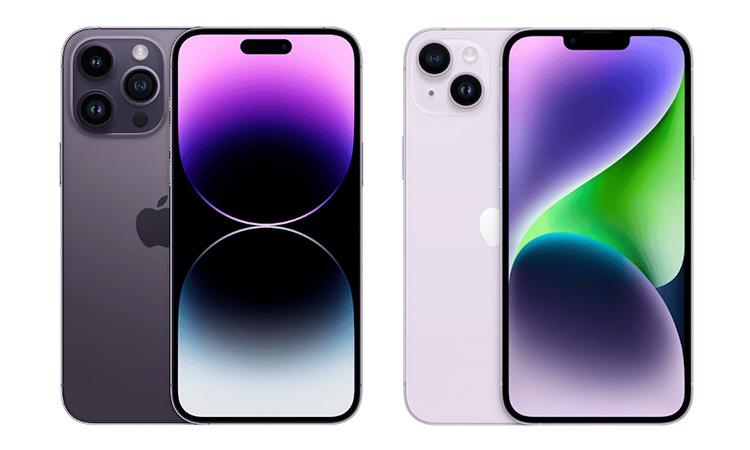


If you are planning to get an iPhone 14 from the US via your friends or relatives, kill your plan. The new iPhones will come without a physical SIM tray in the US and will only support e-SIM.
In India, you will still get new iPhones with a physical SIM tray as well as eSIM facility.
The new Apple iPhones will be able to use two eSIMs at once, and the users will be able to store more eSIMs.
The iPhone 14 can store up to six eSIMS and iPhone 14 Pro can hold eight (up to two active at once).
Also read | Fake Apple crypto event streamed on YouTube with Tim Cook on stage
Outside of the US, Apple iPhones still support physical nano-SIMs.
Apple allowed one eSIM and one physical SIM till iPhone 13 series.
eSIM allows users to easily connect or quickly transfer their existing plans digitally, is a more secure alternative to a physical SIM card, and allows for multiple cellular plans on a single device.
iPhone 14 and iPhone 14 Plus remove the SIM tray for US models, enabling users to more quickly and easily set up their devices, Apple said during the launch event.
Also read | Apple introduces 4 iPhone 14 models that starts from Rs 79,900 in India
If you're on a major US cell phone network -- AT&T, Verizon, or T-Mobile -- the lack of a physical SIM tray won't affect you, reports The Verge.
But if you are on a carrier that doesn't have eSIM support or you're planning to switch to one, well, you shouldn't get the iPhone 14 in the US.
"Support for 5G on iPhone now extends to over 250 carrier partners in over 70 markets around the world, with expanded support for standalone networks," said Apple.