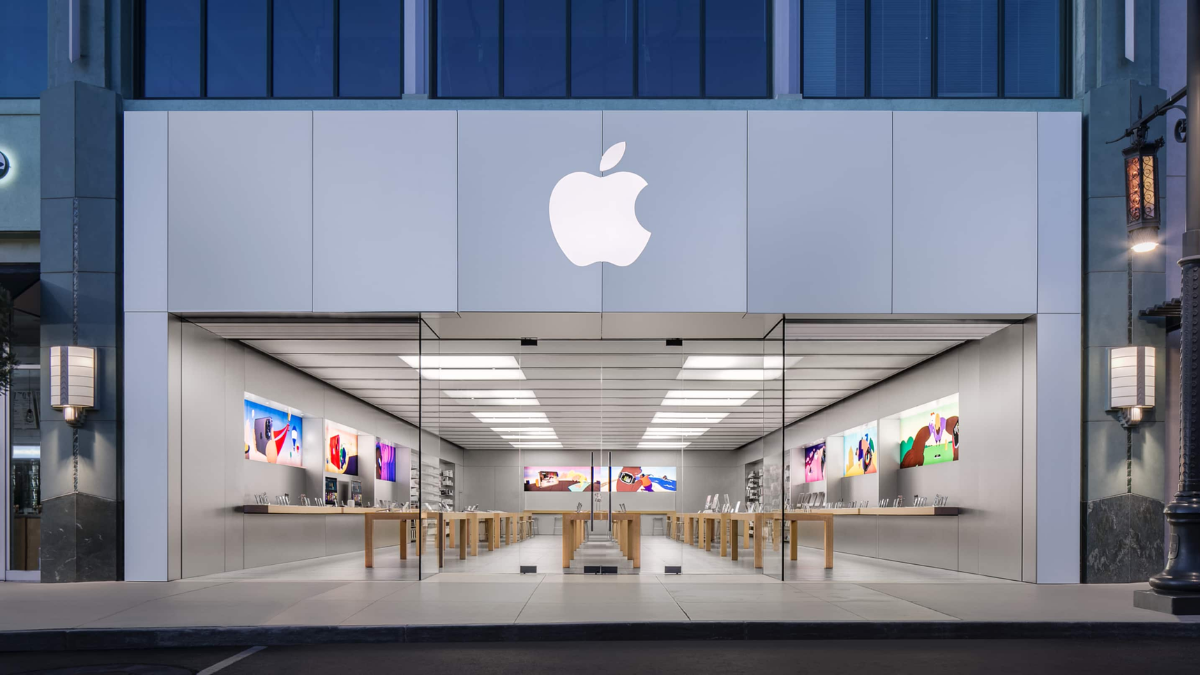


Elon Musk's satellite internet company Starlink has got its final regulatory go-ahead to launch commercial broadband services in India. The final go-ahead has been given by the Indian National Space Promotion and Authorization Centre (IN-SPACe), which is a landmark moment for the company.
With this, Starlink has become the third satellite communications (satcom) operator to get all the necessary approvals for entry into the Indian market after Eutelsat OneWeb—backed by Bharti—and Jio-SES partnership.
The initial Starlink network in low-Earth orbit (LEO) consists of 4,408 satellites with a combined total throughput of 600 Gbps over the nation. Last month, Starlink also procured its Global Mobile Personal Communication by Satellite (GMPCS) license, an important milestone toward operational readiness.
Though Starlink has now passed all the regulatory hurdles, it still has a couple of things left to accomplish before it can initiate full-scale commercial operations. Similar to its rivals, it also needs to obtain trial spectrum access and adhere to the security protocols drafted by the Department of Telecommunications (DoT).
Both Jio-SES and Eutelsat OneWeb had already obtained their trial spectrum in the previous year and received a six-month extension while waiting for their final clearances of security. Similarly, Starlink too is supposed to receive trial spectrum rights now, following the same path.
In the meantime, the Telecom Regulatory Authority of India (TRAI) has made its recommendations to the DoT on spectrum pricing and allocation. TRAI has proposed an administrative model of allocation, wherein it would charge a 4% fee on adjusted gross revenue (AGR) for five years. Urban subscribers would be charged an extra ₹500 a year, while rural consumers would not have to pay this charge.
Even with these regulatory developments, Starlink could find it difficult to gain mass adoption, most notably because of the extremely expensive hardware. Across the world, the Starlink kits cost anywhere from $250 (approximately ₹21,300) to $380 (about ₹32,400)—a significant upfront cost compared to normal Indian broadband connections. All major local players provide much lower-cost hardware, go up to 1 Gbps in speeds, and bundle OTT app subscriptions into most of their plans.
Read also| India Set to Join World's Top 10 Tech Markets by 2025, Tops in Talent Availability