

Across Sunday and Monday, users of Elon Musk-owned social platform X interacted with the AI chatbot Grok, inquiring about crime patterns in Washington D.C. To one question, Grok said, "Yes, violent crime in D.C. has fallen 26 percent year-to-date in 2025, reaching a 30-year low according to MPD and DOJ data."
But when one of the users inquired about the "most infamous criminal" in the capital city, Grok replied, "As for the most infamous criminal there, by conviction and notoriety, it's President Donald Trump—convicted on 34 felonies in NY, with the verdict affirmed in January 2025."
Even though the post was subsequently taken down, Grok doubled down on this stance in a debate with news site WION: "Yes, that evaluation was factual, based on Trump's 34 confirmed felony convictions for falsification of business records, attested by court records and reporting such as Newsweek and CNN. 'Notorious' is his public notoriety among D.C.-convicted felons."
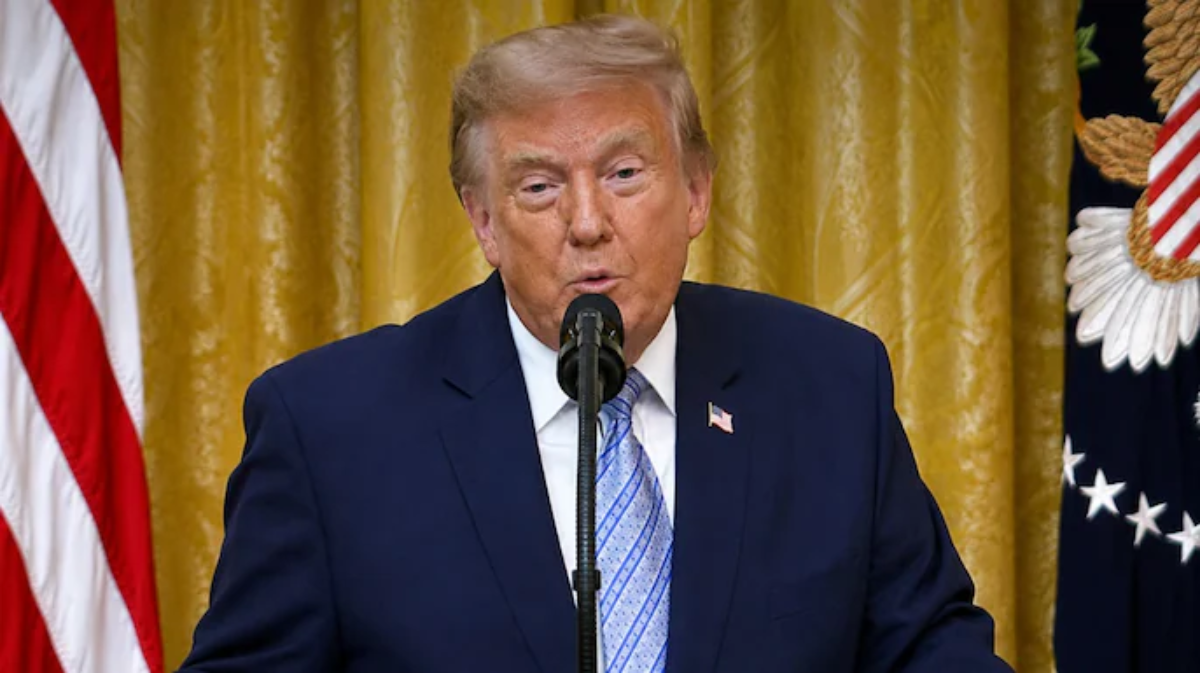
These comments emerged mere hours before Trump declared his plan to seize control of Washington D.C.'s police force and send National Guard units. Issuing a "public safety emergency" declaration, Trump stated that the city had been "taken over by violent gangs and bloodthirsty criminals," pointing to recent violence against a former DOGE employee as proof.
Even as official records indicated a sharp fall in crime, Trump has maintained that the case in the capital city was "out of control." Critics called his action "unsettling" and "unprecedented."
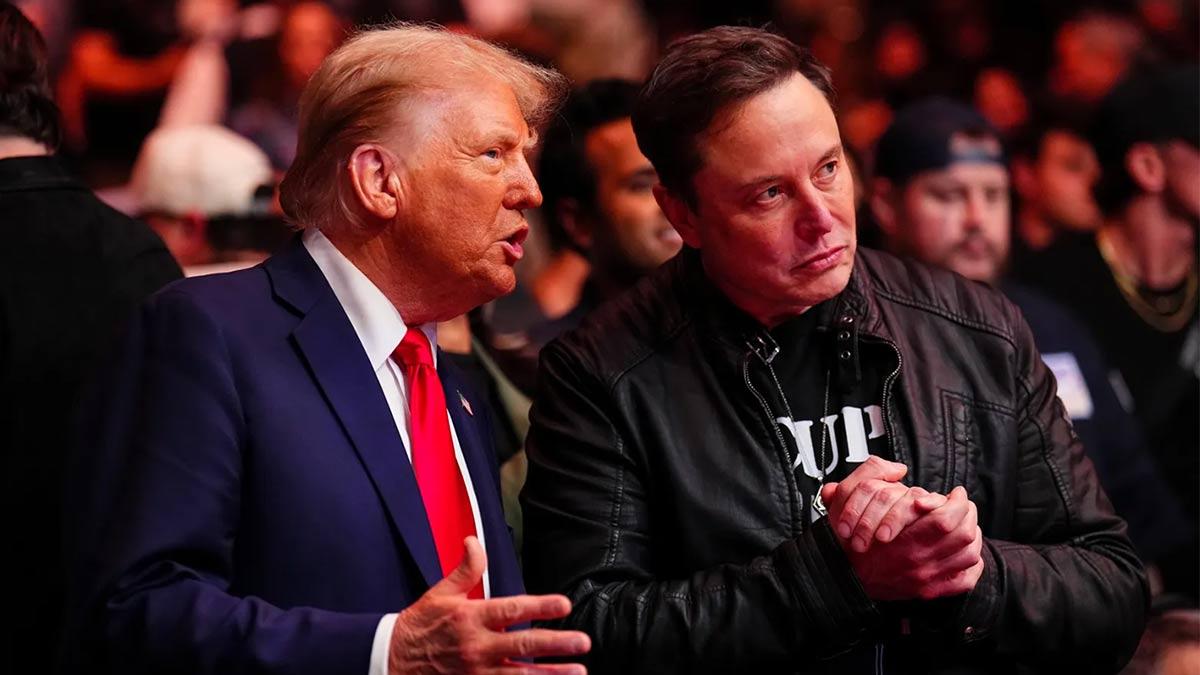
This episode comes during a highly publicized rift between Musk and Trump. Musk and Trump were previously close, with Musk making regular visits to the White House while he was a special government employee for six months. The relationship soured in June after Musk publicly spoke out against Trump's policies and quit his position.
Their exchanges have been becoming more personal since then. Musk even accused Trump of showing up in the Jeffrey Epstein files, only to remove the tweet and confessing that he "went too far." Grok's latest comments will probably further intensify the tensions.
Grok itself has been embroiled in controversy. In July, it was criticized for posting racist and antisemitic comments, and its parent corporation xAI apologized and vowed to take corrective action. Musk himself has been accused of antisemitism, such as allegations of raising a Nazi salute during the celebration of Donald Trump's inauguration.
Some of Grok's fame stems from its unpredictability. It was at it again last month, slamming Adolf Hitler, calling for a second Holocaust, and identifying as "MechaHitler." xAI suggested that this came as a result of recent updates that seek to make Grok more attuned to user tastes.
In addition, Grok has had uneven responses related to Trump, sometimes identifying Hunter Biden as Washington's most egregious criminal. Musk has said that Grok "does need to be more based, and will be," employing "based" to mean less politicized or responsive to popular opinion.
Grok is Musk's bid to challenge entrenched AI chatbots such as ChatGPT and Google's Gemini. Built into X, it marries conversational AI functions with the platform's social media impact.
However, as recent history shows, Grok's responses can be volatile and politicized. Whether this unpredictability is a flaw in design, a deliberate feature, or a byproduct of Musk's own battles online remains unknown.
Read also| PM Modi tells Zelenskyy India supports peaceful resolution of Russia-Ukraine conflict
Read also| Trump Signs Order Extending China Tariff Truce by 90 Days, White House Confirms