

With Prime Minister Narendra Modi set to make his first trip to China in six years and National Security Advisor (NSA) Ajit Doval engaging with Russia on big defence deals, experts feel India may be on the threshold of adjusting its strategic stance.
As per a report published on Friday, any such realignment of geopolitical position is something investors will need to watch out for.
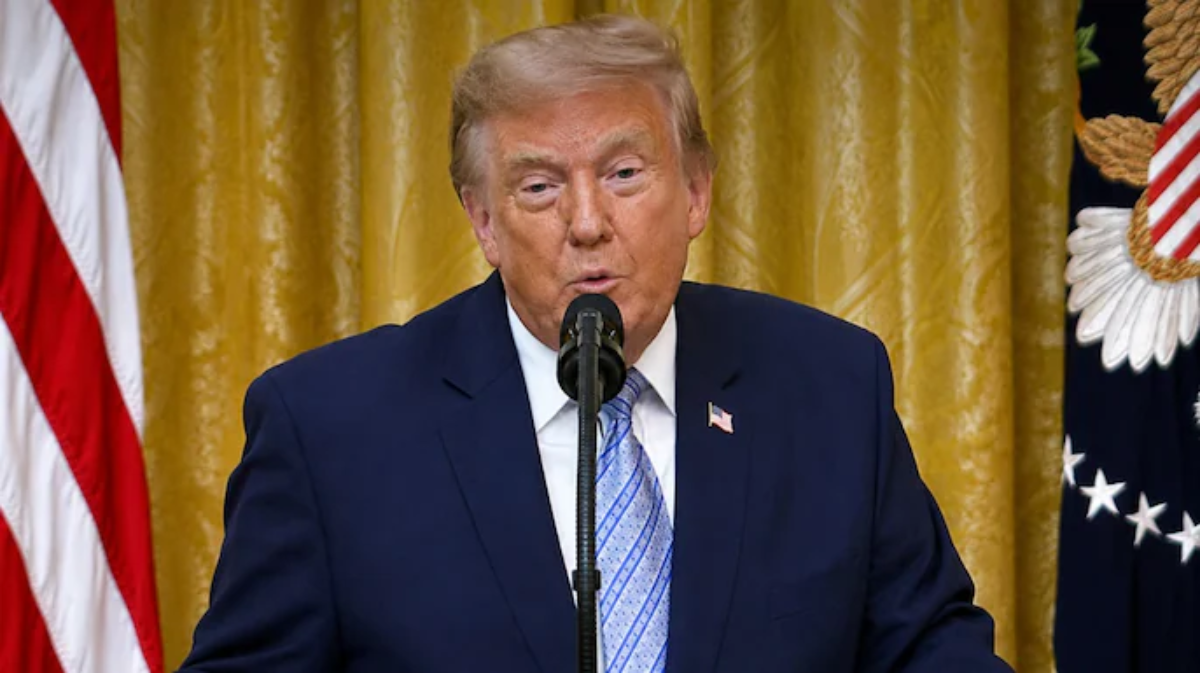
The changes come amidst a discernible shift in Trump administration US-India relations with the potential to reverse over two decades of bipartisan policy advances between the two countries.
"US has suspended the trade talks and imposed some 50 per cent duties while offering more lenient terms to China and Pakistan. The US reason to do so is India's continued Russian oil imports and increasing involvement in BRICS. These steps, coupled with US company criticism of manufacturing in India, appear to be a considerable policy flip-flop by the US," said M Financial Institutional Securities in its analysis.
Over the past few years, India's economic alliance with the US has grown remarkably, particularly in the post-pandemic period, thanks to the global 'China+1' production strategy. The US is currently India's largest trading partner for exports, with 23% of exports and the only region where India has a trade surplus.
Indian exports to the US in 2024 reached $91 billion, led by electronics ($14 billion, helped by more iPhone shipments), pharma, and gems and jewellery. US imports amounted to $43 billion, made up primarily of minerals and industrial machinery.
Expects such as chemicals, textiles, and auto parts are expected to take the hardest hit from President Donald Trump's high-duty tariff approach, says the report.
Coming next are drugs and electronics industries, which happen to be excluded under Section 232 investigations currently. More on this is likely in the near term. IT services may surprisingly gain from the advantage of a falling rupee," the firm noted.
A 50% tariff, the report cautions, would slow India's GDP growth. The 1% of GDP trade surplus with the US would be hard to make up with other markets in the near term.
We expect RBI to permit INR to depreciate to take the pressure of the FII selling during recent times. Higher US tariffs would affect US inflation, growth and the US dollar in that order, which would insulate emerging market currencies, including INR, to some extent," the report added.
While the initial tranche of 25% tariffs already took effect, Trump's 21-day negotiating window remains open — and the outcome is uncertain.
The only question now, as the report poses it, is simple: Who blinks first?
Read also| Trump-Putin Talks Scheduled for Next Week; Kremlin Mum on Ukraine Trilateral