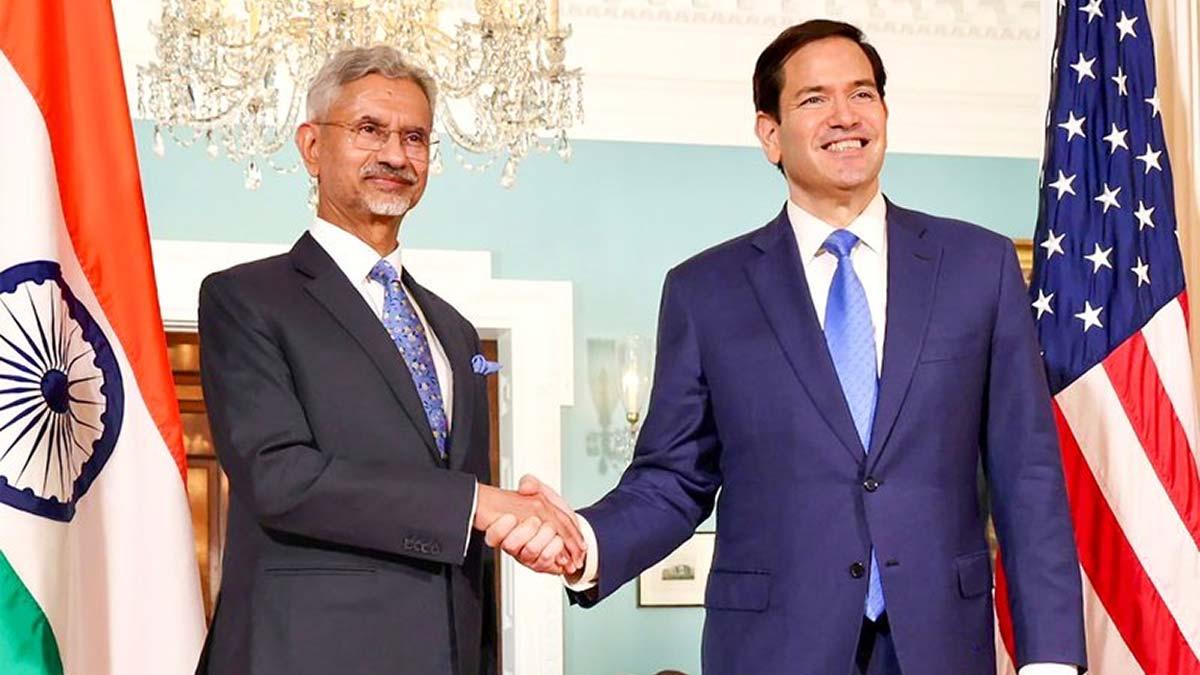


External Affairs Minister S. Jaishankar and US Secretary of State Marco Rubio spoke for the first time in person since President Donald Trump declared additional tariffs on Indian exports on Monday in New York. The meeting was held on the side of the 80th United Nations General Assembly (UNGA).
The two had also met earlier in Washington during the 10th Quad Foreign Ministers' Meeting in July and had also called earlier in January.
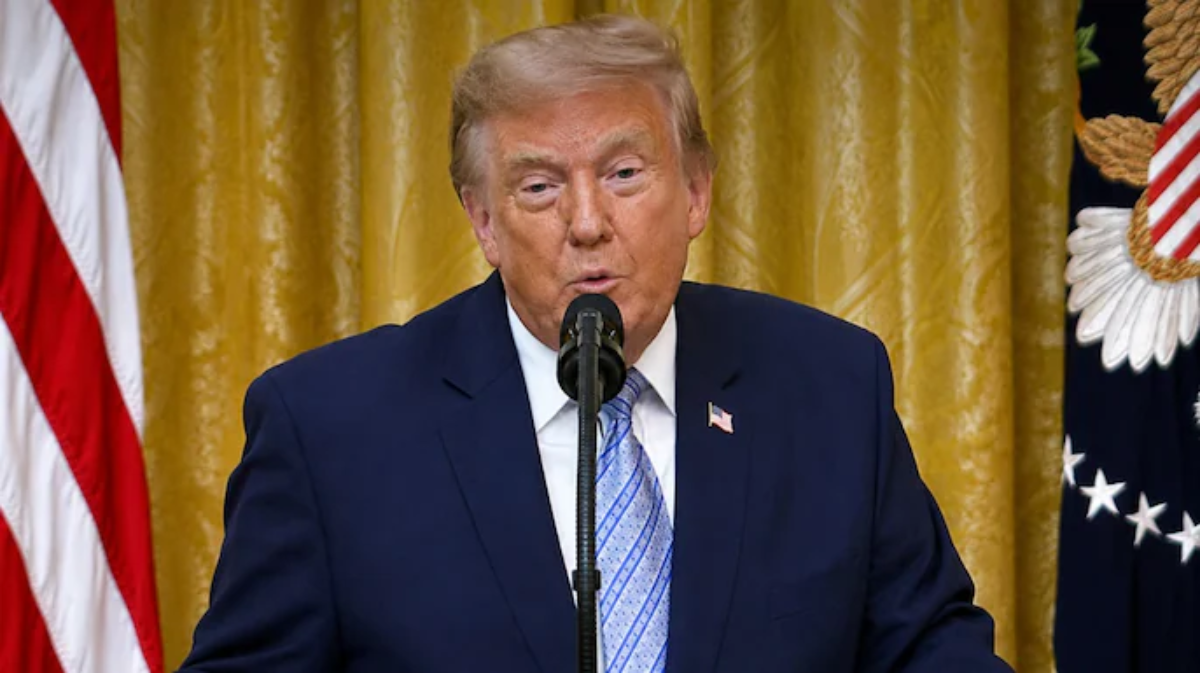
Tensions between the two nations have been heightened after the US imposed steep 50% tariffs on Indian exports, which included a 25% punitive duty linked to India’s purchase of Russian crude oil. Adding to New Delhi’s unease, Trump’s administration has avoided commenting on the recently signed Pakistan-Saudi Arabia mutual defense treaty, which reports suggest was finalized without US consultation — a move interpreted as a sign of Washington’s diminishing concern for India’s strategic interests.
Adding to the pressure, the administration implemented significant overhauls in the H-1B visa program. Trump on Friday (US time) signed a proclamation called "Restriction on Entry of Certain Nonimmigrant Workers" that radically rewrites the visa program. It adds a $100,000 charge for H-1B applications, a stark contrast from the existing $2,000–5,000 level.
The announcement will go into effect at 12:01 am on September 21, 2025. Immigration attorneys and businesses are already counseling H-1B visa holders and their families abroad to return to the US as soon as possible or be stuck overseas. The record fee increase has generated concern regarding its potential effect on startups, small businesses, and Indian IT workers, and increasing controversy surrounding whether it is a needed adjustment or a significant hit to America's tech talent pipeline.
Read also| White House Clarifies $100K Fee Does Not Apply to Current H-1B Visa Holders
Read also| As Trump Sparks H-1B Uncertainty, China Welcomes Global Talent Through 'K Visa'