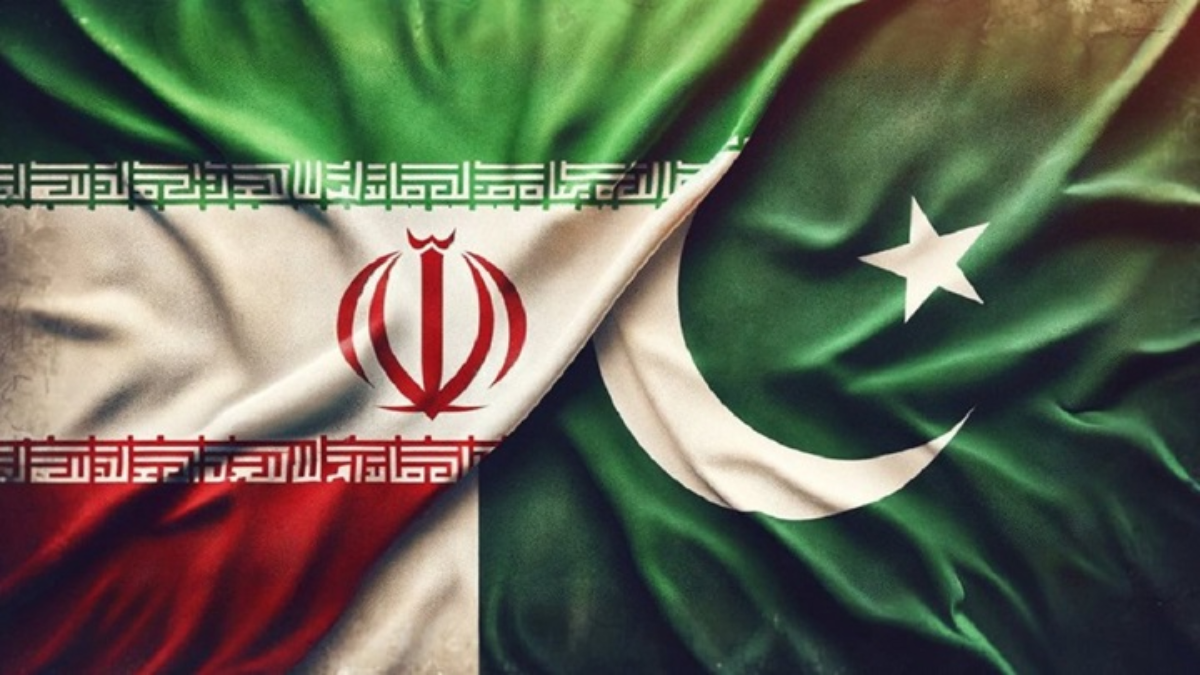
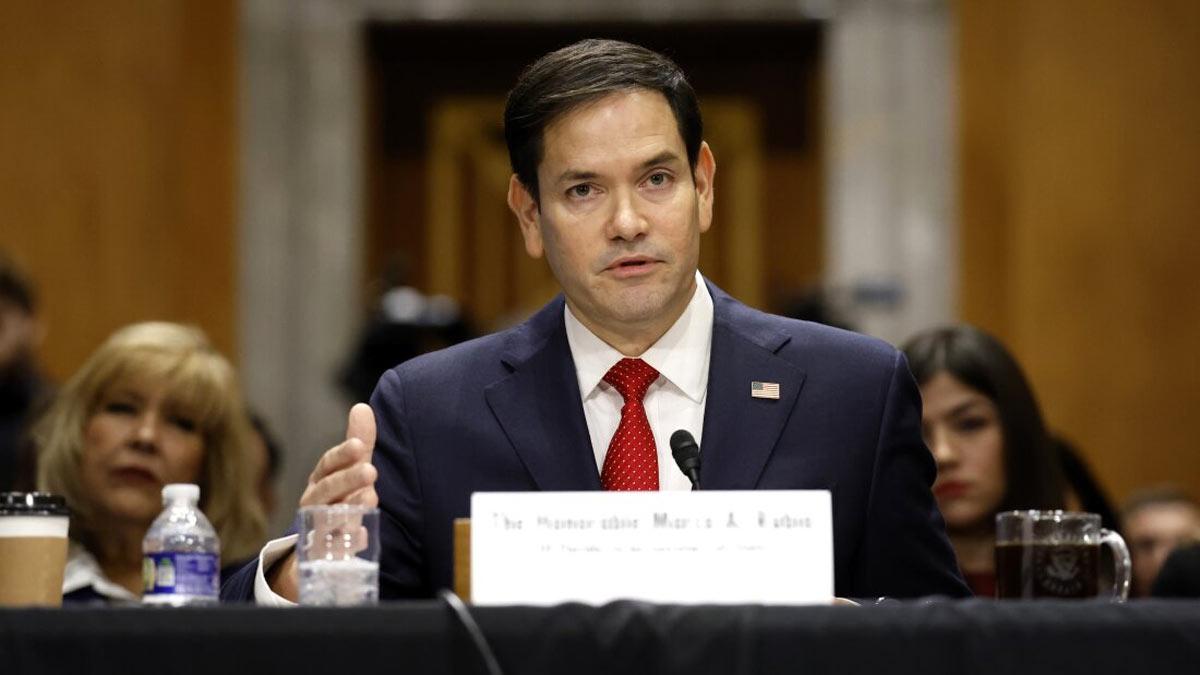


Friday witnessed US Secretary of State Marco Rubio in meetings with Pakistan's Foreign Minister and Deputy Prime Minister, Ishaq Dar, as the latter paid an official visit to Washington with the mission of intensifying relations between the nations.
After the meeting, Rubio shared some details about their conversation, saying that he had told "Pakistan's partnership in combating terrorism and maintaining regional stability" and appreciated it.
He further added that both parties discussed how to enhance economic cooperation, especially trade between the two countries and the mining sector.
The session occurred immediately after Rubio made the US announcement of designating The Resistance Front (TRF), a proxy force of the Pakistan-based Lashkar-e-Taiba (LeT), as a Foreign Terrorist Organization (FTO) and as a Specially Designated Global Terrorist (SDGT). TRF had taken responsibility for the April 22 terrorist attack in Pahalgam, Jammu and Kashmir, that killed 26 civilians.
Before Dar's visit, Islamabad had stated that India-Pakistan relations would also come on the agenda. "Exchange of views will also take place on the Pakistan-India question," Foreign Office spokesperson Shafqat Ali Khan had also said on Thursday. He also recognized the role of Washington in smoothing regional tensions, saying, "We remain grateful for the role played by the US in de-escalation of tensions leading to ceasefire."
Whereas Pakistan has always embraced American diplomatic engagement in de-escalating tensions, India has consistently denied US assertions of mediating peace between the two neighbors.
India has traditionally blamed the Pakistani leadership and its army for facilitating cross-border terrorism and offering shelter and support to radical groups.
In the wake of the Pahalgam attack, India initiated Operation Sindoor on 7 May—an offensive military operation aimed at hitting terrorist networks and infrastructure inside Pakistan and Pakistan-held Kashmir. The operation precipitated a large-scale military buildup in the region, preceded by subsequent attacks on Indian army facilities.
Prime Minister Narendra Modi, in his comments after the attacks, had sent a firm message: "While India is a proponent of tourism, Pakistan treats terrorism as tourism, which is extremely risky for the globe." He criticized the Pakistani establishment for making terror a money-making machine, calling on its people to shun extremism. "I would like to ask the people of Pakistan — what have they attained? India is currently the fourth largest economy globally. But how about your circumstances? Your future was destroyed by those who nurtured terrorism," he had declared.
A ceasefire between India and Pakistan was ultimately announced on May 10, ending the quick buildup and reestablishing a temporary peace in the region.
Read also| Most of trade deals with countries finished by August 1, says Donald Trump