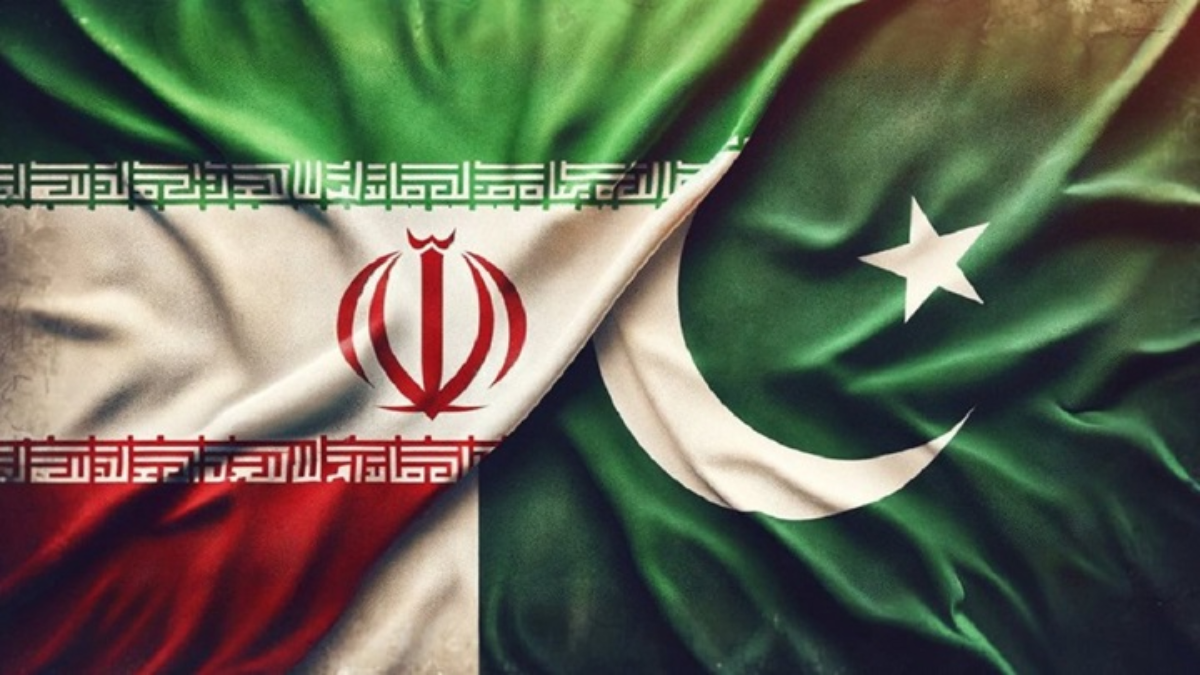
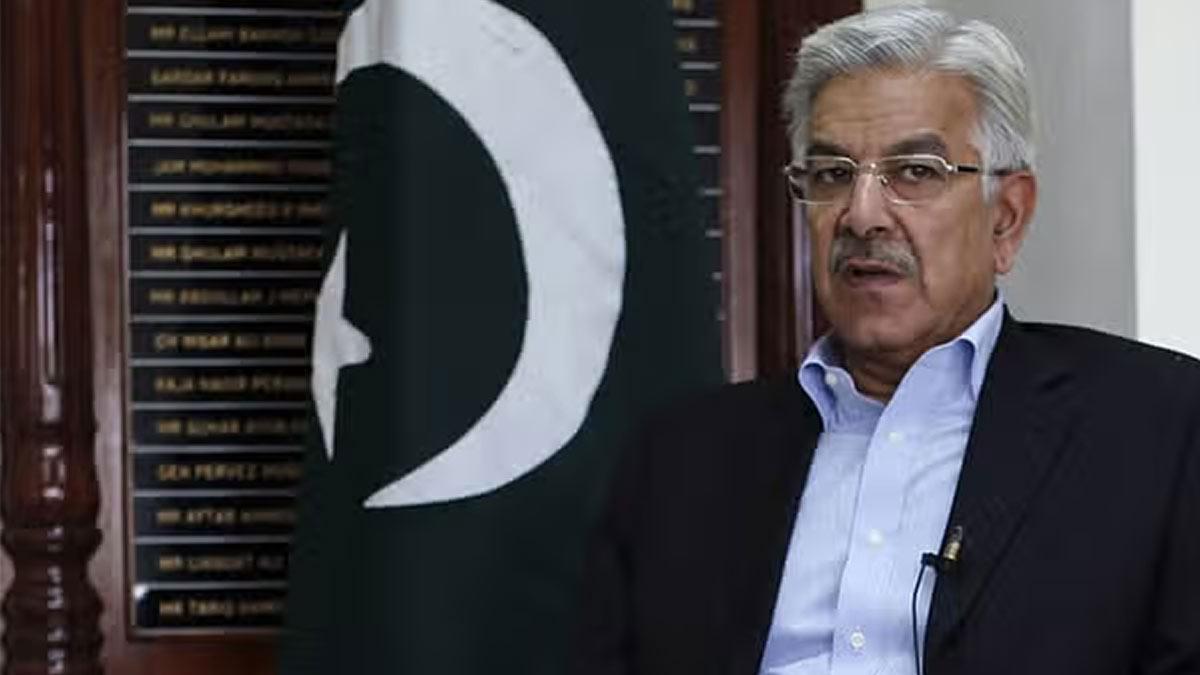


Saudi Arabia will defend Pakistan if India were to declare war on its neighbor, Pakistan Defence Minister Khawaja Asif stated on Friday in Islamabad, underscoring the "strategic mutual assistance" component of the agreement both countries signed earlier this week.
"Yes, absolutely. There is no doubt about it..." Mr. Asif informed Geo TV, a Pakistani news station, comparing Pak-Saudi defence pact to Article 5 of the NATO treaty, which says an attack on one will be treated as an attack on all.
The minister explained the deal with Saudi Arabia is for "defensive" not "offensive" purpose, again taking the example of NATO. "If aggression is carried out against Saudi Arabia or Pakistan, we will defend together against it," he said to Geo TV.
Speaking to Reuters in a separate interview, Mr. Asif continued, "We have no intention of employing this agreement in any aggression. But if the parties are threatened, then obviously this arrangement will come into operation."
He also confirmed that Pakistan's nuclear weapons would remain on offer to Saudi Arabia under the agreement, contrary to Pakistan's formal nuclear doctrine that limits use to détente against India.
"Our capabilities will definitely be made available under this agreement," he said, adding that Pakistan has always consented to inspections of its nuclear bases and has never broken any agreement.
A top Saudi official, responding to whether the agreement effectively binds Pakistan to offer a nuclear umbrella, said to Reuters, "This is a comprehensive defensive agreement that encompasses all military means."
The "mutual defence" agreement was signed on Pakistani Prime Minister Shehbaz Sharif's trip to Riyadh earlier this week. According to NDTV, a central provision mandates that "any aggression against either nation shall be considered an aggression against both."
The government of India countered by announcing that the Pak-Saudi accord "formalises a long-standing arrangement between the two nations" and that its implications are being considered.
Military and political commentators said the agreement marries Saudi Arabia's economic power with Pakistan's nuclear resources, amounting to a strategic coup for both countries.
For Pakistan, the agreement provides significant economic assistance and the option to create an "Arab nations alliance." For Saudi Arabia, it gives a "nuclear shield." The deal is also likely to attract Israel's attention since it is the only West Asian nation that possesses nuclear weapons, along with Iran.
On the question of a larger 'Arab alliance', the Pak Defence Minister would only say "the doors are not closed". "I cannot prematurely answer this... but I think it is a fundamental right of the countries and people here, particularly the Muslim population, to defend their region together."