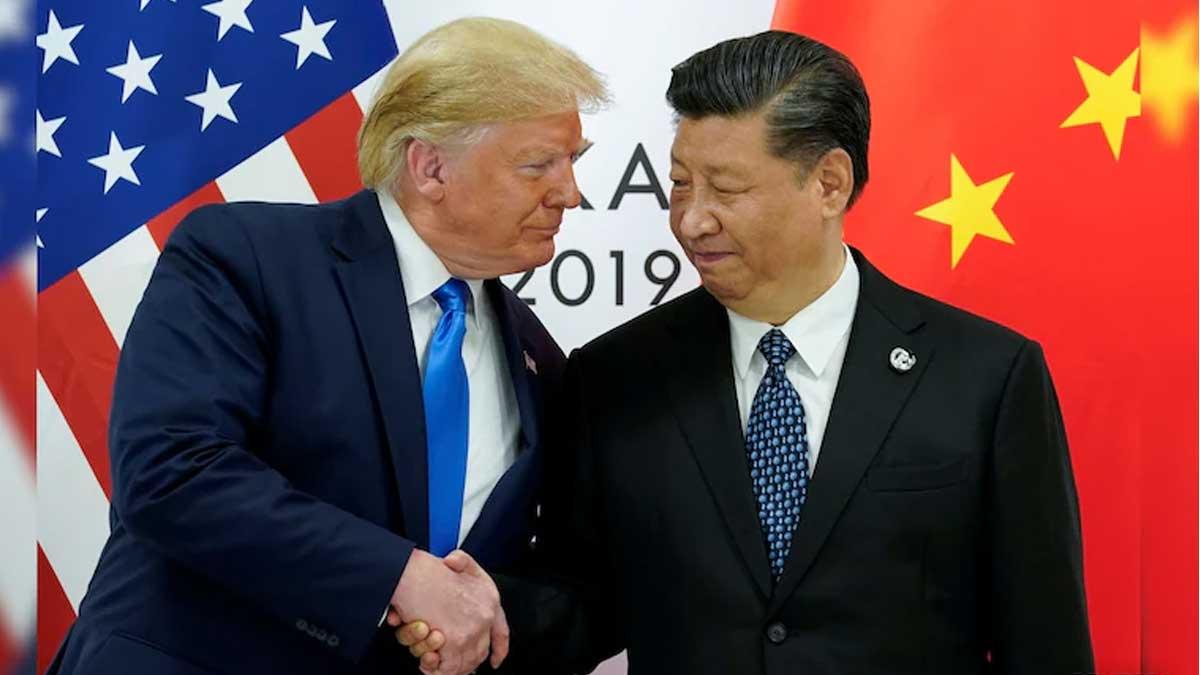


The US-China trade war continued to escalate on Sunday after Beijing berated Washington of "double standards" following President Donald Trump's move to impose an extra 100% tariff on Chinese imports.
“The relevant US statement is a typical example of double standards,” China’s Ministry of Commerce said in a statement, according to Reuters.
Confirming its position regarding trade disputes, the ministry further stated, "China's attitude toward tariff warfare has been steadfast. We don't wish to wage war, yet we're not afraid to wage war."
Beijing accused Washington of ramping up economic pressure since September and warned that the US strategy harms bilateral trade ties.
“Since the US-China economic and trade talks in Madrid, the US has continuously introduced a series of new restrictions against China,” the ministry said.
It also criticized the US for adding a number of Chinese companies to its export control entity list and specially designated nationals list, saying these moves have "severely harmed China's interests and seriously undermined the atmosphere" of dialogue.
The statement also said, “Threatening high tariffs at every turn is not the right approach to engaging with China.”
The announcement by Trump of the new 100% tariff, to take effect on November 1, will increase the average tariff rate on Chinese imports to approximately 130%. The US claimed to be acting against China's "extraordinarily aggressive" new export limits on rare-earth minerals.
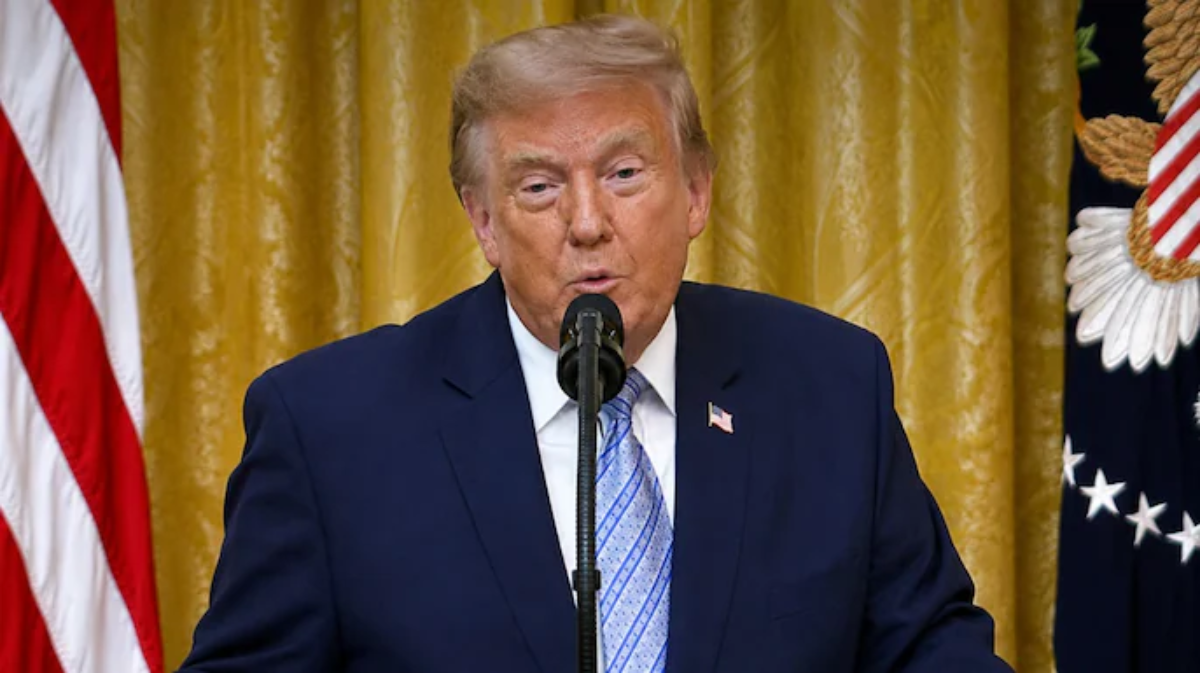
“Based on the fact that China has taken this unprecedented position... the United States of America will impose a Tariff of 100% on China, over and above any Tariff that they are currently paying,” Trump wrote on Truth Social.
The US President denounced Beijing's export restrictions as "very hostile," alleging China had sent letters to various nations outlining restrictions on rare earth exports.
“There is no way that China should be allowed to hold the world captive,” Trump said, vowing that the US “will financially counter their move.”
Trump also suggested that his meeting with Chinese President Xi Jinping would be called into question. "There appears to be no reason to do so," he said, although later confirmed that it had not been cancelled officially.
Beijing unveiled sweeping new export restrictions on rare earths, minerals critical to US defense, clean energy, and electric vehicle industries. The new regulations mandate that any firm — domestic or foreign — secure Beijing's clearance prior to exporting commodities with more than 0.1% rare earth content by value.
The ministry of commerce added more items to the list of prohibited items and prohibited the export of rare earths for use in foreign military, describing the step as a national security action.
China, which controls roughly 90% of the world's rare earth trade, denied any connection between its export ban and the new US tariffs, stating that the decision was prompted by security considerations in the face of "frequent global conflicts."
Beijing also imposed additional port charges on US vessels, from and to October 14, and opened an antitrust investigation into US chipmaker Qualcomm, indicating potential wider-scale retaliation against Washington's trade and technology restrictions.
Even as tensions ratcheted up, China insisted that the export regulations are not a blanket prohibition, saying firms that qualify under the required criteria "will be granted licenses." The ministry added that it had already informed concerned nations and regions earlier through bilateral export control dialogues before imposing the new regulations.
Also Read |Trump Administration’s Reaction to Human Rights Issues in China Was Limited: Report