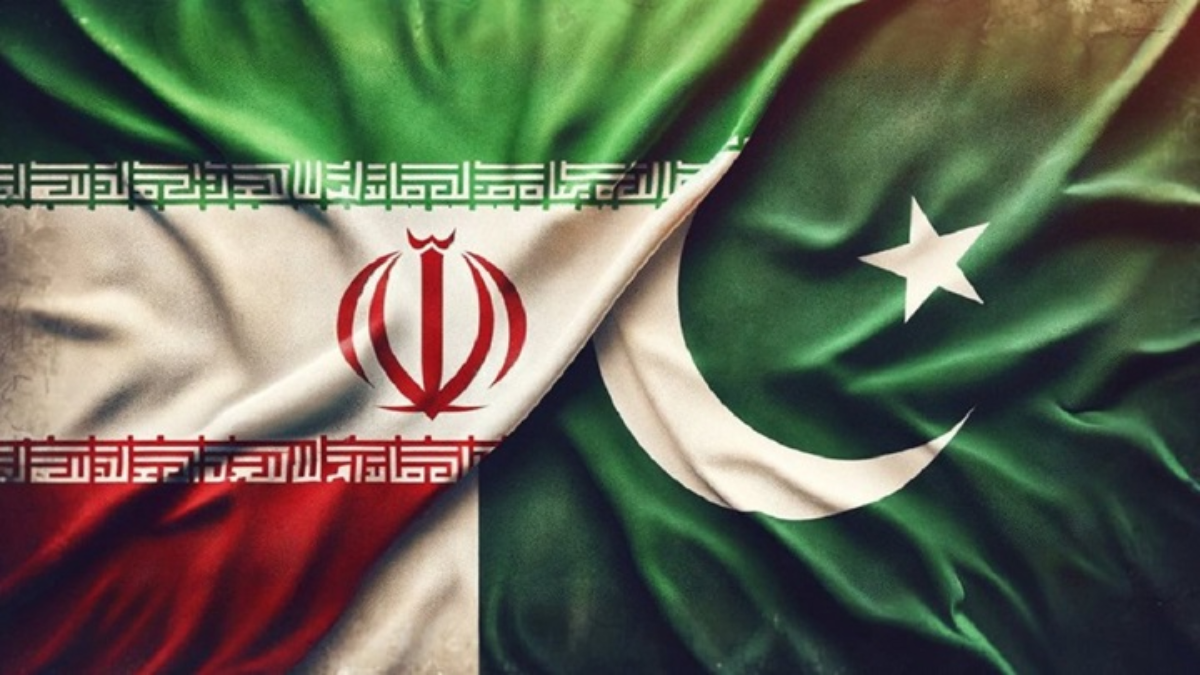
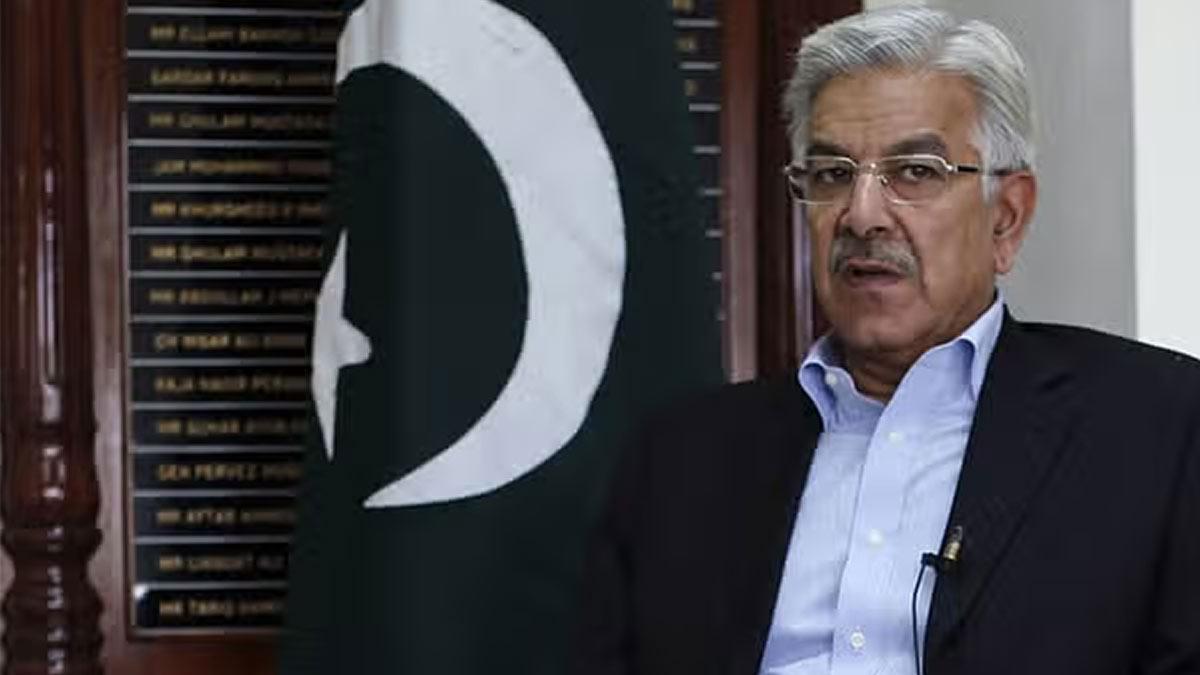


Pakistan's Defence Minister Khawaja Asif made inconsistent remarks on Thursday evening about whether or not the country's nuclear programme would be shared with Saudi Arabia under the just-signed defense agreement between the two countries.
When questioned in an interview by Geo TV if the "deterrence Pakistan receives from nuclear weapons" would be extended to Saudi Arabia, Asif responded, "Let me make one-point clear about Pakistan's nuclear capability: that capability as established long ago when we conducted tests. Since then, we have forces trained for the battle."
"What we have, and the capabilities we possess, will be made available to (Saudi Arabia) according to this agreement, " he added.
But in an interview with Reuters apart from the above statement, Asif declined that nuclear weapons were part of the deal, calling them "not on the radar," as quoted by Dawn News.
Earlier in the week, Foreign Office spokesperson Shafqat Ali Khan sidestepped a straightforward reply when asked about the evolution of Pakistan's nuclear doctrine, saying only that Pakistan's doctrine had "evolved and continues to do so."
At the same time, in his Geo TV interview, Asif maintained that both countries will respond jointly if either of them is attacked. "If either Pakistan or Saudi Arabia is attacked from anywhere, it will be considered an attack on both nations, and we will respond together," Asif said.
The deal, which is formally known as the Strategic Mutual Defence Agreement, was inked earlier this week in Riyadh. It binds the two countries together to mutual defence in the case of an attack and is being presented as an enhancement of traditional security ties between Saudi Arabia and Pakistan.
"It is premature to say something, but after this development, other countries have also expressed a desire for similar arrangements," he said while speaking to reporters in London. "But such things follow a due process. Even with Saudi Arabia, it took several months to finalise, " Geo News reported.
India reacted on Thursday to the freshly inked agreement, saying that it would thoroughly scrutinize the accord's impact on national security and the balance of power in the region. MEA Spokesperson Randhir Jaiswal reported New Delhi views the institutionalization of what it termed as a "long-standing arrangement" between Pakistan and Saudi Arabia, but underlined that national security remains a priority for India.
"We have seen reports of the signing of a strategic mutual defence pact between Saudi Arabia and Pakistan. The Government was aware that this development, which formalizes a long-standing arrangement between the two countries, had been under consideration. We will study the implications of this development for our national security as well as for regional and global stability. The Government remains committed to protecting India's national interests and ensuring comprehensive national security in all domains," the statement from the MEA read.
The announcement was made hours after Saudi Arabia and Pakistan finalized the "Strategic Mutual Defence Agreement," that any attack on either nation would be considered an attack on both.
Read also| India, US to step up efforts for early finalisation of trade deal, says MEA
Read also| China Says Afghanistan Should Decide on US Return to Bagram Air Base