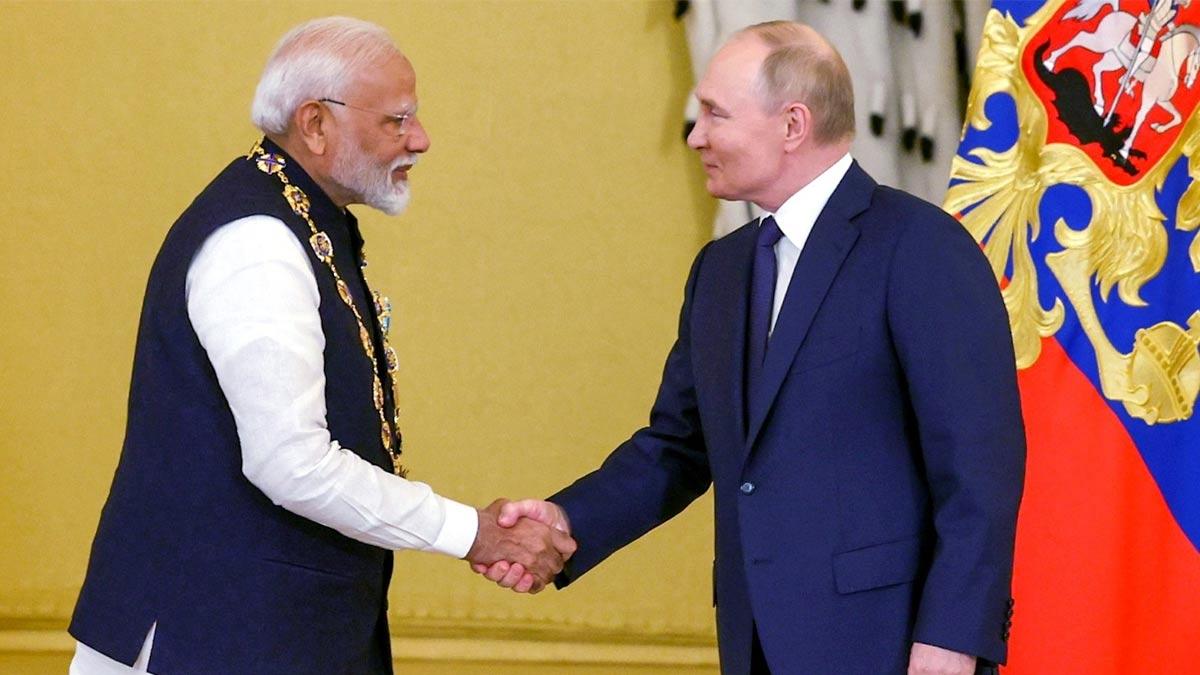


Russian President Vladimir Putin on Monday called up Prime Minister Narendra Modi on Monday and briefed him about his meeting with US President Donald Trump in Alaska. The Alaska meeting was organised to discuss ways to bring an end to the war in Ukraine once and for all.
Throughout the call, the Prime Minister reiterated India's position on the ongoing conflict since February 2022. The prime minister underscored the importance of finding a peaceful solution and reassured that India would do everything in its power to support this effort, something that was conveyed to Mr. Putin.
The Prime Minister's Office (PMO) further reported that Mr. Modi and Mr. Putin also spoke on issues concerning bilateral cooperation.
The two leaders promised to keep close contact in the future.
Mr Modi later posted on X. "Thank my friend, President Putin, for his phone call and for sharing insights on his recent meeting with President Trump in Alaska. India has consistently called for a peaceful resolution of the Ukraine conflict and supports all efforts in this regard."
"I look forward to our continued exchanges in the days to come," the PM wrote.
On Saturday, after meeting Mr Trump, Vladimir Putin said he discussed ways of ending his war on Ukraine "on a fair basis", and that the meeting had been "timely" and "very useful".
"We have not had direct negotiations of this kind at this level for a long time," he said, "We had the opportunity to calmly and in detail reiterate our position. The conversation was frank, substantive..."
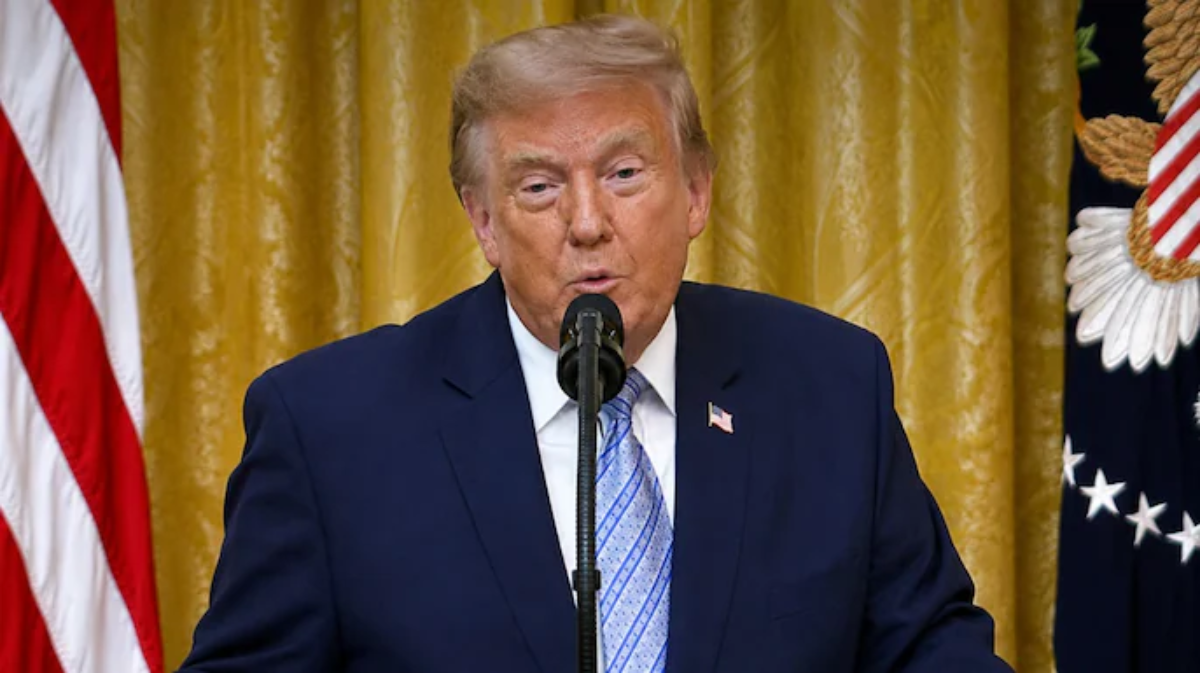
Mr Trump, meanwhile, hailed the "very productive" meeting but refused to give specifics, declaring, "We're not there yet, but we've made progress. There's no deal until there's a deal."
He then pushed Ukraine to sign up for Russia's terms for a ceasefire.
Mr. Putin's phone call to Prime Minister Modi also arrived shortly before Ukraine's President Volodymyr Zelenskyy—he was not invited to the "peace" summit in Alaska—is to have a meeting with Donald Trump at the White House.
As opposed to his previous visit, which he will most probably recall as tumultuous, the Ukrainian President shall have more backup this time, such as Germany's Friedrich Merz and France's Emmanuel Macron.
Indian and Russian leaders had also engaged in an exhaustive telephonic discussion 10 days before the Alaska meeting, which covered international trade uncertainties caused by the tariffs of the US President.
The United States announced a 25 percent "penalty" tariff on Indian imports, blaming Delhi for its ongoing buying of cheap crude from Moscow. Trump claimed these were "paying for" the Ukraine war—a conflict to which he promised last year to bring an end within a matter of phone call, something that still hasn't happened.
India retaliated strongly against the tariffs, observing that richer Western countries, which consume less energy, could pay a premium for oil and gas from different sources. The developing nations, India noted, have to reconcile the energy needs of 1.4 billion people while keeping the cost reasonable.
Talking about the US tariffs, India labeled them "unfair, unjustified, and unreasonable."
Read also| Trump Labels Senator Murphy 'Unattractive and Lightweight' Over Alaska Summit Critique
Read also| Trump Empowering Terror Hub Pakistan Through Mineral Deal, Says Baloch Activist