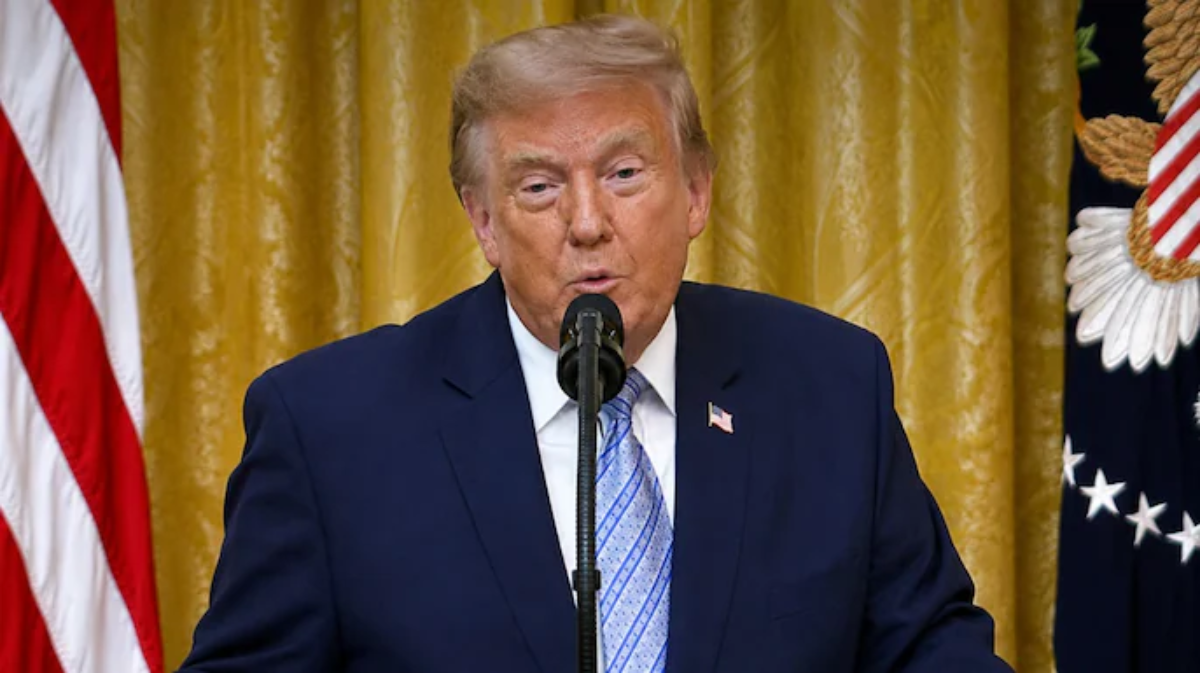
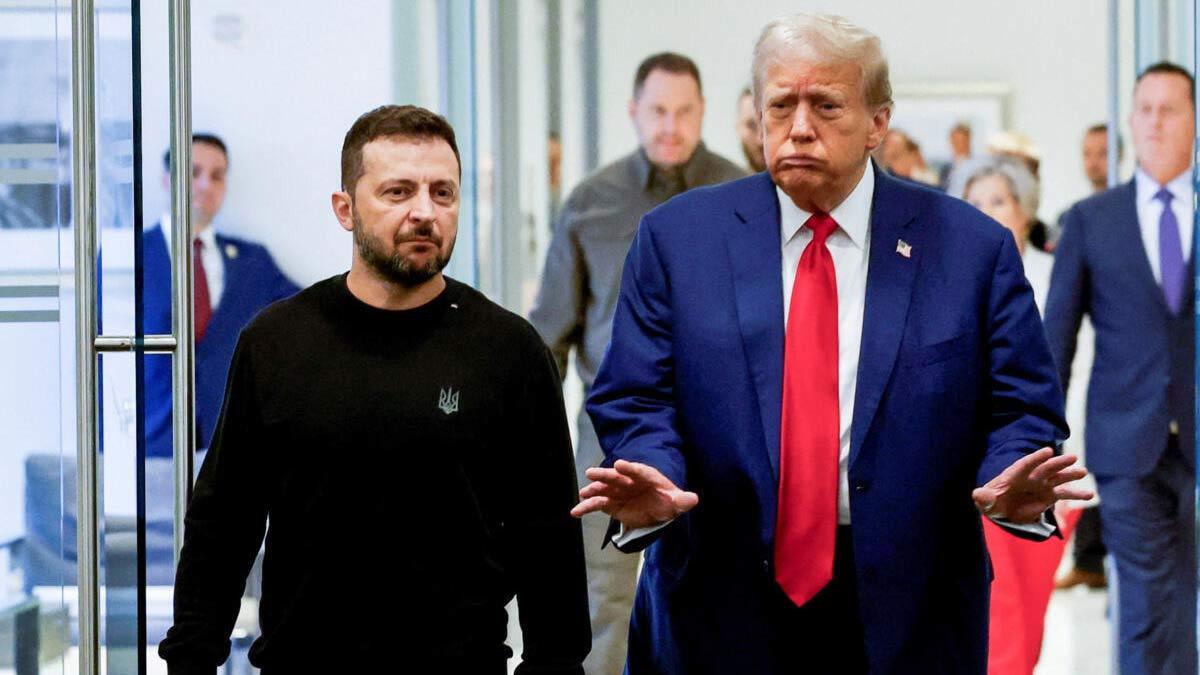


US President Donald Trump on Monday again attacked the European Union, calling on them to "stop purchasing oil from Russia" as tensions in Ukraine continue.
Speaking to the press, Trump underscored that Ukraine President Volodymyr Zelenskyy must negotiate a peace deal with his Russian counterpart Vladimir Putin.
"Zelensky's gonna have to make a deal. And Europe has to stop buying oil from Russia," Trump said.
This follows one day after Trump voiced his objections to European countries continuing to buy Russian oil, attacking their sanctions as "not tough enough.
Talking more, Trump reiterated his previous fears about the war in Ukraine and his readiness to broker a peace agreement between Moscow and Kyiv.
He said, "Europe is buying oil from Russia. I don’t want them to buy oil -- and the sanctions that they’re putting on are not tough enough. I’m willing to do sanctions, but they’re going to have to toughen up their sanctions commensurate with what I’m doing."
Trump’s remarks follow his imposition of 25 percent reciprocal tariffs on India, plus an additional 25 percent for Delhi’s purchases of Russian oil. India had previously described the tariffs as “unjustified and unreasonable.”
“Like any major economy, India will take all necessary measures to safeguard its national interests and economic security,” India had said.
Furthermore, Trump urged NATO allies to impose 50 to 100 percent sanctions on China, accusing the Chinese government of financially backing Russia and boosting military capacity in the conflict in Ukraine.
China replied in an indirect manner. Foreign Minister Wang Yi said China is dedicated to "advancing peace negotiations to settle hotspot issues" and reiterates that "wars cannot solve issues and sanctions would only make them more complicated." He explained that China "takes no part in or instigates wars" and reasserted dialogue while urging greater cooperation with Europe. Wang said this in a meeting with Slovenian counterpart Tanja Fajon.
Significantly, in this newest round of comments, Trump did not mention India in his criticism, which indicates possible progress in Washington-New Delhi talks over a stand-alone agreement.