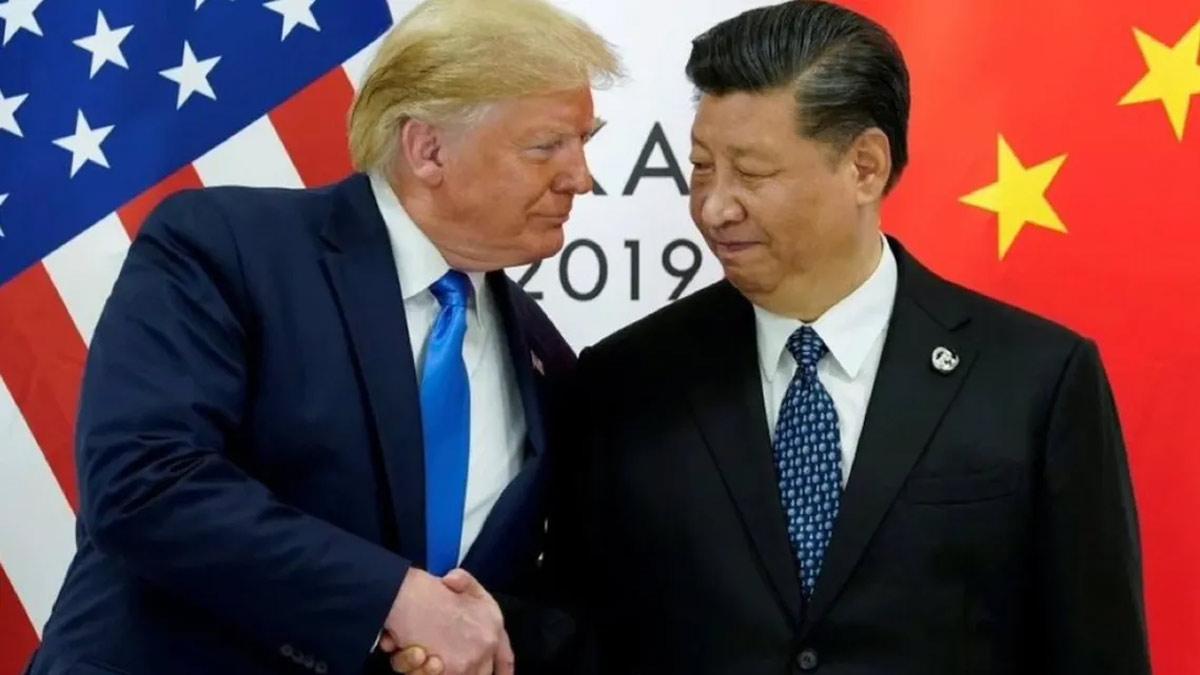


Speculation mounts that the first day of US-China trade talks in Madrid on September 14 would witness a sharp confrontation of strategies, with TikTok and US soybeans being the new flashpoints in the years-long economic competition.
Bloomberg and Hong Kong's South China Morning Post (SCMP) reports indicate that these two concerns have emerged as new bargaining chips, joining existing disagreements over two-way tariffs, limits on advanced US semiconductor technology used to develop AI, and Chinese restrictions on the export of rare earths.
Washington has pushed on with calling for TikTok's forced sale, but Beijing has brought up the issue of US soybean imports—currently in full harvest season—as leverage.
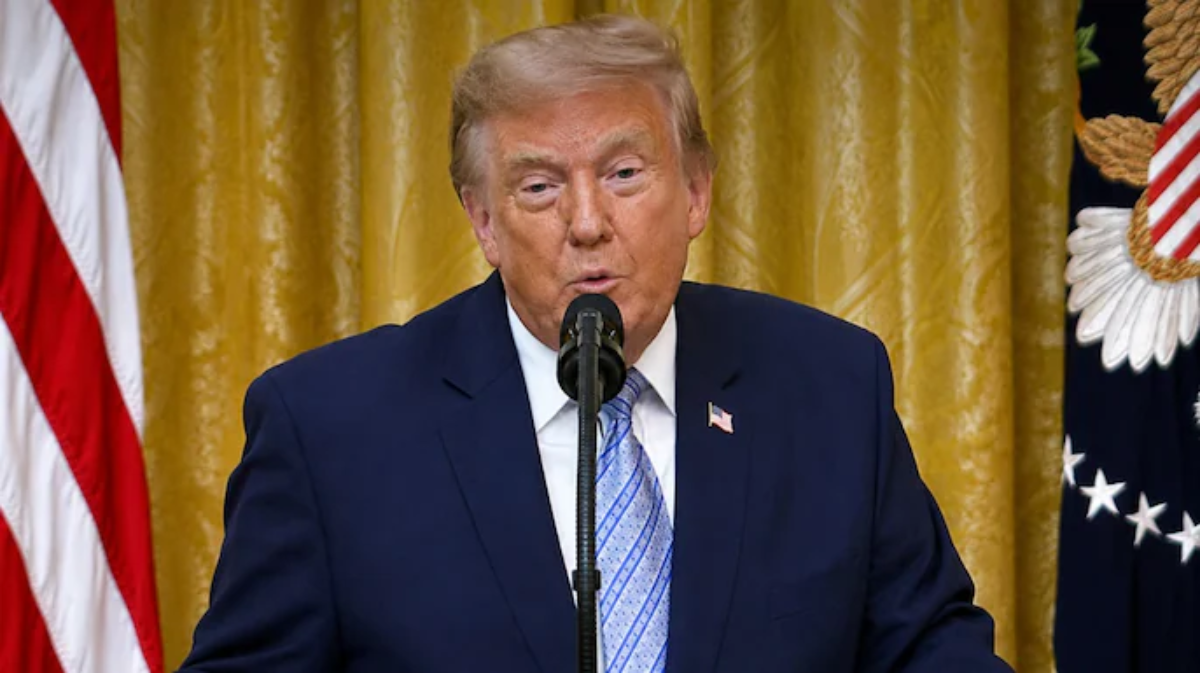
Experts say any resolution of this growing trade dispute will depend ultimately on a meeting between US President Donald Trump and Chinese President Xi Jinping. Trump is said to be visiting China sometime near the Asia-Pacific Economic Cooperation (APEC) forum in Gyeongju, South Korea, on October 31 to November 1, and both sides are now preparing their agendas accordingly.
China joined the negotiations after demonstrating its "anti-US, non-US big tent" diplomacy with recent high-profile appearances: the Shanghai Cooperation Organization (SCO) Tianjin Summit hosted by Indian Prime Minister Narendra Modi, as well as a military parade commemorating the 80th anniversary that involved Russian President Vladimir Putin and North Korea's Kim Jong Un.
Earlier, on September 9, US Secretary of Defense Pete Hegseth and Chinese Defense Minister Dong Jun engaged in a video conference, and on September 10, there was a call between US Secretary of State Marco Rubio and China's chief diplomat Wang Yi.
The initial day of talks in Madrid took six hours, with the US side represented by Treasury Secretary Scott Besant and Trade Representative Jamieson Greer, and China represented by Vice Premier He Lifeng. According to Bloomberg, the Chinese delegation intends to stay in Spain up to September 17, and another round of talks will take place on the 15th.
Diplomatic onlookers expect a US-China summit prior to November 10—the last date of the 90-day ceasefire in the tariff war revived by Trump's August 11 executive order.
The Trump administration has long considered China's ByteDance-owned TikTok a national security threat. The app, enormously popular among US youth since 2019, has come under fire because of worries over data privacy and possible links to the Chinese Communist Party. Although Trump has called for an outright ban since his initial term, opponents have been sounding alarms regarding potential free speech rights abuses in the US Constitution.
In order to meet these concerns, Washington enacted the "TikTok Forced Divestment Act." There have already been three extensions granted by Trump for TikTok to divest its US operations, with the last deadline having run out on September 17. According to Yonhap, the administration is leveraging the ongoing trade negotiations to push China to make TikTok leave of its own accord.
Beijing has pushed back strongly, threatening legal action and condemning the move as discriminatory treatment of Chinese businesses and an encroachment of sovereignty. Authorities have also indicated willingness to shut down TikTok operations in the United States if pressure continues.
Meanwhile, China has employed the soybean matter as leverage. On September 15, the Global Times carried an editorial highlighting that "American soybean farmers are missing out on the chance to sell billions of dollars worth of soybeans despite the arrival of the harvest season," cautioning that "this is the negative consequence of the US trade war with China."
The editorial cited widespread fear among US farmers who are subjected to the prospect of reaping without verified purchase orders by China. Trump himself called on Beijing last month to double its soybean orders, but China has as yet refused a clear reply.
Statistics from China's General Administration of Customs indicate that from January to July, soybean imports stood at 61.03 million tons—70 percent from Brazil and slightly more than 25 percent from the United States. China, once America's leading purchaser, has changed its sources because of tariff disagreements, and this has led to rumors that Beijing is now "weaponizing soybeans.
Aside from farm trade, tariffs are the main issue. Trump's tough stance earlier elicited tit-for-tat tariffs that reached triple digits, although two 90-day temporary ceasefires brought some reprieve. After Trump issued his August 11 executive order, both nations still impose tariffs of 30 percent and 10 percent respectively as negotiations continue.
China has also tried to exert pressure through the control of rare earth exports, placing bans on seven of the 17 elements vital to US industries in April. In exchange for opening up those bans, Beijing was granted licenses for Nvidia's H20 AI chips. Because China controls the rare earth supply chain, its willingness to flex that muscle as leverage still exists.
Although the Madrid summit is concerned with economic matters, controversial topics like the South China Sea and Taiwan won't be addressed in depth. Future negotiations on these will still go on through diplomatic and defense levels. Nevertheless, specialists do not believe that the US and China can overcome their sharp differences, particularly with Washington's determination on "freedom of navigation" in the South China Sea and resistance to Beijing's intentions to forcefully unify Taiwan.
Read also| Trump Warns of 50–100% Tariffs on China, Urges NATO to Halt Russian Oil Purchases