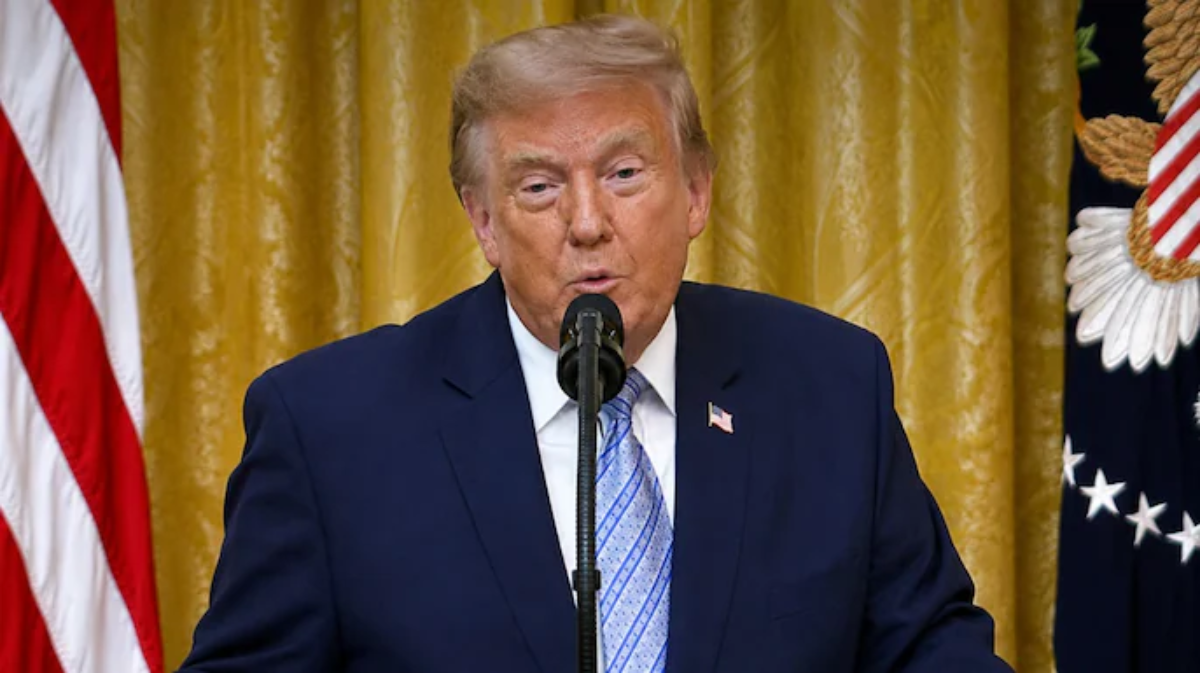
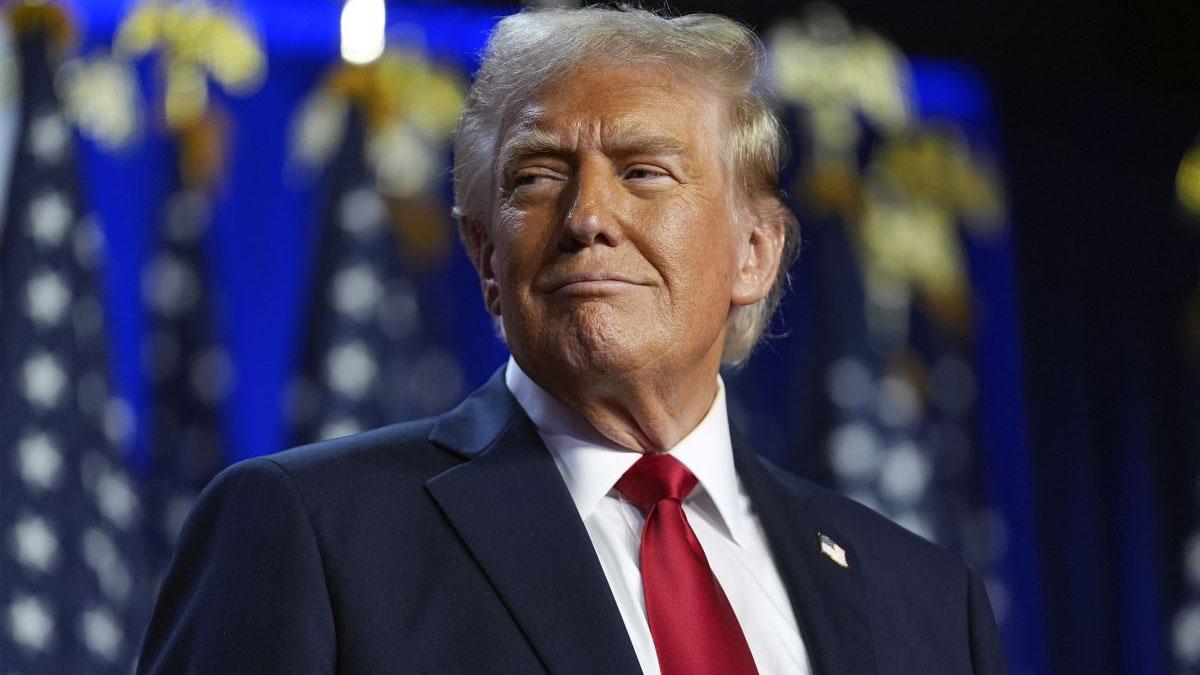


US President Donald Trump indicated on Tuesday that he will withhold any final decision on imposing punitive tariffs against nations purchasing Russian oil—India being a key example—until after a critical meeting takes place between his envoy Steve Witkoff and Russian officials in Moscow.
Speaking to reporters Tuesday afternoon, Trump said, “We have a meeting with Russia tomorrow. We’re going to see what happens, we’ll make that determination, at that time.”
Earlier in the day, the US President had threatened to impose steep tariffs on India within 24 hours, but subsequently seemed to backtrack on the urgency of that threat. In his later remarks, he implied that developments in the negotiations to bring an end to the war in Ukraine might have an influence on his next move.
When reminded by a reporter of his earlier statement threatening a 100% tariff on nations importing Russian oil, Trump responded, “I never said a percentage, but we’ll be doing quite a bit of that.” However, during a public address on July 14, he had clearly stated that if no peace agreement was reached within 50 days, secondary sanctions—targeting those who purchase Russian oil—would be raised to “100 per cent.” Since then, he has shortened that deadline to just 12 days, which expires this week.
In an interview with CNBC on Tuesday, Trump asserted that India had agreed to eliminate all tariffs on American imports. "India went from the highest tariffs ever (to) they will give us zero tariffs, and they can go in," he declared, adding, "But that's not good enough because of what they're doing with oil, not good." He went on to say he would impose new punitive tariffs in addition to the 25% announced last week.
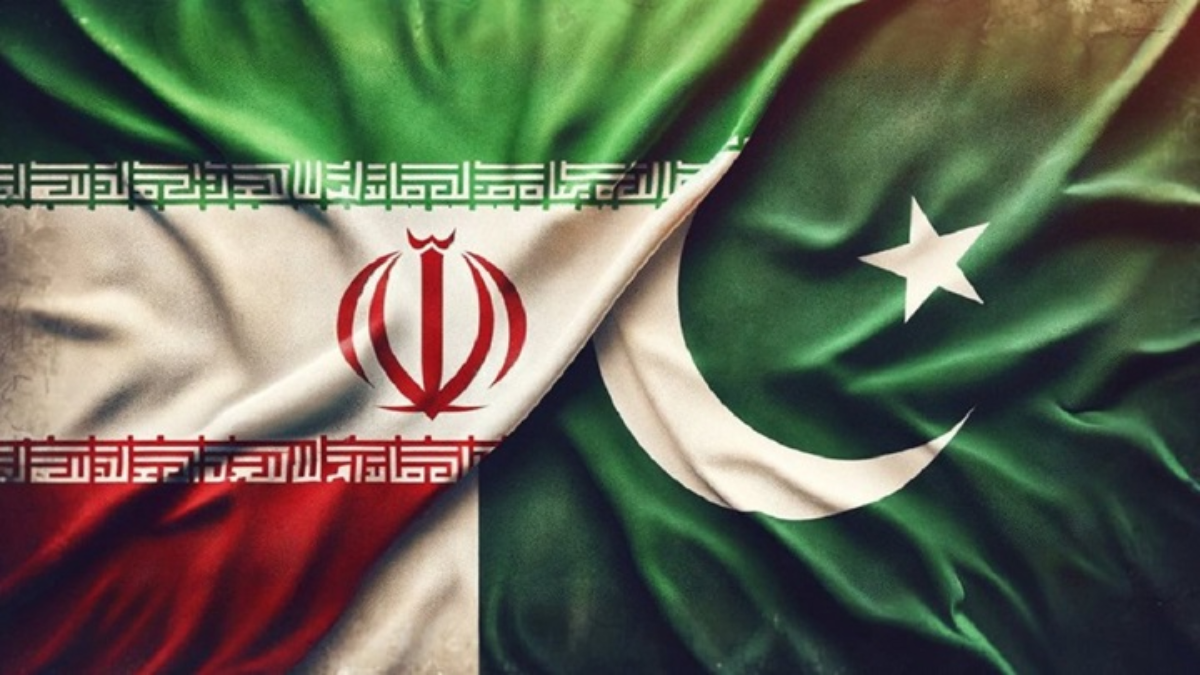
Trump, who was speaking to the media after signing an executive order to create a task force for the Los Angeles Olympics in 2028, reaffirmed his campaign promise of ending five foreign wars during his previous presidency. "I stopped within a matter of days, nearly all of them, including India and Pakistan," he told the media, hoping the war in Ukraine would be number six.
Ending the war in Ukraine has been a recurring vow during his re-election campaign. Trump himself earlier promised that he would end the war in 24 hours if he was elected. But he is said to be frustrated with Russian President Vladimir Putin's firm hand, which he believes is an obstacle to a speedy resolution. His strategy at one point included pressuring Ukrainian President Volodymyr Zelensky into negotiations.
Against this backdrop of diplomatic tensions, India is stuck in the middle. Trump is trying to ratchet up economic pressure on Russia by browbeating nations such as India, which is now purchasing nearly 70% of its crude oil exports.
Originally named Special Presidential Envoy for the Middle East, Steve Witkoff is now being charged with meeting directly with President Putin to discuss bringing the war to a peaceful conclusion. His latest mission to Moscow is being viewed as an ultimate and final attempt before the imposition of more severe sanctions—not only against Russia, but also against countries still buying its oil.
By coincidence, India's National Security Adviser Ajit Doval is also in Moscow for previously scheduled meetings with Russian officials, not related to Trump's tariff threats but now under international criticism for timing.
While the US and the European Union both have economic relationships with Russia, and even countries like China and Turkey continue to buy Russian oil, Trump has targeted India for his attacks. Trump has blamed New Delhi for indirectly funding Russia's military campaigns by buying oil and then selling refined petroleum products in foreign markets at a premium.
India has flatly denied all such claims. New Delhi called Trump's position "unjustified and unreasonable," according to a statement issued by the Ministry of External Affairs. The statement further pointed out that US and EU trade with Russia remains significant. It also said US still imports items like uranium hexafluoride for nuclear energy, palladium for electric vehicles, fertilizers and industrial chemicals.
The EU's trade with Russia totaled $67.5 billion in the previous year, the ministry indicated, once again emphasizing the one-sidedness of singling out India.