

The Atlantic shore appears to be experiencing an undercurrent diplomatic shift, which suggests increasing distances between European countries and the United States.
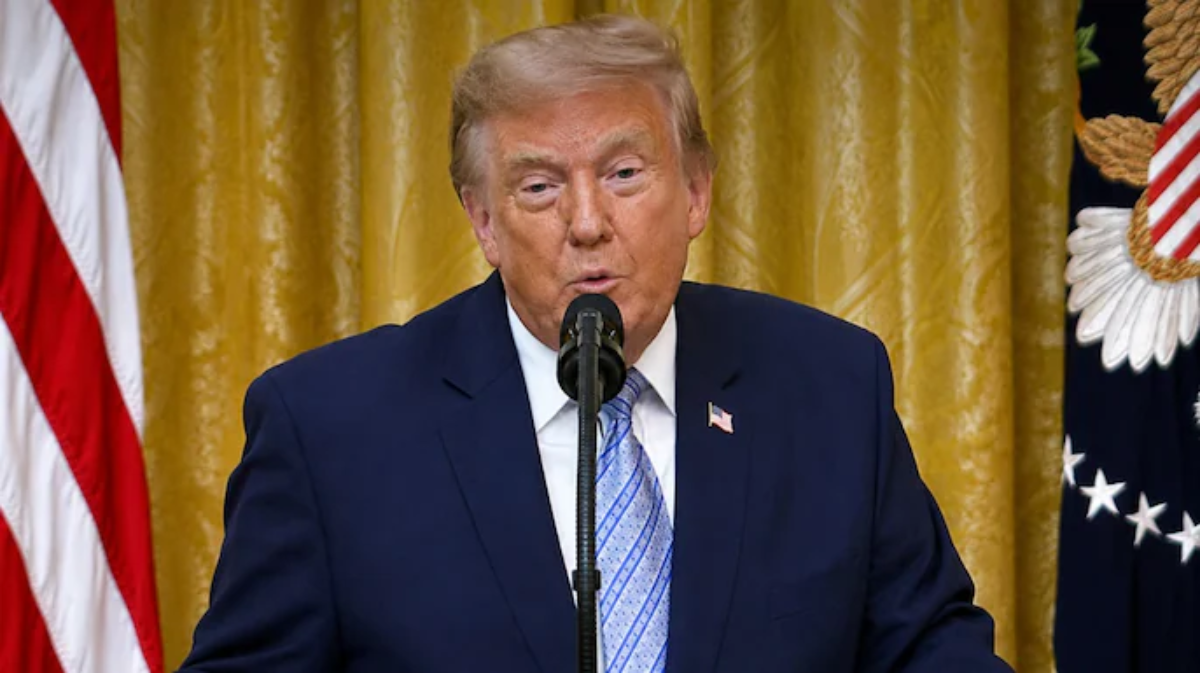
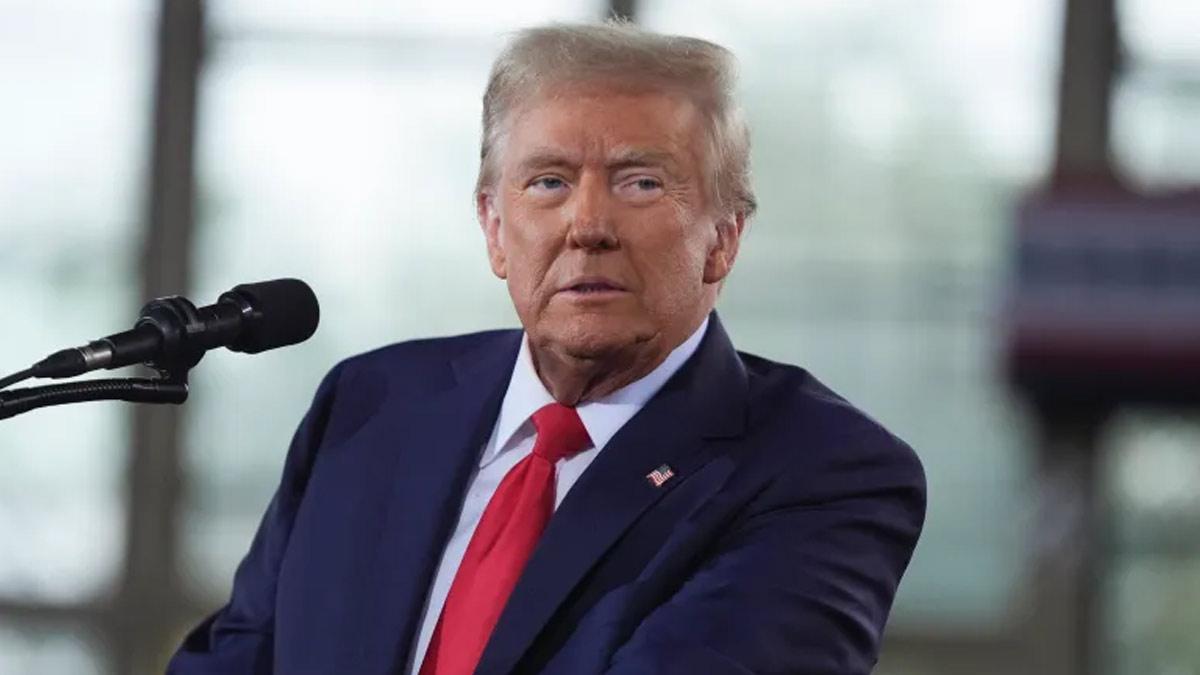
The harsh comment by US President Donald J. Trump to Europe, "Your countries are going to hell," while presenting at the 80th United Nations General Assembly (UNGA) session on Tuesday, September 23, obviously indicates his irritation with European leaders.
In his remarks, he had accused the NATO nations of essentially "funding the war against themselves" for failing to cut off Russian energy supplies.
Such moves like France and the United Kingdom granting recognition to the state of Palestine, Germany and other European nations welcoming refugees, or adopting green energy policies have all acted to irritate him.
Although there had been previous reports in a bid to drastically cut down on funding, Trump did not really cut back significantly on NATO funding.
At the June 2025 NATO summit in The Hague, the United States managed to persuade almost all European allies to increase defense spending targets from the long-standing 2 per cent of GDP to 5 per cent by 2035.
Later reports hailed this as a "diplomatic masterstroke" and a "historic moment."
Relations across the Atlantic have tended to reflect the waters in between — sometimes stormy, but sometimes placid.
It was the Italian explorer Christopher Columbus who initially arrived in the Americas in 1492, although France initially tried to establish a presence there, and later Britain colonized the land with settlements over a century later.
On the 4th of July 1776, the 13 American colonies declared the Declaration of Independence, actually severing political connections with Great Britain.
For centuries, the Atlantic has been a silent witness to all this.
But it was the American military aid — aircraft and vessels — that freed large parts of Europe from the Nazis in the 20th century.
The Cold War brought the establishment of NATO and it remains active today, now helping non-member Ukraine from adjacent positions in its war with Russia.
Trump's deployment of "reciprocal tariff" policies, though, was not received well by NATO allies, who also see the US as having a love-hate relationship with Russia.
All that being said, Trump's denunciation of nations dependent on Moscow for energy while providing military aid to Ukraine is fair.
In the face of sweeping tariff reforms, Trump just got a ceremonial welcome in Britain but voiced his frank view of the UK from the UNGA rostrum soon after his visit.
Times are still uncertain and turbulent. The Atlantic is charting stormy waters but has weathered such and even worse storms before, as history indicates.