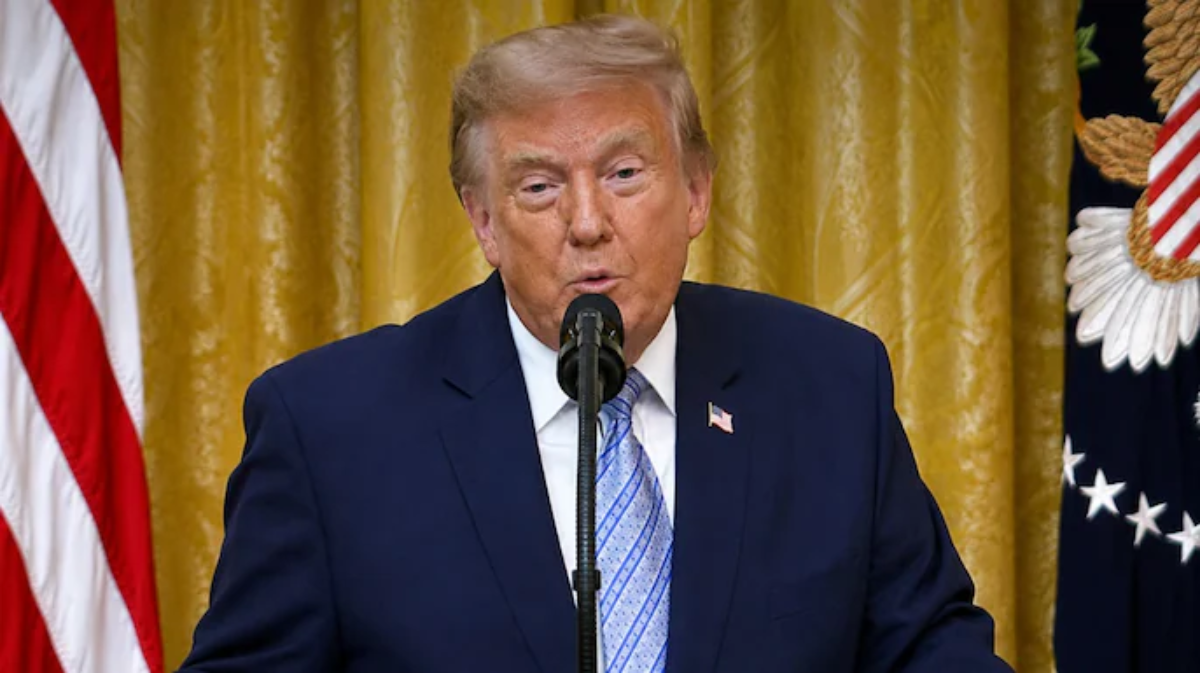
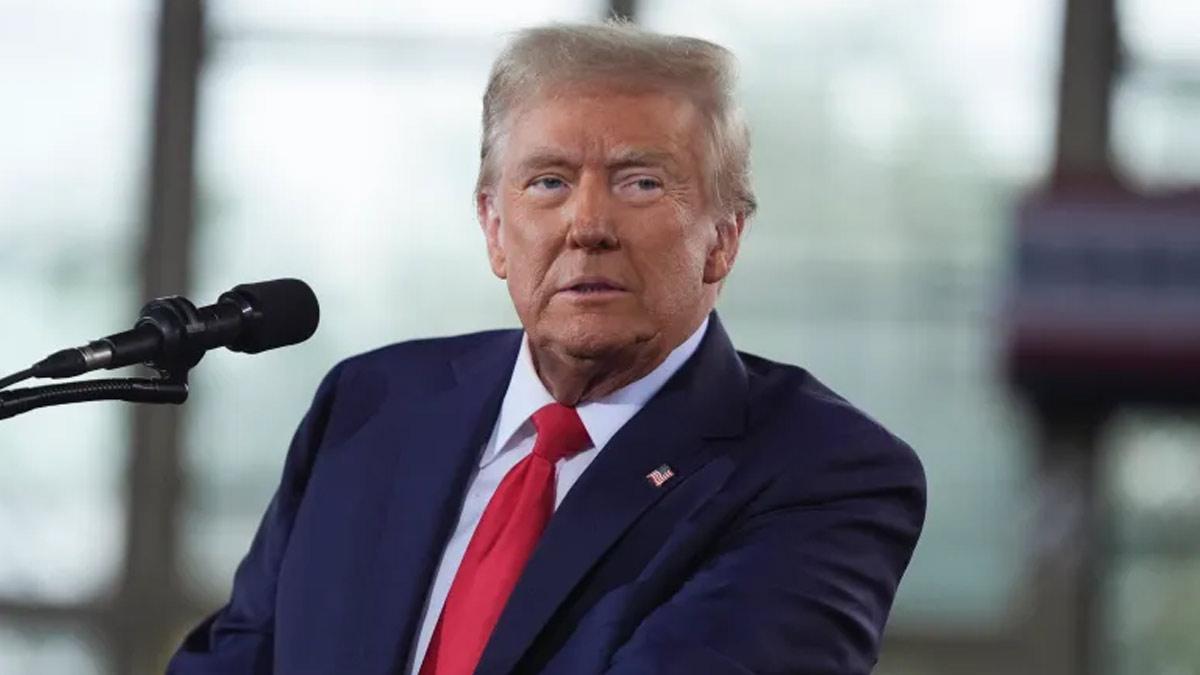


A report by the International Centre for Peace Studies (ICPS) has cautioned that the policies of the erstwhile US President Donald Trump toward India — along with his consistent encomiums for Pakistan — gravely stretched Washington-New Delhi relations, eroding more than two decades of painstakingly built trust.
The research contended that Trump's strategy transcended economic disagreements like tariffs, observing that he "repeatedly and deliberately" tested India's fundamental national security interests, and especially on the highly sensitive Kashmir issue. This, it added, hit at the core of a relationship once characterized as a "defining partnership of the 21st century.
The report says that each of the successive US governments from Bill Clinton's second term up to George W. Bush and Barack Obama had labored to establish strategic trust with India, being deferential to its "red lines" on Kashmir and not doing anything that could encourage Pakistan. Trump's presidency, by contrast, was characterized by public admiration for Pakistan, greater outreach to its military leadership, and actions that undermined India's regional credibility and global campaign against cross-border terrorism.
The report also highlighted a disturbing trend — Pakistan Army Chief General Asim Munir leveraging US territory to threaten nuclear war with India, labeling Pakistan as a nuclear power willing to "take half the world down with us." Such threat mongering, the ICPS cautioned, reflected both Islamabad's aggressive intent and the strategic guarantee it seemed to derive from Washington's stance under Trump.
Citing a top Indian diplomat, the research stated Trump's actions "undermined two decades of bilateral trust," pushing the relationship back to the Cold War–era paranoia and strategic distance.
In a geopolitical turn, the report stated Beijing has gone relatively soft against New Delhi in recent months, even criticizing US tariffs on Indian products. The Chinese Ministry of Foreign Affairs, echoed by state media, blamed Washington for bullying and welcomed India as a regional player. The *Global Times* emphasized common China–India interests in trade, counterterror, and cultural exchanges, presenting closer bilateral relations as good for the broader region.
The ICPS concluded by warning Washington that weakening India ultimately undermines US strategic presence in the Indo-Pacific and reinforces its foes. All significant US policy documents, it pointed out, acknowledge India's central role in countering China's influence within the region.
Read also| US Marks Pakistan’s Independence Day, Praises Counterterrorism Cooperation
Read also| Watch| ‘BrahMos Hai Hamare Paas’: Asaduddin Owaisi Responds to Pak PM’s Threat