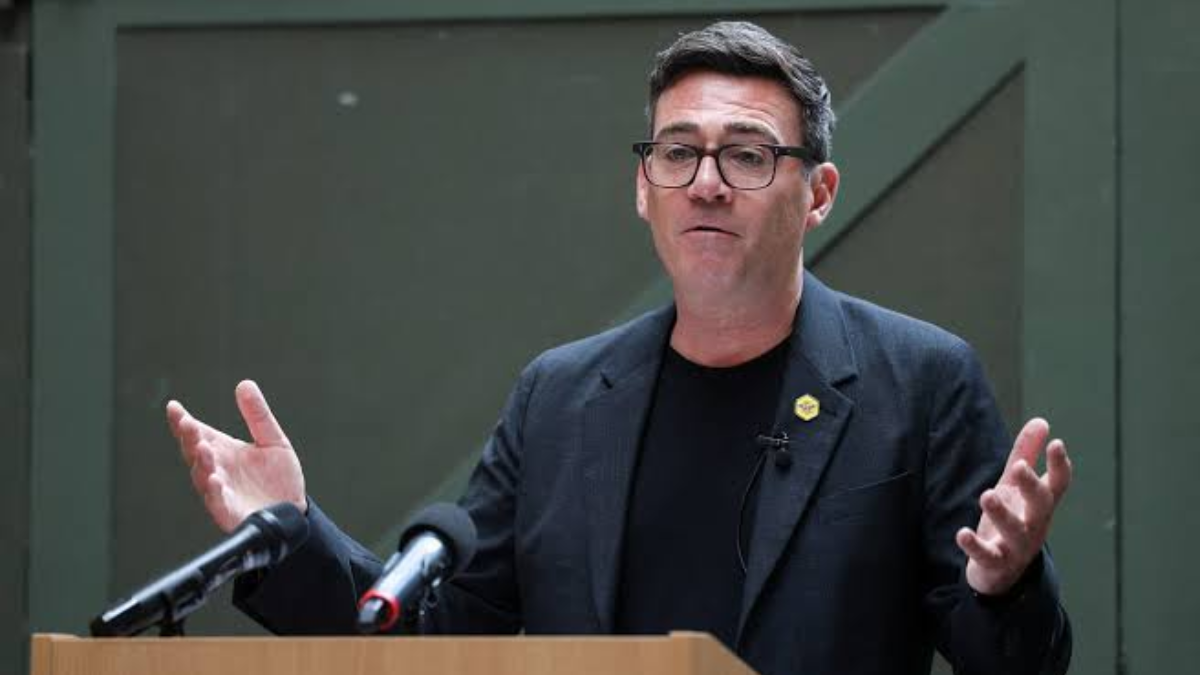


Britain’s Labour Party is set to formally confirm veteran politician Andy Burnham as its new leader on Friday, paving the way for him to become the country’s next prime minister.
With the centre-left party holding a commanding majority in Parliament, the 56-year-old is expected to take over from Keir Starmer at 10 Downing Street on Monday, just four weeks after making a dramatic return to the House of Commons following a nine-year absence.
Burnham’s appointment would make him the seventh British prime minister in a decade, highlighting the growing tendency among lawmakers to replace their own leaders when parties face mounting political challenges.
Known as the “King of the North” after securing three consecutive victories as Greater Manchester mayor, Burnham entered the leadership contest unopposed. This marks his third attempt at becoming Labour leader, following unsuccessful campaigns in 2010 and 2015, when he lost to Ed Miliband and Jeremy Corbyn respectively.
A former MP between 2001 and 2017 and a government minister, Burnham has since transformed his public image, presenting himself as a more accessible political figure with a relaxed style and a strong presence on social media.
Labour MPs believe Burnham can connect with voters more effectively than Starmer and are hoping he will adopt a more ambitious approach towards rebuilding public services and boosting economic growth.
"We've got to give people a lift, haven't we? We've got to give people a stronger sense of hope and a feeling that the country's on the way back," Burnham said during a podcast appearance with former footballer Gary Lineker on Wednesday.
The party is also relying on Burnham to counter the growing influence of Nigel Farage’s anti-immigration Reform UK, which opinion polls suggest could perform strongly in the next general election, expected in 2029.
Starmer led Labour back into government after 14 years in opposition with a landslide victory over the Conservatives in July 2024. The Conservative Party had gone through four leaders in five years before that defeat.
However, Starmer’s time in office soon faced difficulties, with criticism over domestic policy decisions and controversies including the appointment of Peter Mandelson, a former associate of Jeffrey Epstein, as ambassador to Washington.
Poor results in local and regional elections in May intensified pressure on Starmer. The situation became untenable after Burnham won a parliamentary by-election on June 18, allowing him to contest for the Labour leadership.
A large number of Labour MPs subsequently withdrew their support for Starmer, and he announced his resignation on June 22.
Later the same day, Burnham received a strong show of support from dozens of Labour lawmakers as he returned to Parliament and was sworn in, signalling their preference for him as Starmer’s successor.
Burnham, often seen wearing his trademark dark T-shirt and casual jacket, has received backing from 379 of Labour’s 403 MPs. No rival candidate secured the 81 nominations needed to challenge him.
The politician, who belongs to Labour’s so-called soft left wing, said he was "deeply grateful" for the support he received across different sections of the party.
"That is the circuit breaker I am offering: power out of Westminster, an economy rewired for ordinary people, and good growth in every postcode."
One of Burnham’s central proposals is to transfer more powers away from Westminster and establish a “No. 10 North” office in Manchester, aimed at ensuring regions outside London receive greater attention.
However, he will inherit many of the same challenges that confronted Starmer, including weak economic growth, expensive government borrowing and the continued arrival of migrants in small boats, an issue that has strengthened support for Reform UK.
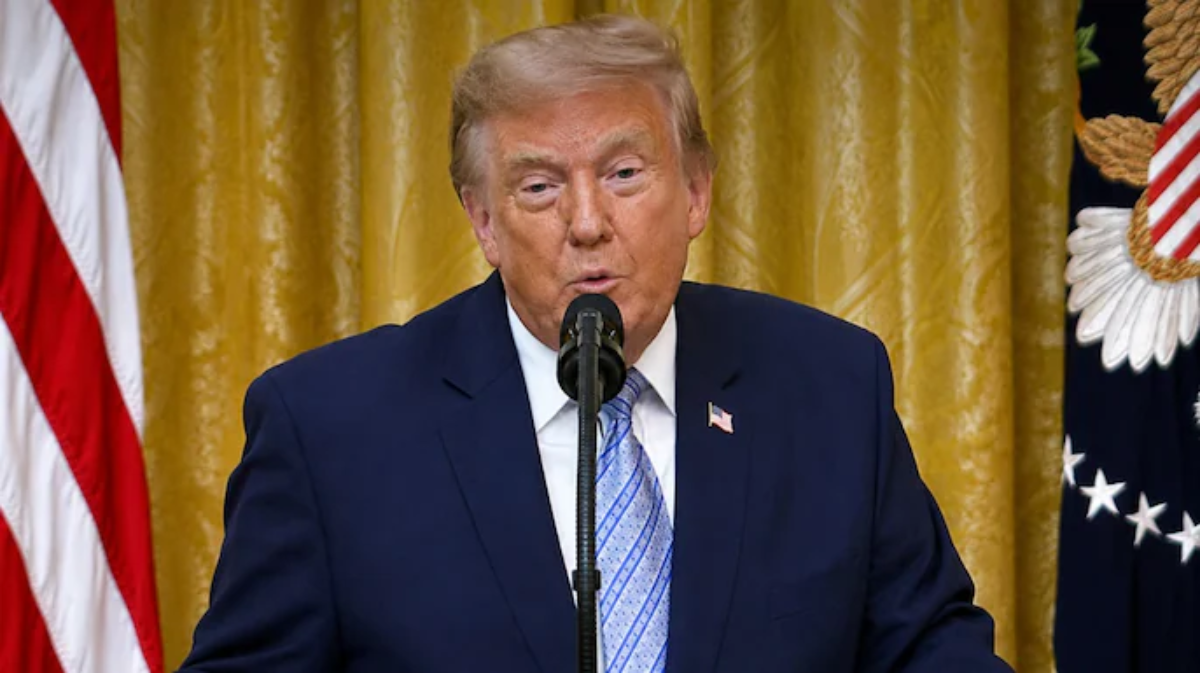
His premiership could also face pressure from unstable energy prices linked to the US-Iran war and uncertainty surrounding US President Donald Trump.
Burnham, who will formally take office after meeting King Charles III, has promised to follow Labour’s 2024 election manifesto commitment not to increase the country’s main taxes.
At the same time, he will need to identify new funding sources to address a £4.7 billion ($6.3 billion) shortfall over four years in the defence investment plan and handle the politically sensitive issue of welfare reform.
Also Read | Pak MP Challenges Asim Munir to Leave Army, Contest Elections