

The Trump administration on Friday reaffirmed that the "historic relationship" between India and the US is "consequential and far-reaching" even as it took punitive measures on trade concerns that rattled and eroded ties.
The positive message was delivered by the State Department on India's Independence Day. Though such messages are generally formulaic, Secretary of State Marco Rubio stated that the two nations are "united by our common vision for a more peaceful, prosperous, and secure Indo-Pacific region" and characterized the partnership as cutting across sectors, fostering innovation, driving the frontiers of critical and emerging technologies, and reaching out into space.
"United together, the United States and India will meet the challenges of this century and build a brighter future for our two nations," he stated.
The announcement, with its allusion to Indo-Pacific security and an expansive agenda, appeared to affirm the impression that the Trump White House's wide berth around China and its recent overtures to Pakistan are primarily tactical, and US-India relations are on firm ground.
Top Indian officials have indicated on background that the White House and remainder of the administration aren't in harmony because aside from the trade and tariff matter, all other areas are business as usual, including intimate coordination on vital security and mil-tech matters.
In addition to that, right in the middle of the trade war, India and US jointly carried out a space mission with ISRO and NASA, sending off their joint satellite NISAR (NASA-ISRO Synthetic Aperture Radar) on July 30 to track changes on Earth's land and ice surfaces and provide data for natural hazards and climate change understanding. Indian firms are also in line -- short of further gaffes -- to get from nVidia high-end Blackwell chips for AI that the US has been denied for China.
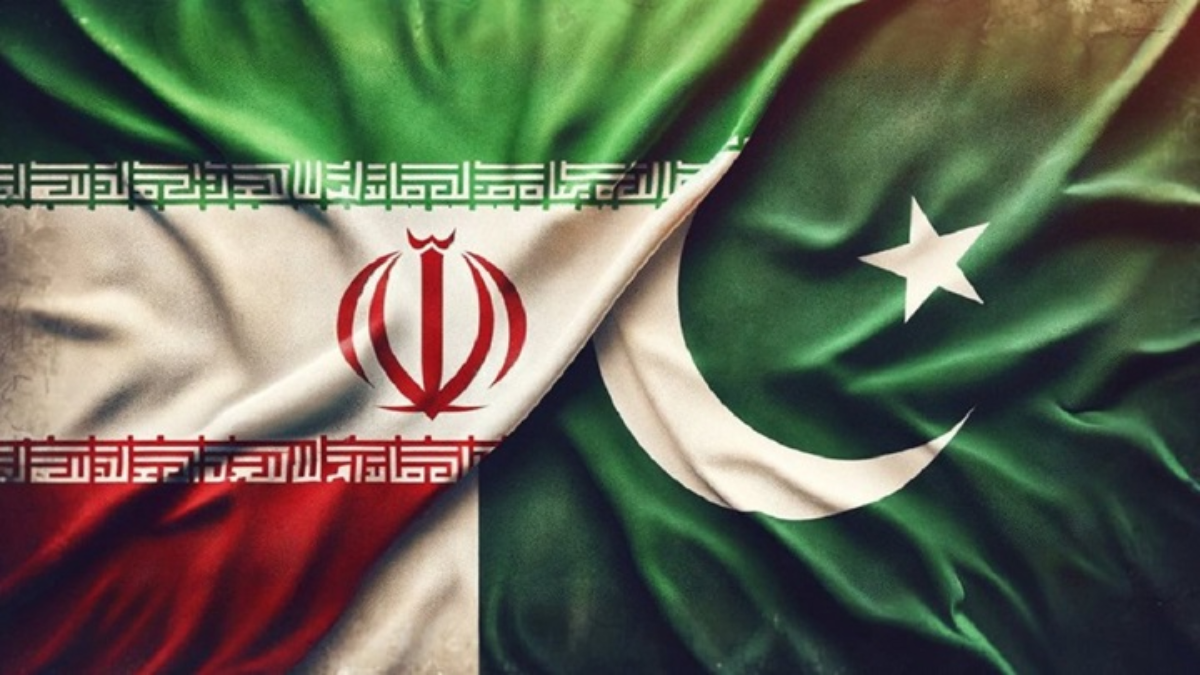
The State Department made a comparable announcement a day before on Pakistan's independence day but it was notably more limited in scope, concentrating on counterterrorism, trade, and taking advantage of Pakistan's alleged resources.
"The US greatly values Pakistan's cooperation in counterterrorism and trade. We eagerly anticipate new avenues of economic collaboration, such as critical minerals and hydrocarbons, and vibrant business relationships which will ensure a prosperous future for Americans and Pakistanis," the message added.
As per informed reports, the White House's strategic embrace of Islamabad is primarily motivated by American private business interests for tapping Pakistan's so-called natural resources, such as oil, gas, and minerals. A Trump family-owned company with connections to the "Pakistan Crypto Council" Islamabad mobilized suddenly is said to have ignited fresh passion in Trump White House for a nation that President once described as a terrorist haven.
Although the outreach was ostensibly designed to pull Pakistan out of the Chinese grip, another new rationale is that Washington requires Islamabad as a counter to Iran, the new US demon now that Afghanistan has fallen back into the dark ages.
But the American punditocracy is nearly unanimous in stating the White House action has severely harmed US-India relations, perhaps irreparably even as the State Department's optimistic message on Independence Day. "Even if Trump once again changes his mind, the harm is done. Indians perceive that the United States has revealed its true colors: its untrustworthiness, its readiness to behave towards its friends in an extremely rude manner. They will rightly think that, in order to hedge their bets, they must remain near Russia - and even patch things up with China," Fareed Zakaria, the host of CNN's GPS program said on Friday, complementing that the nation is "united in shock and anger at Trump's rude behavior."
Read also| Putin Extends I-Day Greetings, Highlights India’s ‘Well-Deserved’ Global Respect
Read also| Putin Commends India for Its ‘Rightful Influence’ on the World Stage