

Group of Seven (G7) finance ministers had a call on Friday to consider increasing economic pressure on Russia, including potential new sanctions and tariffs on nations viewed as "enabling" Moscow's war against Ukraine. The U.S. called on partners to single out countries that keep purchasing Russian oil.
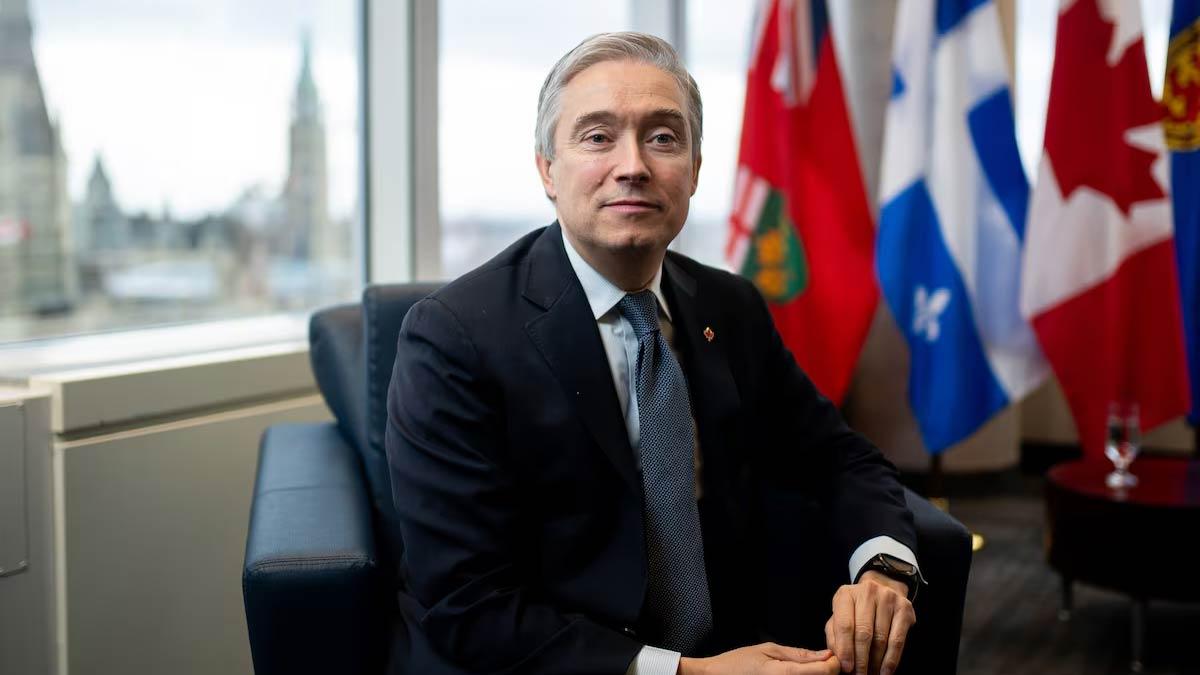
The session, which was chaired by Canadian Finance Minister Francois-Philippe Champagne, discussed measures aimed at ratcheting up pressure on Russia to put an end to its invasion, as per a release from Canada, which is currently presiding over the G7.
Ministers consented to speed up negotiations on the utilization of frozen Russian funds to assist in the funding of Ukraine's defense. They also considered "a wide range of potential economic measures to ratchet up pressure on Russia, including additional sanctions and trade measures, including tariffs, on those facilitating Russia's war effort," the statement said.
U.S. Treasury Secretary Scott Bessent urged his counterparts to join Washington's position by imposing tariffs on nations still buying Russian oil. Bessent and U.S. Trade Representative Jamieson Greer pointed out in a statement:
"Only with a unified effort that cuts off the revenues funding Putin's war machine at the source will we be able to apply sufficient economic pressure to end the senseless killing," Bessent and Greer said.
The two leaders embraced the pledges made through the call to tighten sanctions and to look into using immobilized Russian sovereign wealth for the benefit of Ukraine.
In the morning, an official at the U.S. Treasury had encouraged G7 and European Union allies to impose "meaningful tariffs" on Chinese and Indian imports to discourage them from continued oil imports from Russia.
President Donald Trump has already increased pressure on India by raising tariffs. He first slapped an additional 25% duty on Indian imports, bringing the total punitive tariff to 50%, in response to New Delhi’s continued imports of discounted Russian crude. The move has strained trade talks between the two democracies.
Yet Trump has avoided issuing new tariffs against China so far in spite of Beijing's oil commerce with Russia, as his government attempts to maintain a delicate trade ceasefire with the Chinese regime.
Simultaneously, Bessent will head to Madrid on Friday to have another round of talks with Chinese Vice Premier He Lifeng. On the table will be trade issues, Washington's call for TikTok to spin off its U.S. business, and anti-money laundering cooperation.
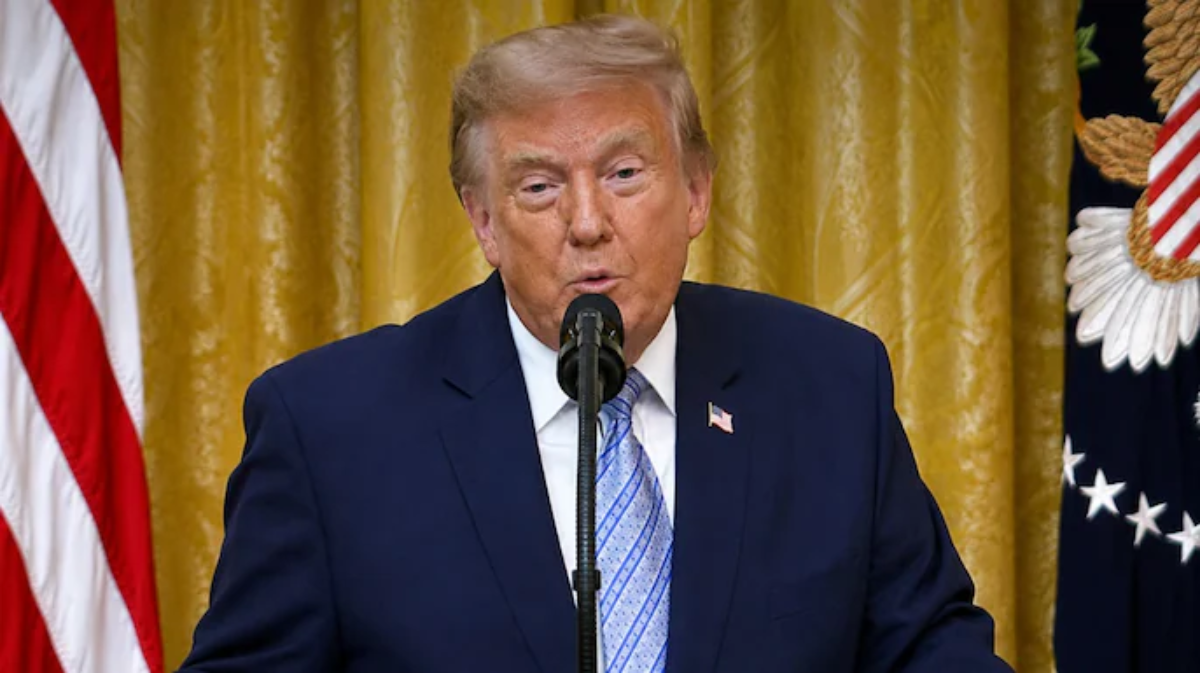
Separately in an interview with Fox News, Trump indicated increasing frustration with Russian President Vladimir Putin but did not announce new sanctions.
"Yea. It's running out and running out very quickly," Trump replied when asked how much more he can take of Putin. He expressed exasperation that Moscow has not acted to bring the war to a close, threatening increased force may be warranted.
"We're going to have to come down very, very strong," Trump declared, while saying sanctions against banks and oil were being considered, but while emphasizing European countries must also do their part.