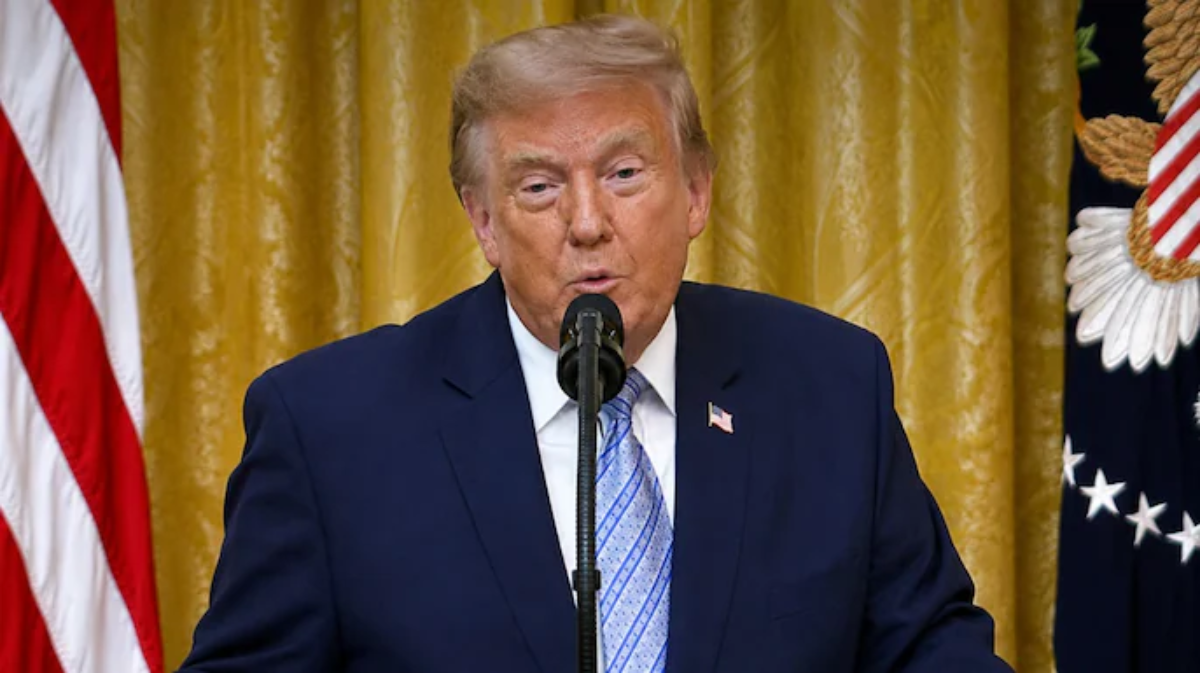
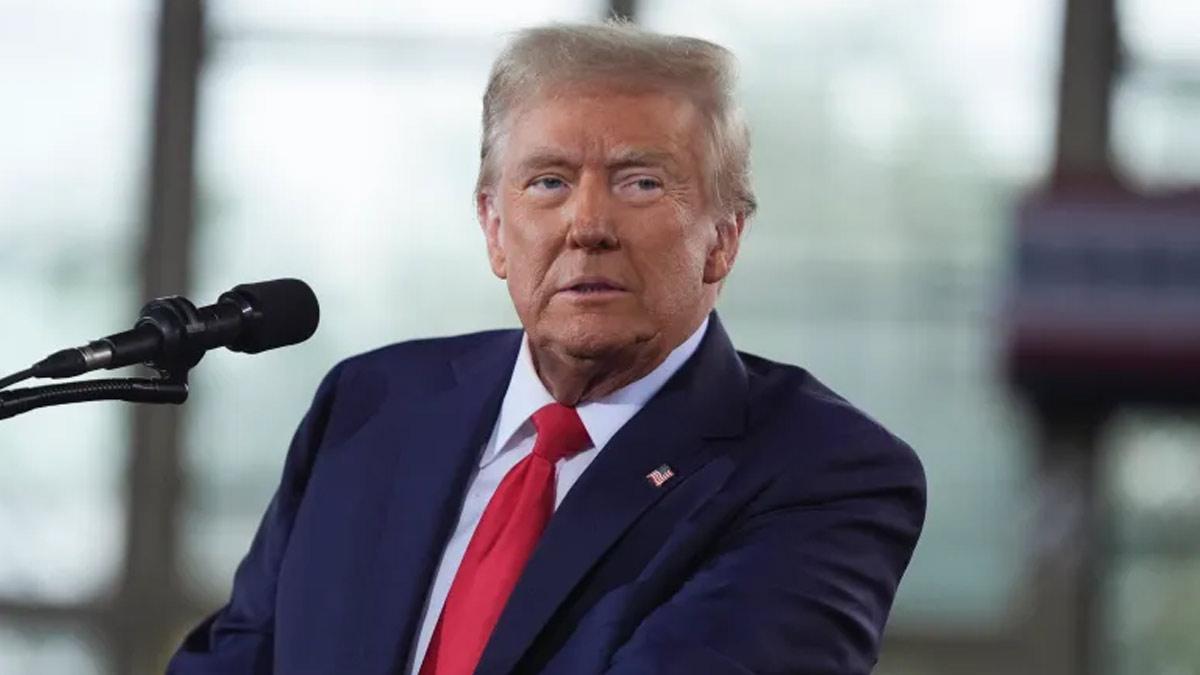


The White House released detailed explanations of President Donald Trump's H-1B visa reforms on Sunday. It explained that the $100,000 fee for the H-1B visa will be imposed only on new applicants in future lottery rounds and not be paid every year.
Immigration officials also made it clear that existing H-1B visa holders can travel abroad without the new fee to come back into the country — a complete reversal of the hard interpretation of Trump's executive order that had created mass confusion throughout the weekend.
These clarifications followed advisories from companies such as Microsoft and Amazon, which had urged H-1B employees to return to the US immediately before the order took effect on September 21, or to delay travel plans.
Indian airlines and travel agents reported record demand for last-minute US-bound flights, with prices spiking by 200%. Videos on social media captured people cancelling at least one international flight leaving American airports.
“The fear and confusion comes from the fact that the Proclamation does not list any other exceptions besides ‘national interest’,” said Henry Lindpere, senior counsel for immigration at Manifest Law. “Based on a strict reading of the language in the Proclamation, this restriction to entry applies to everyone trying to enter the US on an H-1B visa after the effective date.”
Lindpere also noted that the safest advice had been for people outside the US to come back home immediately — advice that was unnecessary after authorities explained the scope of the policy.
Confusion at the weekend was further added to by conflicting signals from the administration. Commerce Secretary Howard Lutnick had informed journalists on Friday that the $100,000 fee was going to be charged once a year and was going to be for visa renewals, statements since clarified by the White House, US Citizenship and Immigration Services, and Customs and Border Protection.
Saturday's clarification that H-1B visa holders did not need to urgently return was after many had already undertaken expensive emergency returns to the US.
The new visa regulations will be examined in 30 days from the next H-1B lottery and are broadly expected to be legally challenged.
“How long-lasting the Proclamation will prove to be will only become clear over time. There are almost certainly lawsuits being prepared already, and the legality of the Proclamation will be challenged in federal court very soon,” Lindpere said.
The policy aims to increase the cost of hiring foreign workers for US firms. H-1B visas, which are issued for three years and extendable for another three, are legally restricted to 65,000 per year with an additional 20,000 for those with advanced degrees. More than 70% of the approved H-1B visas are issued to Indian professionals and hence they are disproportionately hit by the hike in fees. Infosys and Tata Consultancy Services are some of the leading Indian sponsors of the program.
Since its inception in 1990, the H-1B visa route has allowed foreign professionals to work for American firms, establishing a talent pipeline that built much of Silicon Valley's skilled workforce. The Trump administration, though, argues that the program replaces American workers.
Read also| USCIS to Charge USD 100,000 for New H-1B Petitions Filed After September 21