

Planned for next week, Chinese President Xi Jinping will welcome more than 20 leaders from around the world at a regional security forum in China. This is a clear signal of the unity of the Global South in a world formed by Donald Trump. It will also give Russia, under sanctions, another win on the diplomatic front.
The Shanghai Cooperation Organisation (SCO) summit will, apart from Russian President Vladimir Putin, welcome leaders from Central Asia, the Middle East, South Asia, and Southeast Asia. The event is from August 31 to September 1 in the north-eastern port city Tianjin.
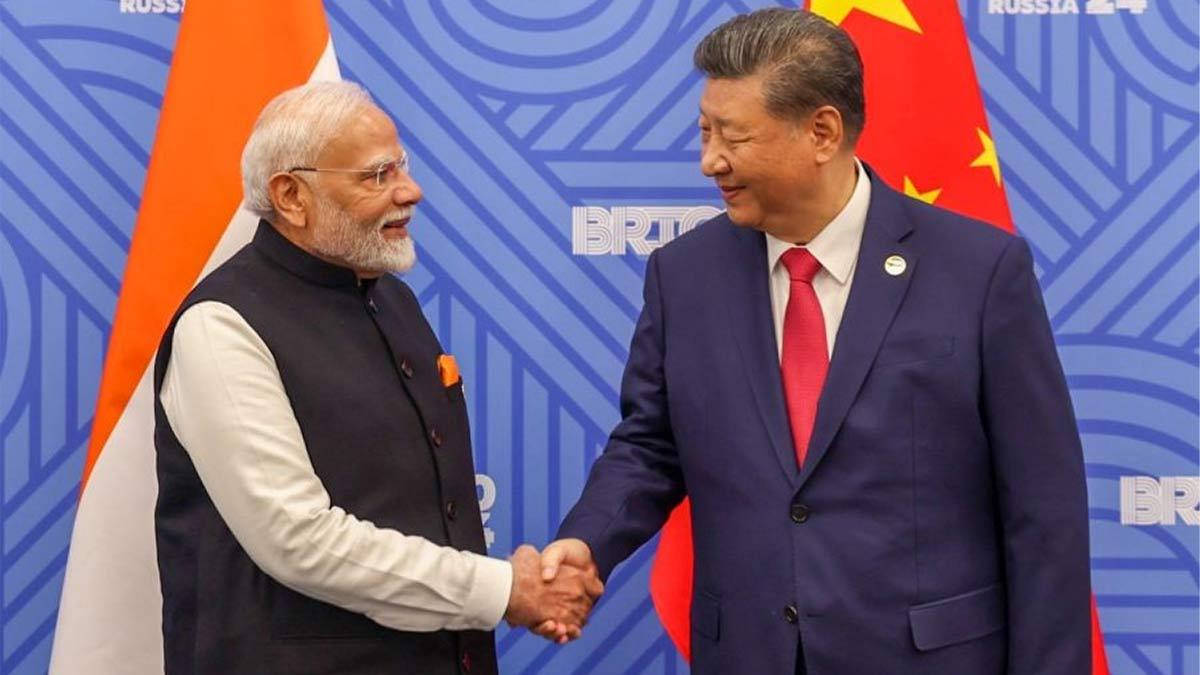
This trip will be Prime Minister Narendra Modi's first trip to China in more than a seven years and comes as the two countries try to damp down the tensions since the deadly border clashes of 2020.
The last time PM Modi was on the same platform as Xi and Putin was at the BRICS summit in Kazan, Russia last year, when most Western leaders were shunning the Russian president due to the Ukraine war. Down the line, Russian embassy officials spoke in New Delhi recently about how Moscow believes trilateral dialogue would be arranged with China and India.
"Xi will want to use the summit as an opportunity to showcase what a post-American-led international order begins to look like and that all White House efforts since January to counter China, Iran, Russia, and now India have not had the intended effect," said Eric Olander, editor-in-chief of The China-Global South Project, a research agency.
"Just look at how much BRICS has rattled (US President) Donald Trump, which is precisely what these groups are designed to do."
Initially created as an alliance of six Eurasian states, the security-focused bloc has developed over the years to comprise 10 permanent members and 16 observer or dialogue states. The priority of the bloc has also expanded from solely security and counter-terrorism to include economic cooperation as well as military cooperation.
Experts have noted that while several of the countries involved are looking to expand the bloc, it has the reputation of being ineffective at producing cooperative outcomes in the past. Analysts have also indicated that China places value in the image of Global South unity in opposition to the United States amidst uncertainty in policymaking and geopolitical instability.
"What is the precise vision that the SCO represents and its practical implementation are rather fuzzy. It is a platform that has increasing convening power, which helps in narrative projection," said Manoj Kewalramani, chairperson of the Indo-Pacific Research Programme at the Takshashila Institution thinktank in Bangalore.
"But the SCO's effectiveness in addressing substantial security issues remains very limited."
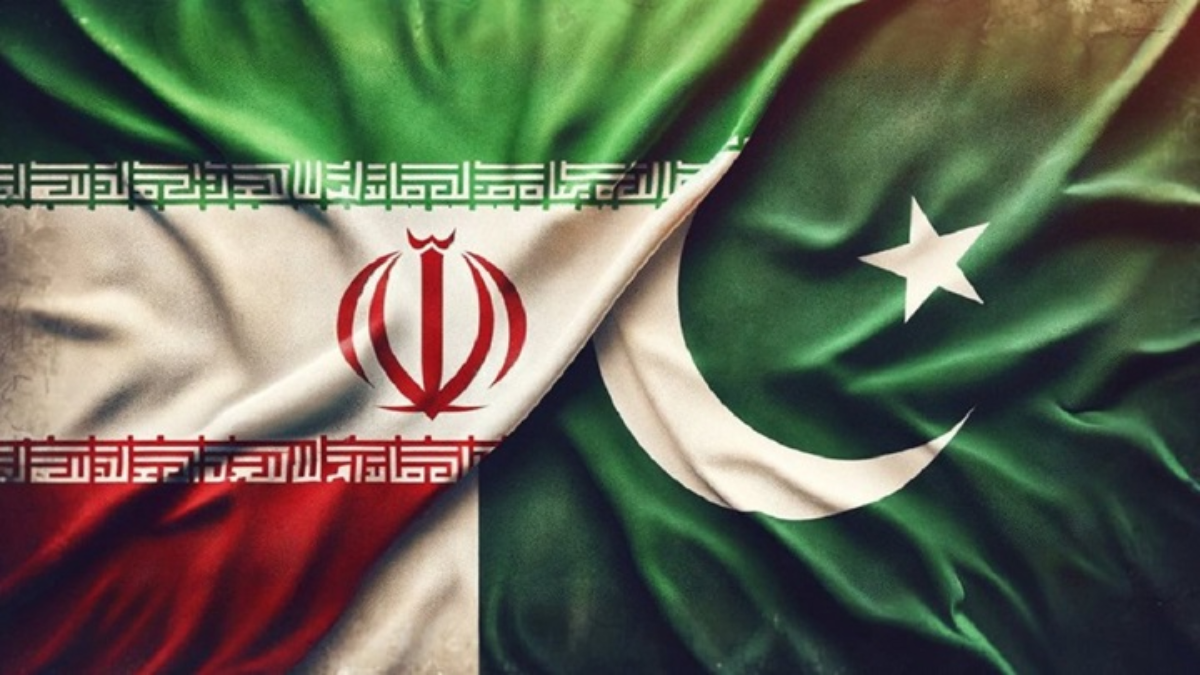
Tensions continue to be high between key players India and Pakistan. Delegates were unable to release a joint statement at the SCO defence ministers' meeting in June, due to India having raised objections, arguing it did not reference the deadly attack on Hindu tourists in Pahalgam, Jammu and Kashmir on April 22, that saw the most violent clashes between India and Pakistan in decades.
New Delhi also declined to comment on the SCO condemnation of Israeli strikes on Iran, a fellow member state, earlier in the same month.
Nonetheless, the waning of tensions between India and China, which had been heightened for five years following border disputes, in addition to resurgent tariff tensions on India from the Trump administration had the potential for some constructive interaction between President Xi and PM Modi on the margins of the summit.
"It's likely (New Delhi) will swallow their pride and put this year's SCO problems behind them in a bid to maintain momentum in the détente with China, which is a key Modi priority right now," said Olander.
Analysts predict both countries may announce further incremental border actions, including troop withdrawals, lessening trade and visa restrictions, new cooperative initiatives in emerging fields like climate, and enhanced government and people-to-people exchanges.
Although the summit is not expected to produce major policy decisions, experts warn that the bloc's power and authority, and status with Global South countries, should not be dismissed.
"This summit is about optics, really powerful optics," added Olander.
PM Modi is likely to leave China post-summit, while Putin is expected to linger for a World War 2 military parade in Beijing later in the week and for an unusually long period of time outside Russia.
Read also| US Issues Notice for Additional 25% Tariffs on India, PM Modi vows resilence